Autonomous USV Conquers World’s Busiest Strait
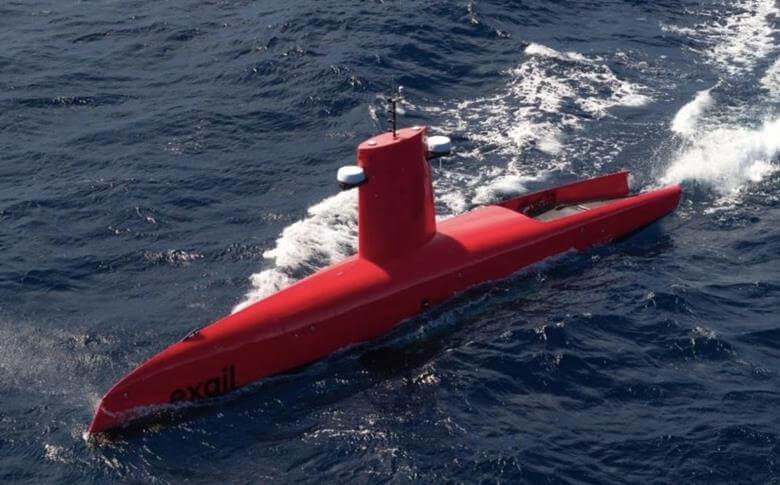
A major criticism leveled against autonomous vessels has been their inability to safely navigate heavily congested areas. However, an unmanned surface vessel (USV) just put that criticism to rest. Exail's DriX O-16—a 16-meter high-tech platform—completed a remarkable 1,100-mile voyage from La Ciotat, France, to Troia, Portugal, including a transit through the legendary Straits of Gibraltar.
Voyage Unsupervised
The USV’s six-day journey was undertaken to join a NATO exercise. What makes it a true milestone is that the entire trip was fully autonomous. Using advanced on-board decision-making algorithms, the vessel skillfully managed the dense traffic of the Straits of Gibraltar, one of the world’s most intense maritime passages.
Progress was monitored from Exail’s Remote Operating Centre (ROC) in France, but no human control was required. Operators confirmed that the mission brilliantly demonstrated the drone's endurance, situational awareness, and reliable judgment in a challenging environment. The USV arrived at its destination fully mission-capable and without needing any port calls.
Built For Endurance
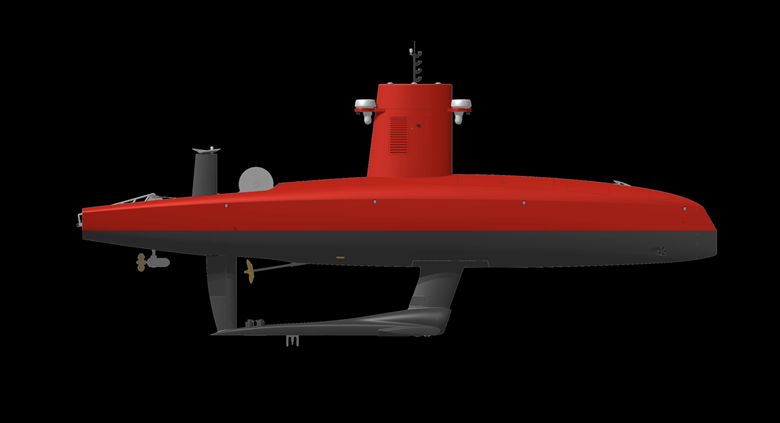
The DriX O-16 is Exail’s newest transoceanic platform, designed for unrestricted navigation and missions lasting up to 30 days. Built from infusion epoxy and E-Glass composite, the 10.5-ton vessel uses a dual hybrid diesel-electric system for propulsion and carries 2,300 liters of fuel for its extreme endurance.
Beyond mere travel, the vessel is a workhorse, conducting sophisticated seabed mapping operations with a Kongsberg multibeam echosounder while en-route. It also features a stern scoop system designed for the launching and recovery of other underwater robots, positioning it as a powerful asset for both naval and hydrographic research.
The Yachting Takeaway
This successful voyage holds huge implications for the entire yachting sector. The idea of casting off your boat and having the vessel self-sail there over is rapidly approaching reality. The DriX O-16 provides concrete proof that fully-automatic passage making is entirely possible, requiring zero heavy logistical support.