Brunswick’s Take on Tariffs and US Business Prospects
by Nick Hopkinson
Company Allows $30m-$40m in Incremental Tariff Costs if Levied
The constantly changing threat of the imposition of tariffs and retaliatory measures of the past few days will have been perplexing to many in the industry. The very latest twist in the saga suggests that the economic intimidation applied by President Trump would appear to have worked in the case of Mexico and Canada, but nothing should be taken for granted.
Brunswick Has Big Exposure
Probably the company with the largest exposure in the marine leisure business is Brunswick. Recently its president, David Foulkes, had this to say just prior to last weekend’s announcement on the tariffs which were to have been imposed on Canada, China and Mexico.
“We are predominantly a US manufacturing company with only some $900m of our costs attributable to products supplied from abroad,” he said. However, CFO Ryan Gwillim explained that the company is monitoring the situation closely and had factored $30m-$40m in incremental costs into its 2025 forecast to allow for the potential adverse effects.
Brunswick already faces Section 301 tariffs from the products it imports from China but these could increase unless the US and China reach an accord. In his presentation, Foukes emphasized that the company had significantly reduced its dependence on China in the past few years through the general migration of its supply base and the optimization of its own manufacturing facilities, but this must still be of concern.
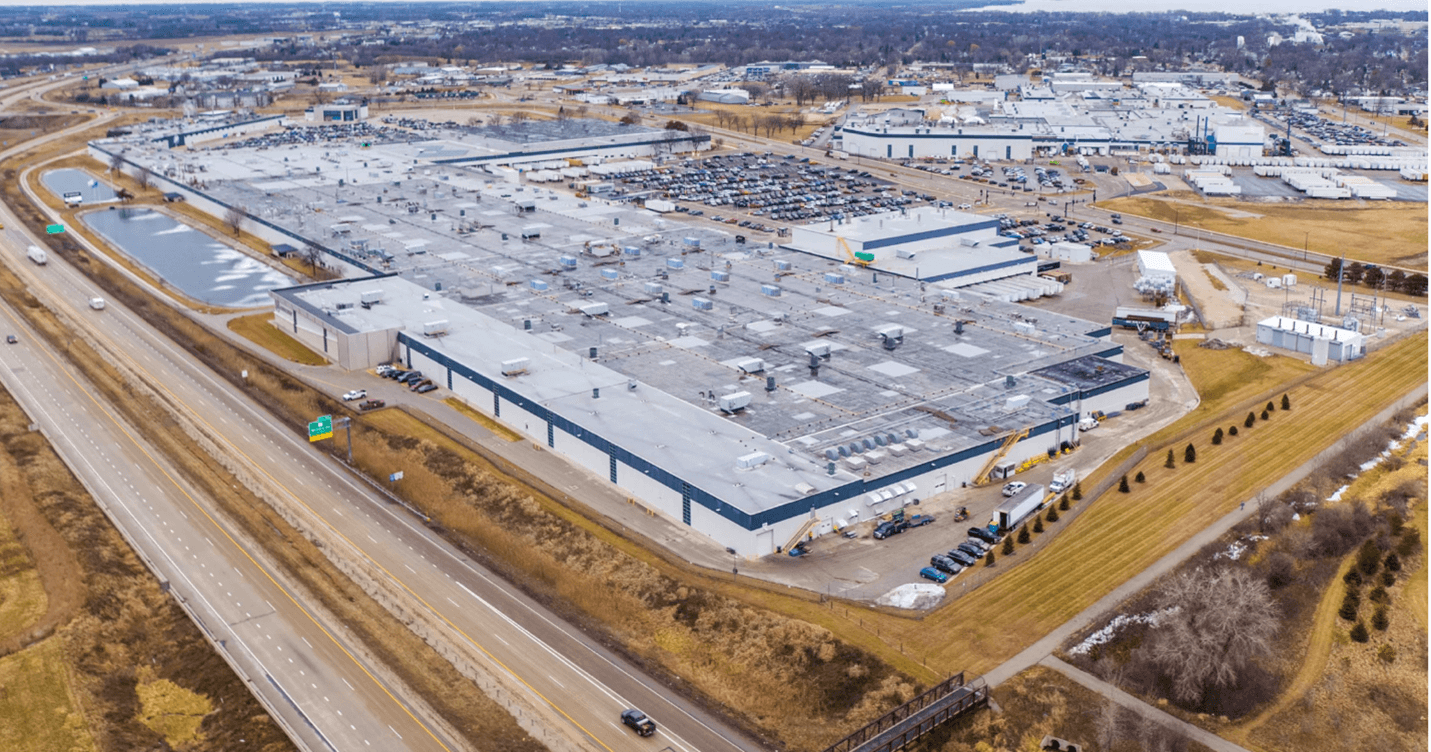
Brunswick’s exposure to the previously threatened 25% tariff on imports from Mexico would have been considerable, given its 385,000ft² plant in Reynosa where it has been producing Bayliner, Sea Ray, Trophy, Lund and Heyday boats in recent years. News of the 30 day “ceasefire” announced yesterday must have come as something of a relief.
Boat Sales at Historic Low
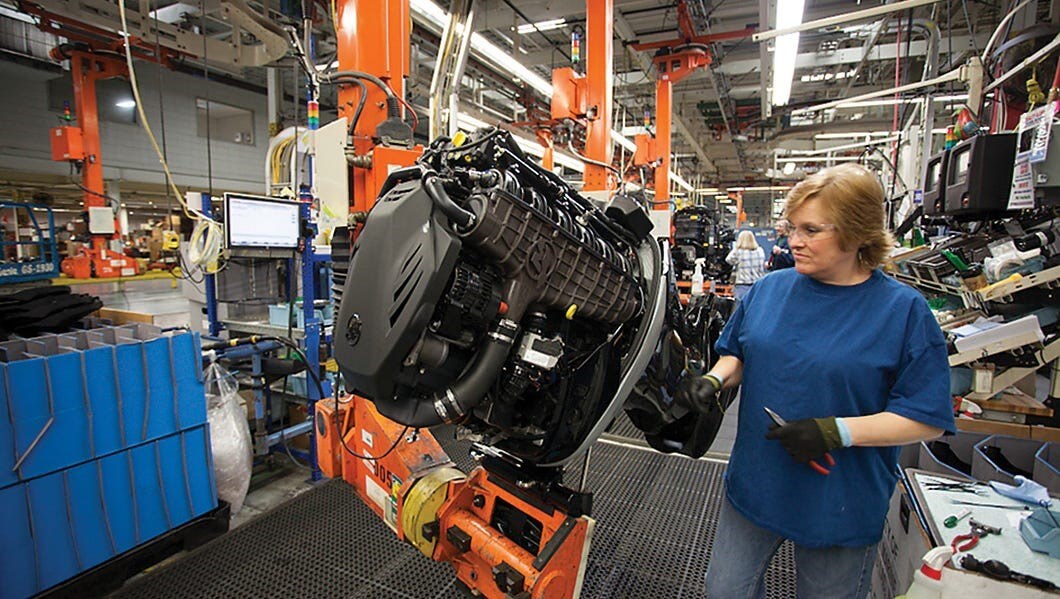
On the general prospects for the total US market in 2025, Foulkes commented that Brunswick is expecting flat demand levels at around 150,000 powerboat units, which is not far above the nation’s historic lows. Brunswick’s forward projection sees a second-half recovery following a relatively slow Q1. Production of boats and engines were both scaled back significantly in 2024 to reduce the wholesale pipeline in response to reduced retail demand. In Q4 alone, Foulkes commented that the company produced 1,000 less boats than the year before and 10,000 less units for the full year as it slowed production and laid off 20% of its hourly workers and 7% of its salaried staff.
9-Month Inventory of Boats
As a result, the wholesale boat pipeline is now down to 36.8 weeks on hand which is considered more acceptable than earlier in 2024. Further promotions and discounts, which were a significant factor in 2024, are less likely to be such a feature of the coming months as Brunswick believes a recovery at retail should begin to show more positive results by the second half.

However, the company stated that it remains cautious and aware that unpredictable events could adversely affect its forward projections. As a result of reduction in costs and the greater production efficiencies brought into play in 2024, Brunswick’s free cash flow and cash conversion has been strong in recent months.
However, the relatively wide revenue projection for 2025 of between $5.2bn to $5.6bn in sales and an EPS forecast of $3.50 to $5.00 are indicative of the degree of uncertainty being expressed.
David Foulkes Bullish
Last week Foulkes was bullish about results from this year’s early boat shows, as reported by IBI on Friday, which if maintained would suggest that 2025 may indeed prove to be a better year than some predict. However, it may also prove to be a false dawn. The next indicator for US business prospects will come at the Miami show in eight days’ time, after which any uplift will depend on consumers returning in force during the coming months.