Conquering Sea Sickness

There’s nothing quite like the thrill of being on a boat in the open sea—the fresh air, the wind in your hair, and… oh wait, the sudden urge to vomit. Sea sickness has existed for thousands of years; our ancestors endured the discomfort and humiliation of sea sickness. Even the great Charles Darwin was afflicted by it.
Scientists generally agree the best defence against sea sickness is the ability to adapt to the motion of a boat or a ship — this is also known as getting your ‘sea legs’. But there is debate about how we do this. According to one school of thought, it’s about your brain learning how to predict body movement in a new environment, but others argue that it’s about learning how to maintain an upright posture.
“Balancing on two legs is an art,” explains Dr. Jelte Bos from the Dutch Organisation for Applied Scientific Research. When you start to lose balance, your eyes, inner ears, and other sensory systems alert your brain, instructing your muscles and joints to act to keep you upright. However, there’s a limit to how quickly our nerves can transmit information to and from the brain, so our brains must develop the ability to predict how our movements affect our balance, Dr. Bos said.
This predictive ability develops when we are toddlers but typically happens on solid ground. Boats, however, move in much more complex ways. Boats don’t just pitch and roll but also yaw, sway, surge, and — aptly — heave. Each boat trip is unique, influenced by the sea, weather, and the type of vessel. Cruise ships are generally more stable than smaller boats.
Until your brain adapts to the specific rhythm of the boat’s movement, it relies on the balance it learned on land. This creates a mismatch between your brain’s expectations and what your senses tell you. Once your brain adjusts to the boat’s motion, it aligns its expectations with what your senses experience voilà — you find your balance, or as they say, your “sea legs.”
Dr. Bos explained that his theory sheds light on why passengers, rather than drivers, are more prone to motion sickness. Since the driver is in control and can anticipate how sharply they’ll turn, their brain is better equipped to predict their movement. The passenger, however, is at the mercy of the driver’s actions and has a more challenging time predicting the motion, making them more susceptible to car sickness.
On the other hand, Dr. Tom Stoffregen, a human movement science expert at the University of Minnesota, suggests that the primary cause of sea sickness is how we sway. Just as people vary in their ability to learn sports like tennis or ice skating, they also differ in how well they adapt to the motion of a ship, Dr. Stoffregen explained. He said overcoming sea sickness involves unconscious trial and error with different muscle and joint movements to maintain postural stability and balance. His research has pinpointed several factors that can help with this.

One key factor is looking at the horizon, a tip mariners have passed down for ages. Another is standing with your legs farther apart. Dr. Stoffregen noted that most people get their sea legs within about 36 hours of leaving shore, although some may take longer.
His research also found that how someone sways on land before embarking on the journey can predict their likelihood of getting seasick. Interestingly, women are more likely to experience sea sickness than men, possibly due to differences in body shape and weight distribution, which affect how they sway, Dr. Stoffregen said.
Bottom line: Keep standing!
We now understand that sea sickness occurs when our senses of sight, balance, and movement send conflicting messages to the brain. In response, the brain sends out a cascade of stress-related hormones, which can lead to a highly unpleasant combination of nausea, vomiting, cold sweats, anxiety, and vertigo!

Here's a More Detailed Explanation
Sensory Conflict: The inner ear’s balance (vestibular) system detects movement, while the eyes and body’s sensory nerves provide information about your position and surroundings.
Conflicting Signals: When these signals don’t match (e.g., your eyes see a stationary wall, but your inner ear senses motion), the brain gets confused, triggering motion sickness symptoms.
Common Triggers: Sea sickness is common during boat travel but can also occur in cars, planes, or even on amusement park rides.
Symptoms: These can range from mild nausea and dizziness to severe vomiting.
With repeated exposure to motion, the brain can adapt and reduce the severity of motion sickness or even eliminate it altogether.
Self-Managed Prevention Strategies:
- Stay in the middle of the boat where motion is minimized. If possible, stay on deck and focus on the horizon.
- Ginger tea, ginger ale, or peppermint can help soothe your stomach.
- Drink plenty of water and eat small, light meals before and during your trip. Avoid heavy, greasy foods.
- If you’re prone to sea sickness, try to gradually increase your time on the water to acclimatize your body.
- Limit alcohol and caffeine before and during your trip, as they can exacerbate symptoms.
More Effective Options For the Prevention of Sea Sickness
See-LEVEL VR -- Fast Relief from Sea Sickness

See-LEVEL is not just a product; it’s the culmination of years of research, development, and comprehensive testing. It represents a significant breakthrough in the battle against sea sickness, with its price reflecting the innovative work and technology behind its creation. The extensive and intricate development process, along with the collaboration of multiple partners, justifies the cost of See-LEVEL. This price reflects the in-depth research, cutting-edge technology, and thorough testing that went into crafting a solution capable of significantly reducing or even eliminating sea sickness in real- world conditions. Additionally, since this technology had never been developed before, patents were secured, ensuring that See-LEVEL remains a unique and protected solution in the market.
Once you put on the VR headset, you’ll be presented with a high-resolution display for each eye, creating a stereoscopic 3D effect. This provides depth and immersion in a virtual environment. The field of view can vary between different headsets but is generally wider than what you would experience on a regular monitor or TV. The VR headset incorporates head-tracking technology, so as you move your head, the virtual environment responds accordingly, enhancing the sense of presence and realism. This tracking is made possible by built-in sensors, gyroscopes, and accelerometers that update the scene 75 times per second.
There are no side effects to using See-LEVEL making tasks involving driving afterwards, operating machinery far safer. And rather than trying to predict when you will be seasick by taking medication earlier, you use See-LEVEL only IF you become seasick, therefore enjoying your journey without side effects.
Before embarking on your journey, it’s important to familiarize yourself with See-LEVEL. Here’s how you can prepare:
- Usage: Spend some time using See-LEVEL in a calm environment to get a feel for how it works.
- Fitting: Ensure the headset fits comfortably and securely on your head, adjusting the straps to prevent pressure points.
- Charging: Fully charge the device before your trip. Connect it to the charger and allow it to reach full battery capacity.
- Volume Control: Adjust the volume to a comfortable level and get familiar with the controls.
- Re-Centering: Learn how to re-center the view if it feels off, ensuring you’re always looking straight ahead.
- IPS (Interpupillary Distance) Adjustment: Adjust the IPS for optimal visual clarity and comfort.
- Powering On/Off & Standby: Practice turning the device on and off, as well as putting it in standby mode to conserve battery.
- Using with Glasses: If you wear glasses, practice using the headset over them to ensure a comfortable fit.
Typically, users experience relief from sea sickness within 12 to 15 minutes of using See-LEVEL if applied at the early onset of symptoms. During long offshore voyages, you may need to wear the SEE-LEVEL headset for extended periods. Relief may take up to 40 minutes in these cases or after prolonged illness. Patience is important; relief will eventually come, especially in challenging conditions.
See-LEVEL has been tested by over 400 personnel at the defense forces with the average time to reviver being 12.5 minutes.
See-LEVEL is in usage by many major commercial clients like Whale Watch Kaikoura, Svitzer Tugs, The Sir David Attenborough Research Vessel, Charter World’s core fleet of superyachts and The Spirit of New Zealand to name a few.
For more information visit https://www.seasick.com/.
Medications
Over-the-counter medications can be effective if taken before travel. Consult with a doctor for prescription options if needed. Some of the medicines we found included:
Dramamine
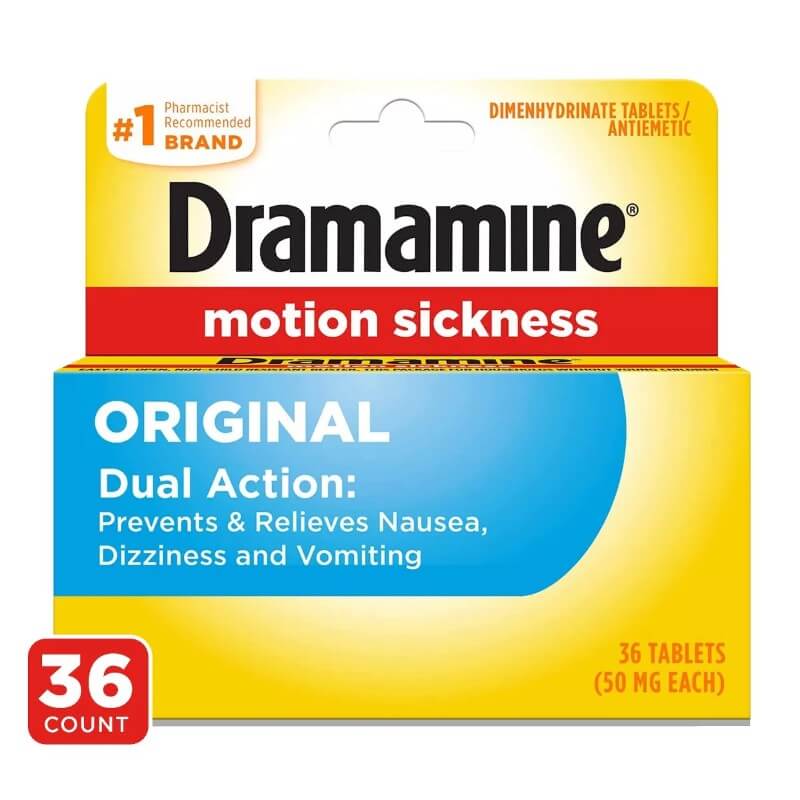
Dramamine is an over-the-counter remedy for sea sickness that helps prevent nausea, dizziness, and vomiting. It works best when taken 30 to 60 minutes before boarding. Side effects may include drowsiness or dry mouth. As always, refer to the package directions and warnings before use.
Sea-Band
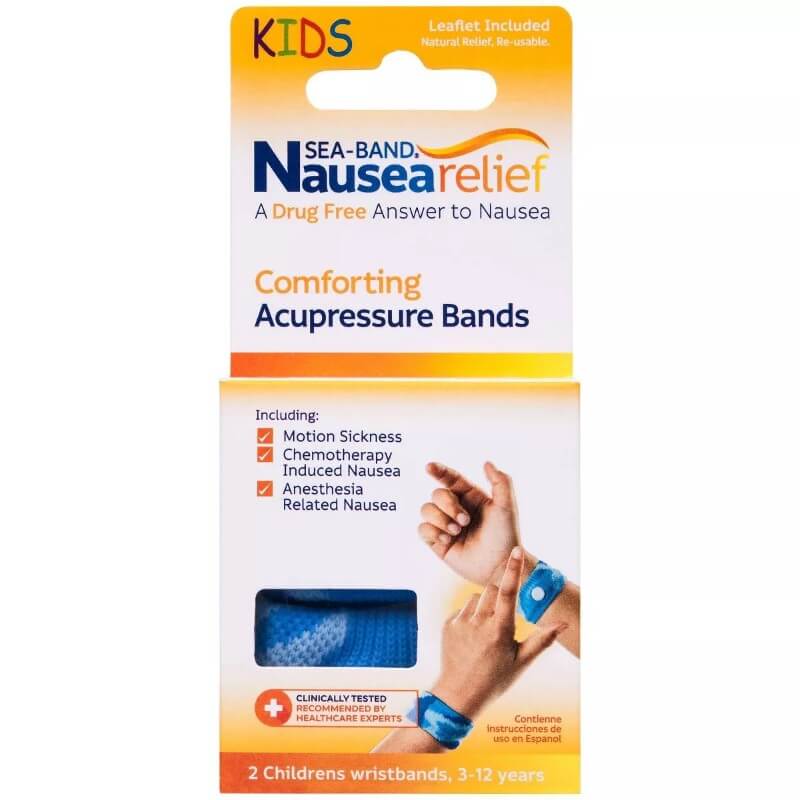
Sea-Band offers drug-free relief from sea sickness using acupressure. It helps reduce nausea without drowsiness or side effects. Worn on the wrist, Sea-Bands can be used before or during travel and are reusable and hand-washable. As always, refer to the package directions and warnings before use.
Advanced Herbals Ginger Chews

Advanced Herbals Ginger Chews contain a dose of ginger providing non-drowsy relief in a convenient soft chew. These Ginger Chews come in a lemon-honey-ginger flavor and are made with natural ginger extract. As always, refer to the package directions and warnings before use.
Tips For Specific Activities
- Ferry Rides: If you’re taking ferries, get to the upper decks for fresh air and a good view of the horizon.
- Whale Watching: Look for tours that provide information about the best times to go. Early morning trips tend to be smoother.
- Diving or Snorkelling: Ensure you’re well-hydrated and have had a light meal before diving, as sudden movements can trigger nausea.
Conclusion
Being proactive can make a big difference. If you experience sea sickness despite taking precautions, find a comfortable spot, focus on the horizon, and try some of the remedies mentioned.