The Dangers of a Sudden Squall: What the Lake Tahoe Tragedy Teaches Us

Photo Credit...United States Coast Guard Northern California
On a seemingly perfect Saturday afternoon, a tranquil day on Lake Tahoe turned into a nightmare. A 27-foot vessel, enjoying the pristine water near D.L. Bliss State Park, was suddenly caught in a fast-moving storm. Within minutes, winds of over 35 mph and waves of up to eight feet capsized the vessel, leading to the tragic loss of eight lives.
While this story is heartbreaking, it serves as a powerful reminder: even on a calm, inland body of water, conditions can turn deadly in an instant. This event, which witnesses described as a "microburst," highlights why every boater must remain vigilant.

Understanding Lake Tahoe’s Unique Weather
Lake Tahoe’s beauty belies its potential for peril. The massive, deep lake is surrounded by tall mountains. This topography, combined with warm afternoon air and cool, rain-cooled air dropping from a developing storm, creates a dangerous phenomenon. This "downdraft" or "downburst" can be localized, hard to predict, and can unleash hurricane-force winds in a small area, whipping up towering waves in a matter of minutes. In this case, the storm was so sudden that a marine forecast advisory had not been issued for that day.
What Boaters Should Have Done
Hindsight is always 20/20, but the Lake Tahoe tragedy offers a sobering lesson in what every boater should do to avoid being caught in a catastrophic squall.
1. Go Beyond the App: A general weather app is not enough. You must monitor a marine-specific weather forecast before you head out. These forecasts track wind speeds, wave heights, and the probability of thunderstorms, which can be different from a land-based forecast. Learn how to use Doppler radar to spot developing storms in your area and understand that a small, dark cloud can hide a dangerous downdraft.
2. Learn the Visual Cues: The weather on a large lake can change in an instant, and being able to read the signs is your first line of defense. Look for a sudden increase in wind speed, a drop in air temperature, and the formation of dark, towering clouds with anvil-shaped tops. On the water itself, watch for whitecaps forming, which can signal that winds are picking up even if the sky looks clear.
3. Act Quickly, Head for Shelter: If you notice any of these signs, don't wait. The first and most important step is to head for the nearest shore or a protected cove immediately. Get out of the open water and seek shelter from the wind and waves. Do not try to race the storm back to your home marina if it's far away.
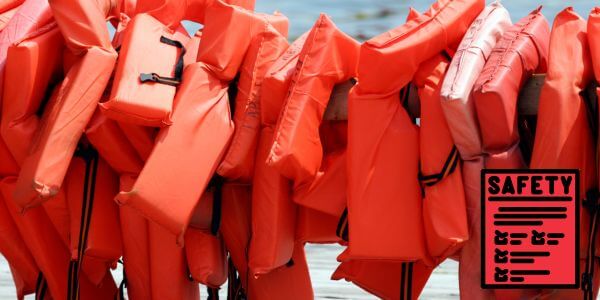
4. Prepare Your Vessel and Crew: While underway, have all passengers put on their USCG-approved life jackets—even if they are adults and experienced swimmers. Stow or secure any loose items on deck that could be blown away or become projectiles. Close all hatches, doors, and windows to prevent swamping. If the storm hits, reduce your speed and head into the waves at a 45-degree angle to keep the bow from diving into the troughs.
The eight lives lost on Lake Tahoe are a stark reminder that even a beautiful, calm lake can be unforgiving. Vigilance is a boater’s most important tool. Knowing what to look for and how to react can mean the difference between a harrowing story and a tragic one.

Want to read about more close calls? Click here to see our weekly accident report and gain access to the archives.