Dealing with Onboard Waste: What Every Boater Should Know
Source: Staff Report, Waterway Guide 2026 Southern Edition
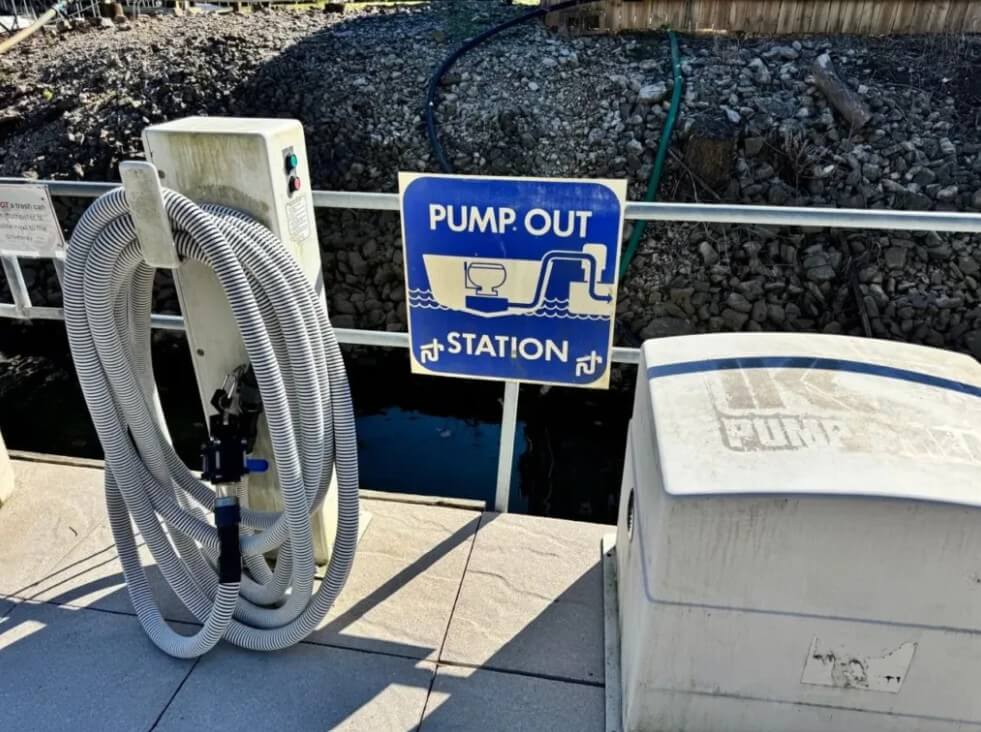
Managing onboard waste responsibly is an essential part of boating--both for staying compliant with the law and for protecting the waterways we all enjoy. While discharging untreated sewage overboard was once common practice, those days are long gone. Today's regulations, combined with readily available pump-out services and modern sanitation systems, make proper waste management easier than ever.
A Shift Toward Cleaner Waterways
In 1987, revisions to the Clean Water Act made it illegal to discharge untreated sewage into U.S. waters within the three-mile limit. As a result, pump-out stations became standard features at marinas and fuel docks across the country, and onboard holding tanks became the norm.
If your vessel is equipped with a marine head and you're operating within coastal waters, you are required to have an approved holding tank--and to arrange for regular pump-outs. Beyond the legal requirements, responsible waste disposal is simply good seamanship. Even small amounts of waste can quickly degrade water quality in anchorages, creeks, and harbors, creating unpleasant and unhealthy conditions for everyone.
Understanding the Law
Federal regulations require any vessel with a marine head operating within three miles of shore to use an approved Marine Sanitation Device (MSD). In many areas--particularly designated No-Discharge Zones--even treated waste may not be discharged overboard.
Key legal points to remember:
- All valves that could allow waste to exit the vessel must be secured in the closed position using wire ties or padlocks and in the closed position.
- If you have a marine head onboard and are operating on coastal waters within the U.S. 3-mile limit, you need to have an approved holding tank or Type I MSD.
- You may discharge waste overboard from a Type I MSD in all areas except those designated as No-Discharge Zones. A Type I MSD treats waste by reducing bacteria and visible solids to an acceptable level before discharge overboard.
- While small and inconvenient for most cruisers, "Port-A-Potties" meet all the requirements for a Type III MSD as the holding tank is incorporated into the toilet itself.
No-Discharge Zones: Know Before You Go
No-Discharge Zones (NDZs) are areas where no sewage--treated or untreated--may be released into the water. All waste must be collected in a holding tank and pumped out at a proper facility.
Some regions also prohibit the overboard discharge of gray water from sinks and showers. Regulations vary by location, so it's important to familiarize yourself with local rules before cruising into new waters.
Pump-Out and Holding Tank Basics
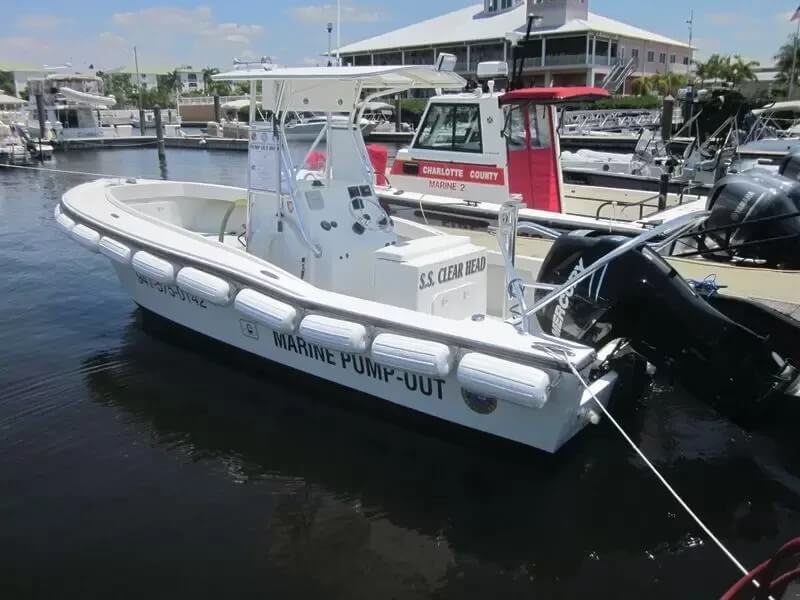
Many marinas provide pump-out facilities, often located near fuel docks. Some charge a small fee, while others include the service for slip holders. In addition, many municipalities operate pump-out boats that can service vessels at anchor--typically for a modest charge.
A few best practices:
- Monitor your holding tank levels, especially when cruising remote areas.
- Plan pump-outs in advance if you expect limited access to facilities.
- When possible, empty your holding tank before heading out for extended trips.
Technology can also help. Mobile apps like Pumpout Nav use your location to identify nearby pump-out stations and provide details such as hours of operation and contact information.
Marine Sanitation Device Options
There are three main types of MSDs:
- Type I MSDs treat sewage using maceration and disinfection before discharge and are typically found on smaller vessels.
- Type II MSDs provide a higher level of treatment and are generally installed on larger vessels.
- Type III MSDs are holding tanks that store waste until it can be pumped out or discharged offshore.
Some boaters opt for composting heads, which separate liquid and solid waste to speed decomposition and reduce odors. These systems require no plumbing or through-hulls, use minimal water, reduce onboard weight, and eliminate the need for pump-outs--making them an increasingly popular alternative.
Penalties and Fines
Failure to comply with marine sanitation regulations can result in fines. Improperly equipped vessels or illegal discharge of waste may lead to non-criminal infractions ranging from modest fines to more substantial penalties, depending on the violation and location.
Clean Boating Is Smart Boating
With modern sanitation systems, widespread pump-out availability, and clear regulations, there's little excuse for improper waste disposal. Managing onboard waste correctly protects the environment, improves cruising conditions, and keeps you on the right side of the law.
For more practical boating advice, regulations, and seamanship tips, be sure to check out the Skipper's Handbook inside your Waterway Guide.