Drone Strike: U.S. Forces Sink Narco-Trafficking Boat
Narco Drone Strike
WASHINGTON, Sept 2 (Reuters) – “The U.S. military killed 11 people on Tuesday in a strike on a vessel from Venezuela allegedly carrying illegal narcotics, said President Donald Trump, in the first known operation since his administration's recent deployment of warships to the southern Caribbean.
"We just, over the last few minutes, literally shot out a boat, a drug-carrying boat, a lot of drugs in that boat...And there's more where that came from. We have a lot of drugs pouring into our country, coming in for a long time ... These came out of Venezuela."
He later shared a video on his Truth Social platform that appeared to show footage from overhead drones of a speedboat at sea exploding and then on fire.
"The strike resulted in 11 terrorists killed in action. No U.S. Forces were harmed in this strike," Trump said.
He added that the U.S. military had identified the crew as members of Venezuelan gang Tren de Aragua, which the U.S. designated a terrorist group in February. He repeated allegations that Tren de Aragua is being controlled by Venezuela's President Nicolas Maduro, accusations that Caracas denies.
Reuters Verifies Video
Venezuela's Communications Minister, Freddy Nanez, suggested in a post on social media that the video shared by Trump was created with artificial intelligence.
Reuters conducted initial checks on the video, including a review of its visual elements using a manipulation detection tool which did not show evidence of manipulation. However, thorough verification is an ongoing process, and Reuters will continue to review the footage as more information becomes available.
The Pentagon has not released specifics about the attack, including what kind of drugs were on board, the quantity, or how the strike was carried out.
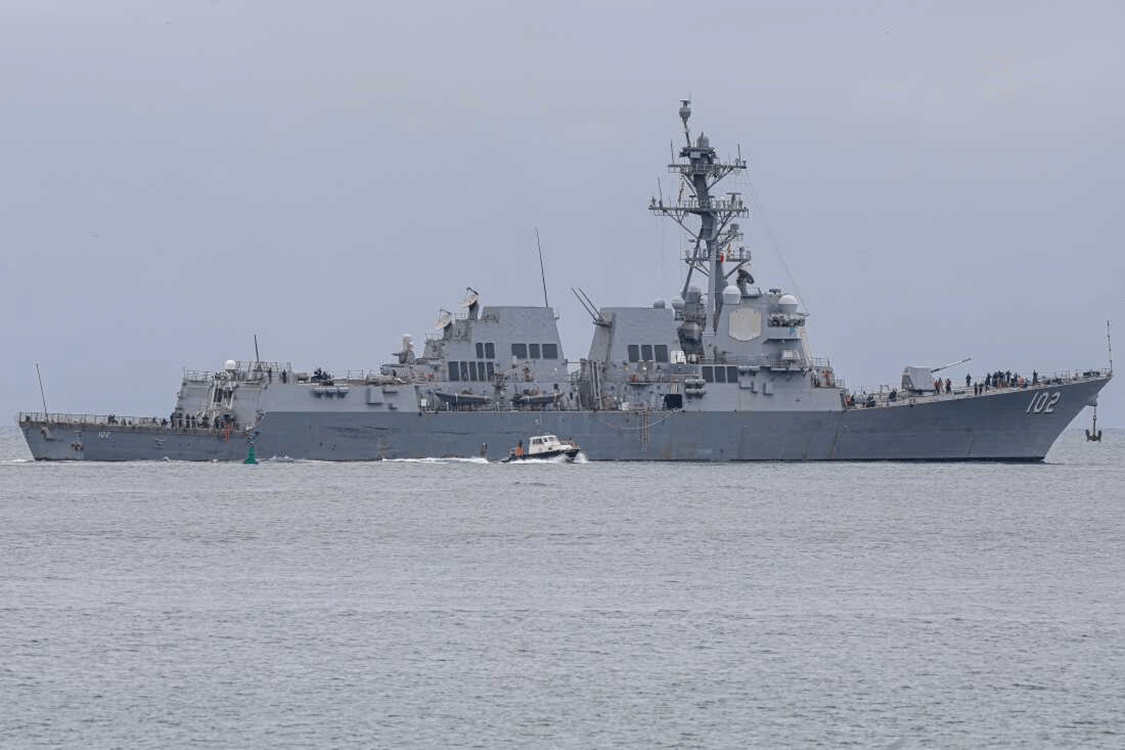
Unusual – and Deadly -- Interdiction
The decision to blow up a suspected drug vessel passing through the Caribbean, instead of seizing the vessel and apprehending its crew, is highly unusual and evokes memories of the U.S. fight against militant groups like al Qaeda.
"'Being suspected of carrying drugs' doesn't carry a death sentence," said Adam Isacson, Director for Defense Oversight at the Washington Office on Latin America, in a post on X.
The United States has deployed warships in the southern Caribbean in recent weeks with the aim of following through on a pledge by Trump to crack down on drug cartels.
Tuesday's strike appeared to be the first such military operation in the region to that effect.
Seven U.S. warships, along with one nuclear-powered fast-attack submarine, are either in the region or expected to arrive soon, carrying more than 4,500 sailors and Marines.
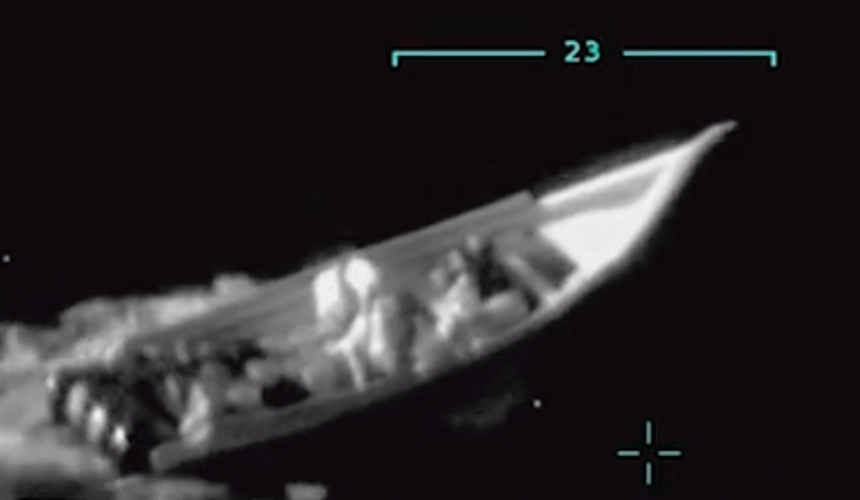
Rubio Says Boat Headed to Trinidad
Speaking to reporters, Secretary of State Marco Rubio said: "These particular drugs were probably headed to Trinidad or some other country in the Caribbean."
"Suffice it to say that the president is going to be on offense against drug cartels and drug trafficking in the United States."
Venezuelan officials have repeatedly said that Tren de Aragua is no longer active in their country after they dismantled it during a prison raid in 2023.
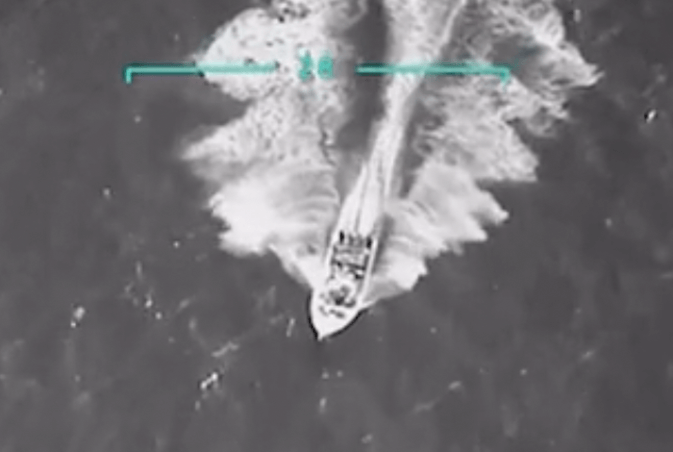
Excerpts from the Washington Post, Sept. 2—
DOD Mum on Details of Operation
“...Defense officials, who said initially that they intended to provide additional details about the operation, declined to address questions seeking clarity on what transpired Tuesday, including the legal authority used to justify the strike; the estimated weight of narcotics on board; whether U.S. forces attempted to interdict, board or otherwise communicate with the vessel; and if its crew was first warned before the boat was struck with deadly force.
“The strike opens a new chapter of U.S. military force in the Western Hemisphere, where such operations are exceptionally rare.
“Washington primarily relies on the U.S. Coast Guard to intercept and board vessels suspected of carrying drugs. Typically, those forces detain suspected traffickers for follow-on prosecution, confiscate the narcotics and often sink the vessels.
DEA Says New Sharif in Town
“It has also focused on making allies and partners in the region through training, advising and support, often through the State Department and the Drug Enforcement Administration, said Daniel Byman, director of the warfare, irregular threats and terrorism program at the Center for Strategic and International Studies, a Washington think tank.
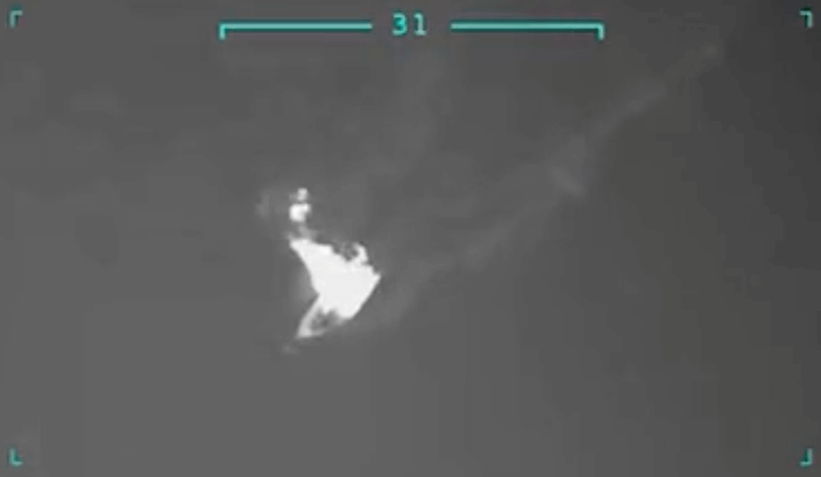
“The strike today is part of a new, more militarized approach the Trump administration has embraced,” Byman said, pointing to the expanded U.S. forces in the region, drone flights over Mexico and other actions. “This is a significant shift,” he said, “but not a surprising one.”
“There are eight U.S. Navy ships, including three destroyers, currently in Latin American waters for the counternarcotics mission. The deployment also includes two landing dock ships, an amphibious assault ship, a cruiser and a littoral combat ship. The destroyers each are carrying detachments of U.S. Coast Guard personnel and law enforcement officials.”