Eight Rescued Miles Offshore: Your Boat's Silent Alarm
A Disabled Boat Off Venice, FL, Proves You Must File a Float Plan
Missing in the Gulf
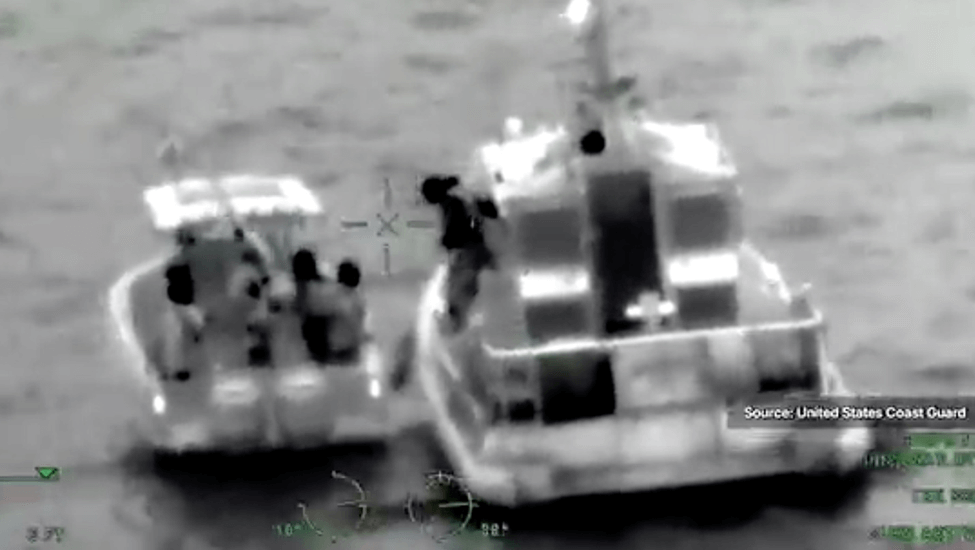
Thirty-five miles offshore is no place to be disabled, but that's where eight people on a 26-foot boat found themselves one night off Venice, Florida. The U.S. Coast Guard ultimately brought everyone back safe and sound.
The astonishing part of this successful rescue? The Coast Guard didn't get a distress call from the boat. They started searching because someone on shore noticed the vessel was overdue.
The Lifesaving Rule: Tell Someone
As Coast Guard officials stressed, "make sure you tell someone where you are going and when you will be back." This is the Float Plan, and it's the ultimate offshore safety net.
The details—who's on board, the boat's size (26-foot!), the route, and the expected return time—are critical. When the return time passed, a Venice Police officer reported the vessel to the Coast Guard. That silent alarm triggered the search.
Rescue in the Dark
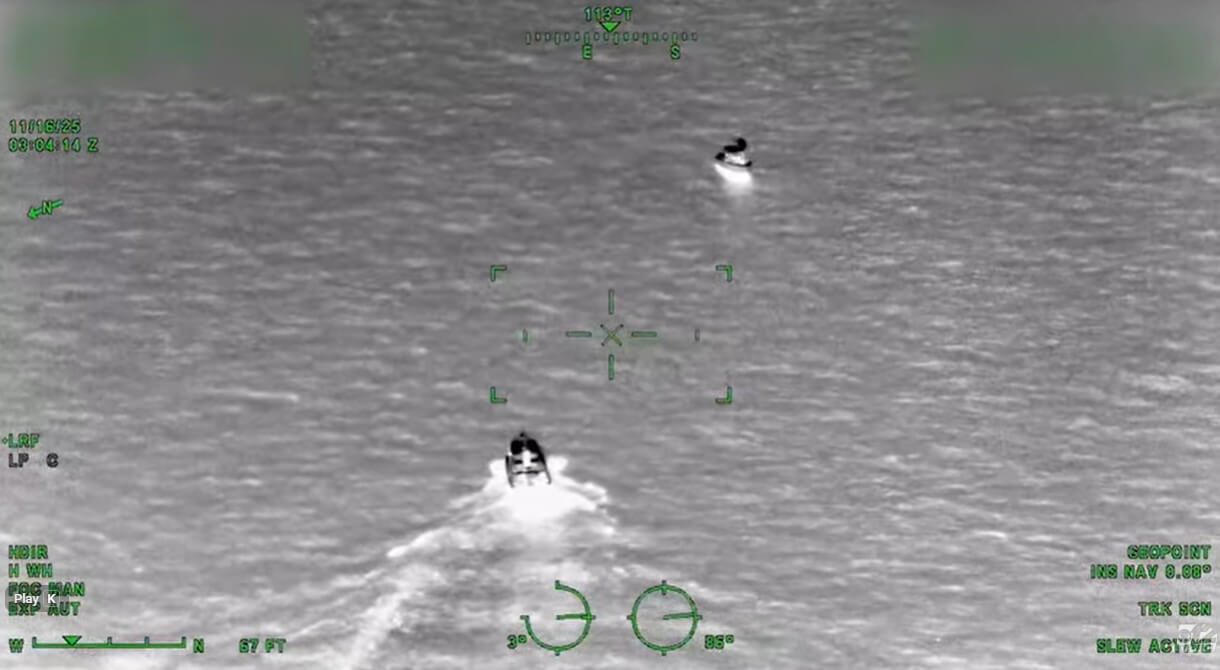
The Coast Guard took over, sending an Ocean Sentry aircrew to search in the dark (9:32 p.m.). Locating a small boat 35 miles out is challenging, but their specialized equipment found them. The aircrew then directed the surface boat to the position for the pickup.
This incident proves that communication redundancy is a must. Whether their VHF radio failed, or their cell phones died, their physical ability to call for help vanished when their boat became disabled.
Their survival wasn't luck; it was the result of planning ahead. Never assume you'll be able to call for help. Always make sure someone on land knows when you're supposed to be home.
Want to read about more close calls? Click here to see our weekly accident report and gain access to the archives.