Engulfed in Flames: A Florida Boat Fire Highlights Crucial Emergency Preparedness
How Quick Thinking and Essential Safety Gear Saved Two Lives in the Ocean
The Smoke on the Horizon: A Fire at Sea
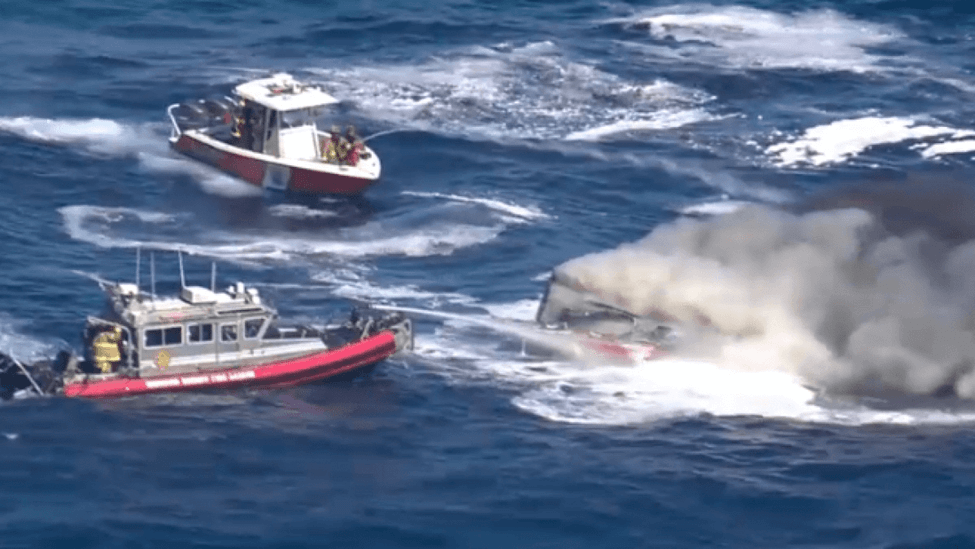
The waters off Florida’s coast are typically serene, but they harbor dangers that can materialize instantly. A recent incident off Broward County, near Dania Beach and Hollywood, serves as a searing reminder of one of the most terrifying events a boater can face: a fire at sea.
On November 3rd, a 35-foot vessel with two people aboard erupted in flames in the ocean. Eyewitnesses on the beach reported seeing thick clouds of black smoke 15 to 20 minutes before rescue crews arrived. Aerial footage confirmed the severity of the crisis, showing the boat fully engulfed before the combined forces of the Broward Sheriff's Office (BSO) Fire Rescue and Fort Lauderdale Fire Rescue could extinguish the blaze. Though the vessel was destroyed, the outcome for the people aboard was a resounding success: both occupants were rescued uninjured by the U.S. Coast Guard.
The reason for this positive outcome, despite the vessel being a complete loss, lies in essential safety preparedness. While the cause of the fire remains unknown, the survival of the two occupants provides every mariner with a vital, non-negotiable checklist for preventing and responding to fire emergencies.
1. The Importance of Immediate Emergency Communication
For the Coast Guard and local rescue services to arrive on the scene quickly, the occupants must have been able to make an immediate, clear distress call. In a fire, every second counts, as toxic smoke and rapidly spreading flames can disable communication equipment.
- VHF Radio: A working marine radio is critical. It should be used immediately to issue a Mayday and provide precise coordinates or a bearing.
- EPIRB/PLB: An Emergency Position-Indicating Radio Beacon (EPIRB) or Personal Locator Beacon (PLB) is the ultimate safeguard. If the vessel is abandoned, these devices transmit an accurate location via satellite, cutting down search time dramatically.
- Accessibility: All communication gear should be immediately accessible, even from the cockpit or a grab bag.
2. Fire Prevention and Suppression is Non-Negotiable
While the cause of this fire is unknown, most boat fires start in the engine room or the galley. Prevention is always the best defense:
- Engine Maintenance: Regularly inspect fuel lines, electrical wiring, and engine components. Frayed wiring or leaking fuel is a recipe for disaster.
- Fire Extinguishers: Vessels are legally required to carry approved fire extinguishers, but the critical lesson is knowing where they are, ensuring they are charged, and knowing how to use them. For a 35-foot vessel, having multiple extinguishers in the galley, helm, and engine room is crucial.
- Engine Shutdown: Knowing the location and proper procedure for rapidly shutting down fuel and electrical systems can starve a fire of its source.
3. The Life-Saving Abandon-Ship Plan
The most critical factor in their survival was their ability to safely get off the burning vessel and await rescue.
- Life Jackets (PFDs): Every person must have a readily accessible, wearable PFD. When facing a fire, you may not have time to retrieve gear from below deck.
- "Go Bag" Preparedness: An emergency "Go Bag" or "Ditch Bag" containing water, flares, first-aid, and an emergency communication device (like a handheld VHF radio) should be ready to grab instantly.
- Life Raft (for offshore vessels): For a 35-foot vessel five miles offshore, a serviced life raft is the ultimate emergency shelter. The life raft provides safety from the heat and the water, and its bright color dramatically increases visibility for rescuers.
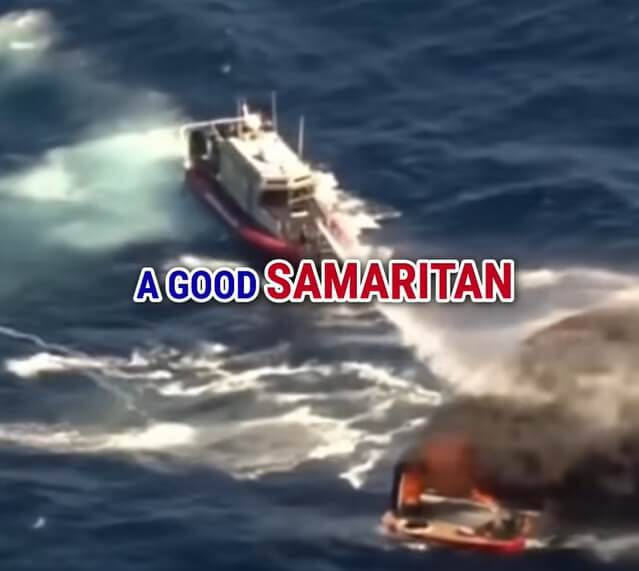
The speed of the rescue, coordinated between the Coast Guard and local fire units, was exceptional. However, it was the preparedness of the two occupants—their ability to escape the fire and signal for help—that set the stage for the positive outcome. The loss of the vessel is heartbreaking, but the survival of the people aboard is a success story built on good planning and decisive action when facing one of the most terrifying emergencies at sea.
Want to read about more close calls? Click here to see our weekly accident report and gain access to the archives.