How Boats Help Make TV Watchable
The ABC's of a Hit TV Show
I freely admit that it does not take much to amuse me after a hard day’s work putting squiggly lines on a computer screen or Mylar. Just put some “eye candy” on TV and I will watch transfixed for the duration.
“Eye candy” is a term that can be applied to TV shows that do not require much (or any) brain wave activity on the part of the viewer. A prime example of this is the number one rated TV show in the world – Baywatch. Baywatch has been called “Boobwatch” for two reasons. The first reason becomes obvious upon the first few pneumatic minutes of viewing the show. The other reason is because you feel like such a boob for watching a show like this when, only a few channels away, you could have been watching educational programs on The Mating of Igneous Rocks or Toilet Habits of the Incas.
Biggest Hits
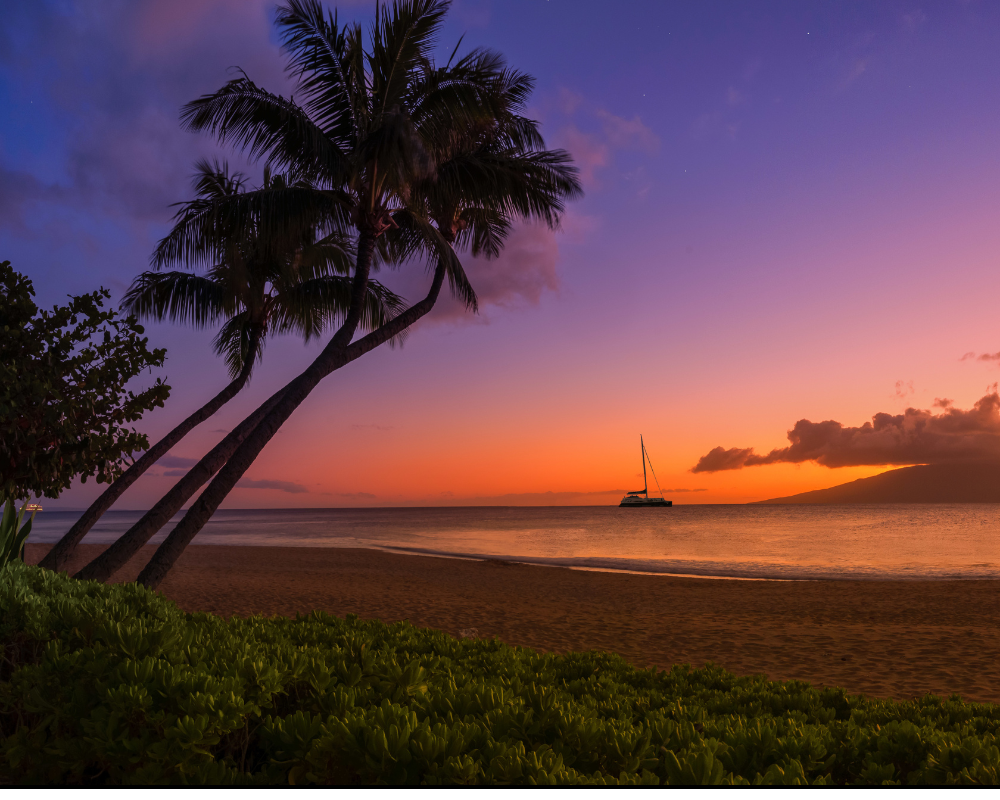
Over the years, there have been a good number of “Eye Candy” shows which became huge hits. All of these shows have much in common: they are set mostly in warm climes such as Southern California, Hawaii or South Florida. Most incorporate the basic ABC’s of eye candy shows: anatomy, boats and cars (or at least two out of three). Give me a big screen TV with skimpily clad cavorting nymphs, great boats and hot cars and I am one happy, zoned out viewer. Fact is, I will watch any TV show that has anything to do with water. If it’s a show about pumps in the waste treatment plants of New York City, I will watch it. If it is about once a year runoff in the Gobi Desert, I will be there.
The Early “ABC’s” Shows
A couple of pioneering TV shows stand out in my mind for incorporating at least two out of three ABC’s. There was a show called “SurfSide 6” about some private detectives who worked out of a houseboat docked along Collins Avenue in Miami (this show was the predecessor of Miami Vice which came 25 years or so later). Also in the 60’s, there was a show called “Hawaiian Eye” staring the very hot Connie Stevens and a guy named “Kookie” (who, for some reason, was always combing his damned hair). These were the first full “ABC” shows that I can recall. Then, in the 70’s and 80’s things got better.
Varnish Farms and Aircraft
There was a show called “Riptide” about a couple of private detectives living on a big, beautiful, classic (1920’s) varnish farm motor yacht in Marina Del Rey. One of the principals in the show drove a vintage Corvette and there was much anatomy and marine life included. “Riptide,” by the way, was probably the first “eye candy” show to add a second “A” to the formula: “aircraft” – a clapped-out helicopter was frequently used in the show. Then, there was “Hawaii 5–0” with stoic Steve McGarrett – spit curl and all. This show incorporated A’s and some B’s but interesting cars were usually nowhere to be seen. McGarret was a very conservative guy and drove Ford Fairlane sedans or some such nondescript car.
“Magnum P.I.” fully exploited all of the AABC’s. Set in Hawaii, Magnum drove a bright red Ferrari 308 GTS and many beautiful women guest starred. A helicopter was part of the show and boats and the sea were seen in virtually every program. There was a show set in San Diego called “Simon and Simon” which liberally included the ABC’s. The principals drove a customized Camaro and a beat up “power wagon” truck and used the outstanding nautical scenery of San Diego and boats to their full advantage. There was another great show called “Wiseguy” which used an abundance of large motor yachts and beautiful women.
The Ultimate “Eye Candy”
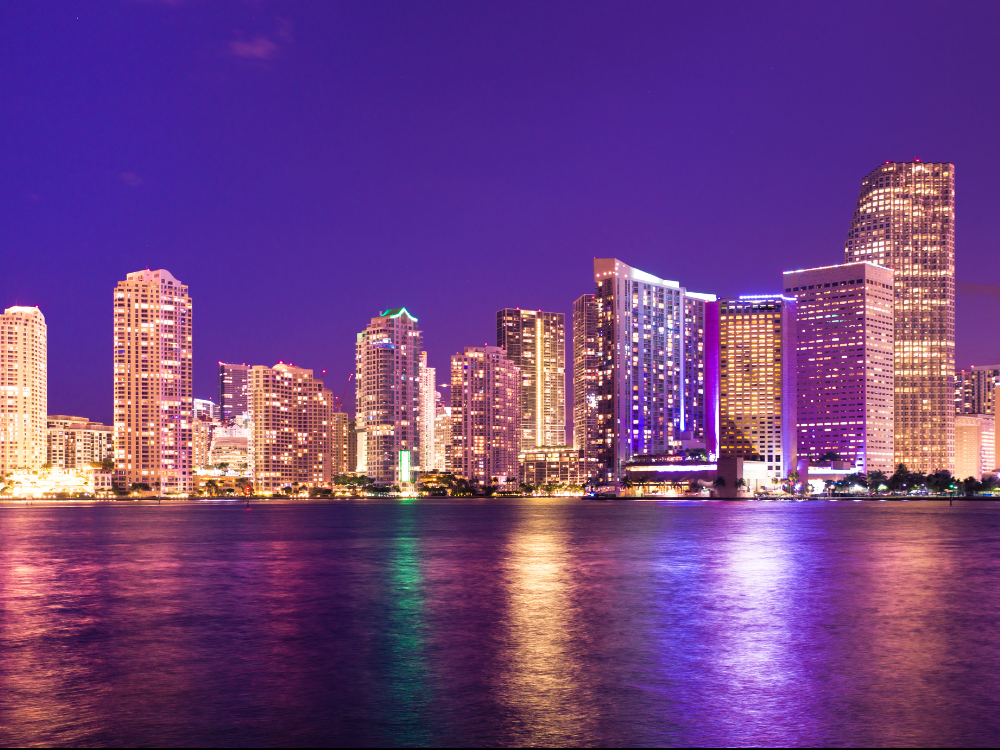
In the early 80’s, the ultimate “eye candy” show appeared – “Miami Vice.” Virtually, every program was a tribute to aircraft, anatomy, slick boats and hot cars with the addition of one new ingredient – rock music. Without a doubt, “Miami Vice” was the greatest “eye candy” of all time. Beautiful women were seen in abundance. Aircraft were used frequently – Lear jets, cargo planes and seaplanes. Crocket lived on an Endeavor sailboat docked at Miami Beach Marina. In an adjacent slip was his big Wellcraft Scarab speedboat.
All this and the dramatic skyline of Miami as a background! Talk about boats! Big motoryachts, sportsfisherman, speedboats and freighters figured prominently in almost every show. Boat chases were very common. Cars chasing boats was a new twist. The principals drove a Ferrari and a classic Cadillac (the bad guys always drove low rider Mercedes sedans). Hell, Miami Vice even “blew up” one of my boats in a show. In the opening sequence, two drug dealers are transacting a deal on the aft deck of a very radical sportsfisherman that kind of looked like an eagle’s head in profile – the perfect “Miami Vice” Boat.
The camera pulls back and BAM!!! The boat explodes in a million pieces over Biscayne Bay (actually it was a bad model of the boat that exploded although some traditionalists feel they should have used the real boat). All of Miami Vice’s action was filmed on location oftentimes at night, which must have been difficult and expensive (but was very effective). The introduction of rock music was new: heretofore, music type background melodies accompanied action shows. Here, hard rock songs followed the stories – some of them written specifically for the show (one of the best was “Smuggler’s Blues”).
Too Much Plastic
After seeing reruns of Miami Vice, Boobwatch looks very tame. I don’t catch Boobwatch very much – the show is too plastic but, as I said, it is watched worldwide in hundreds of countries and many different languages in spite of the fact that “Baywatch” appears to have been written by third grade dropouts. (Hell, these shows don’t need dialogue – dialogue spoils things. Grunting would be fine). Baywatch is huge on anatomy, (much of which is obviously too good to be true) and big on boats (mostly smaller) but the only cars seen are pitiful Jeeps that cruise the beach. “Vice” wins hands down!
From the above, we can see that coming up with a hit TV show is a no brainer and one wonders why more do not capitalize on the AABC’s. Never one to let the grass grow under my webbed feet, I have come up with a series of concepts for new shows that will be guaranteed hits. Tune in next month to read about the “Eye Candy” you may be watching in the future.
(Reprinted with permission of Regina Fexas.)
If you would like to read more of Tom's pearls of wisdom, tune in next Friday -- "Fexas Friday."
Better yet, why not get a full dose of infectious Fexas whenever you need it -- and buy one of the volumes below. Better yet, why not buy all of them -- we call them the "Fexas Five." They will provide many evenings of fun reading (better than Netflix), and you'll make the widow Regina very happy knowing that Tom will live on with you the way most of us remember him.
Order 1, 2 or "The Fexas Five" --
To find the "Fexas Five" on Amazon, click here...
Tom Fexas (1941-2006) was one of the most influential yacht designers of the last quarter of the 20th century. With the narrow Wall Street commuters that were built in the 1920s and '30s always on the back of his mind, he wanted to design boats that were at once fast, comfortable, seaworthy and economical to operate. Over the years, he and his firm designed over 1,000 yachts for some of the most prestigious boat builders in the world, including Choey Lee, Palmer Johnson, Grand Banks, Mikelson Yachts, Burger, Abeking & Rasmussen and many others.
Even though toward the end of his career he only designed megayachts and superyachts, including the remarkably influential PJ "Time" in 1987, he is best remembered for his first major vessel in 1978 -- Midnight Lace -- which became a series of 44-52-footers. They were light, narrow, and fast with relatively small engines. He was also influential in the boating community because of the monthly column he wrote for Power and Motoryacht, which began in its very first issue in January 1985.