I Learned About Boating From That - 10 Steps for Better Night Vision
by Capt. Gregg Clark
Were pirates the unluckiest people in the world? So many of wore an eye patch. Did they forget about their hook when they went to scratch their eye? Or, just maybe, they wore the patch for a different reason.

I frequently hear from people, “I am so bad at operating a boat at night. I can’t see anything!” Well, good news. For the majority of people, it isn’t bad eyesight, but rather a lack of knowledge about how to see at night. The pirates knew this. That is why they, and many other sailors of days gone by, wore an eye patch.
It was a sure way to protect the night vision in one of their eyes. This wasn’t only critical at night, but it was also important if they went below to navigate during the day as below decks of old wooden boats, it was typically very dark.
How the Eye Works
Seeing better at night requires a basic understanding of how the eye works and knowing a simple set of rules to follow to let your eyes adjust, and remain adjusted, to seeing better at night. I learned about this when getting my pilot’s license back in the 1990s. It is an important part of the training curriculum.
I’m surprised it isn’t part of the standard training of any of the boating courses I’m aware of. Even my 200 gross ton master exam test didn’t ask about it.
The retina, the light sensitive area at the back of the eye contains two types of photoreceptors, rods and cones. There about 120 million rods and 6 to 7 million cones in the human eye. The cones are less sensitive to light than the rods but are very sensitive to color. Cones are associated with daylight vision.
The rods are about 1,000 times more sensitive to light than cones, but not very sensitive to color. Rods are responsible for our dark-adapted vision. What color sensitivity the rods do have peaks in the blue light area of the spectrum. Interestingly, they have little to no reaction to red light.
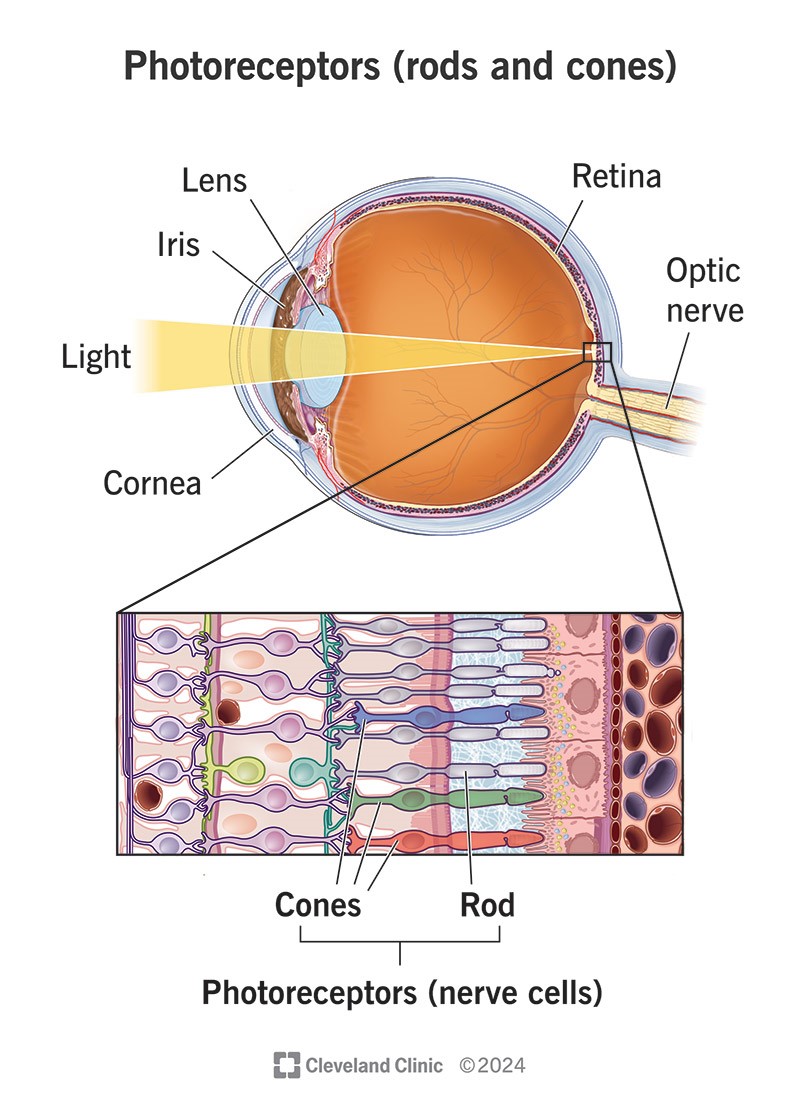
Have you ever thought your bedroom was totally dark only to wake up after an hour or so to find the room awash in light from just the tiny LED on a phone or computer charger? This happens because it takes about 30 minutes for the rods to fully adjust when moving from a light to dark environment.
This concept can be your savior for operating a boat at night.
10 Steps to Better Night Vision
Here are some guidelines to follow to ensure you have the maximum night vision effectiveness when operating at night:
1. Use red lights. Make sure your light sources at the helm are red. I have installed red lenses in the three most prominent lights in my boat’s wheelhouse, and it’s remarkable that very few builders install red lights for night running.
2. Have a red penlight handy if you need to look at a chart or other written material.
3. A red MFD screen. If your GPS/Chartplotter/RADAR doesn’t display in red tones in night mode, make a lens out of red plastic to place over the display when running at night. Red plastic report folders or transparent red light filters work perfectly. It goes without saying that your radar is one of you best tools to aid night vision.
4. Wear Sunglasses During the Day. Use sunglasses with 100% UV protection during the day to reduce glare and prevent eye fatigue, which can improve night vision later.
5. No Smoking. Smoking reduces oxygen flow to the eyes, both of which negatively impact visual acuity at night. It goes without saying that operators at night should not drink alcohol, which also impairs night vision.
6. Use peripheral vision. When scanning the water, look slightly to the side of an object instead of directly at it. This engages your rod cells, which are more sensitive in low light.
7. Protect your eyes from bright light, especially white or yellow light, at all costs. If somebody switches on a light, close or cover your eyes quickly (assuming there will be no navigational risk in doing so). Be proactive. Tell passengers the importance of keeping lights off. Better yet, turn off breakers for lights that could damage your night vision.
8. Lay off the spotlight. I see people use spotlights almost like headlights. This will kill not only your night vision but also the night vision of any mariner you paint with your beam. Even a short burst of a spotlight’s reflection off a white deck can reset night vision to almost zero. Only use the spotlight to locate navigational markers with a short burst.
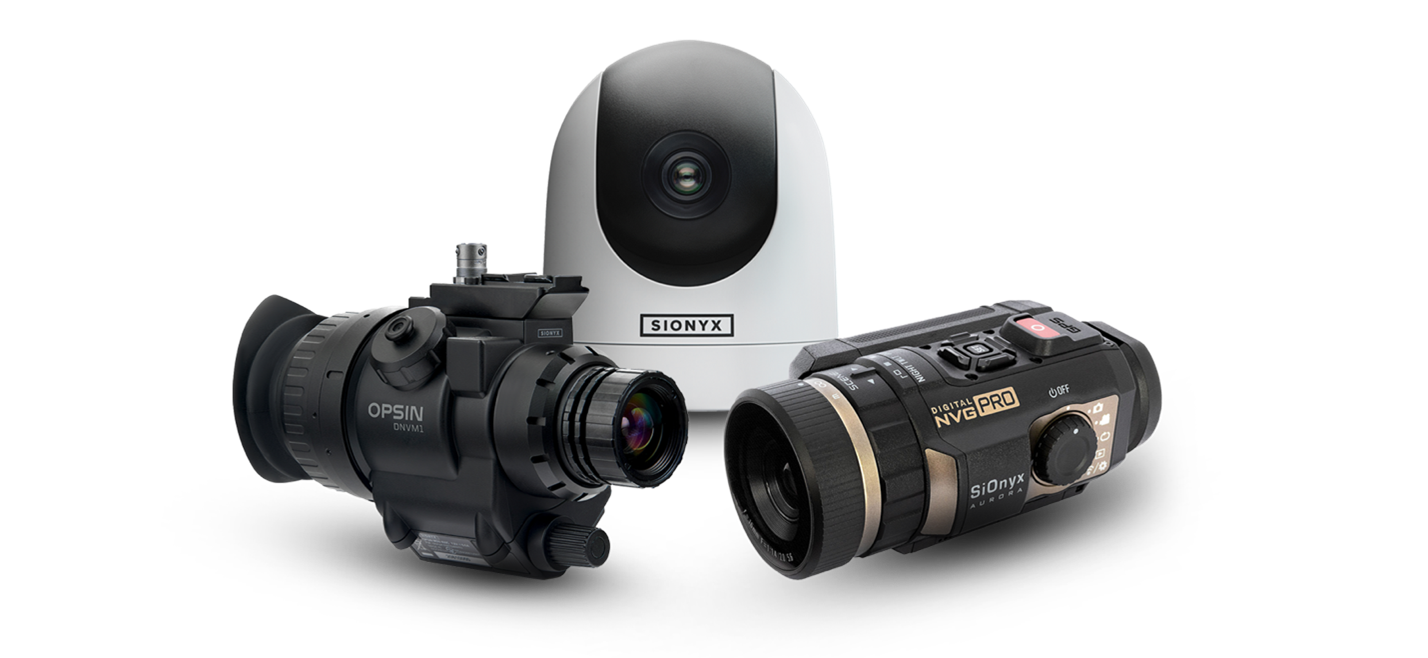
9. Leverage Technology. Use a night-vision monocular, thermal imaging, or radar systems to supplement natural vision when navigating in complete darkness or fog. BoatTEST has tested the SiOnyx monocular and has found it to be an outstanding enhancement to night vision.
10. Maintain a Clean Windshield. Keep your windscreen and other viewing areas clean and free from smudges, salt, or debris, which can scatter light and reduce visibility.
Following these guidelines should make your night ventures on the water more enjoyable and less stressful. Or, you can always get an eye patch!

Capt. Gregg Clark is a test captain for BoatTEST. He holds a 200 GT master license and has boating and yachting for 40 years. He owns a 56’ Vicem and is co-owner in a 40’ high-performance racing sailboat. He can be reached at [email protected].
Want To Be Featured Alongside Capt Gregg and our other Test Captains?
If you have a captivating story about what you learned from that boating moment, we want to hear it! Share your "I learned about boating from that..." tale with us, and it could be featured in our popular weekly column. Send your story, along with a high-quality photo if possible, to [email protected]. Your experience might just inspire, entertain, and enlighten our community of fellow boating enthusiasts! Don't miss this opportunity to see your name in print and share your unique perspective on the incredible world of boating.
Want to tell us your story through social media? We'd love to hear from you there, too! Share your boating insights and learning moments with us on your favorite platform, using #ILearnedAboutBoatingFromThat, tag us, and we'll share your wisdom with our online community. We can't wait to hear how the water has shaped your life!