Inboard Engines: Far From Sunset, the Sector Enters a New Phase of Innovation
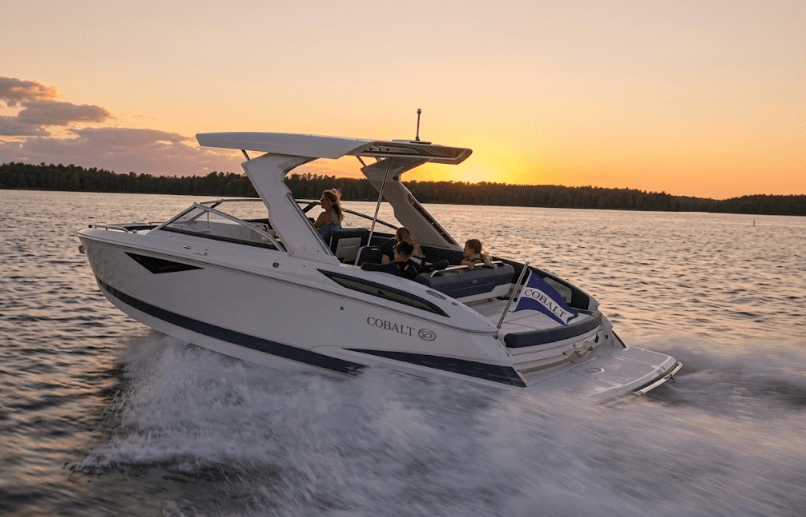
Advances in Internal Combustion Technology are Underpinning a New Generation of Inboard Engines and Outdrives, Even as the Sector Pursues Hybrid and Electric Alternatives.
An emphasis on new lines of business – such as expanded military contracts and backup power solutions for data centers – has dominated recent press releases from major inboard engine brands. At a glance, this could suggest limited activity in the recreational boating space. In reality the opposite is true, with core marine engine development continuing alongside these adjacent growth areas. Rather than a segment ready to sail off into the sunset, the inboard engine sector is enthusiastically greeting the dawn of a fresh, new day.
Development and investment across the recreational marine sector remain robust, reflected in a steady stream of product launches at winter boat shows worldwide. While these innovations may lack the headline appeal of large-scale infrastructure projects, advances in internal combustion engine (ICE) technology continue to deliver meaningful gains in efficiency and emissions reduction. This progress is unfolding in parallel with sustained investment in battery-electric platforms, hybrid systems and alternative fuel solutions, as manufacturers seek to balance performance with evolving regulatory, industry and consumer expectations.
Higher Horsepower, Lower Emissions
In high-horsepower applications, manufacturers are expanding the envelope by delivering exceptional power output alongside lower fuel consumption and ultra-low emissions, a combination that would have seemed improbable just a decade ago. These gains are increasingly being achieved without compromising reliability or service intervals, a key consideration for both OEMs and end users.
Flexibility in the Mid-Range Market
In the mid-range segment, versatility is a defining theme. New engines increasingly support biodiesel or HVO and are offered in multiple drivetrain configurations, including shaft, sterndrive and sail drive options, providing greater flexibility across vessel types and use cases, as well as simplifying integration for boat builders.
Hybrid Innovation in Watersports
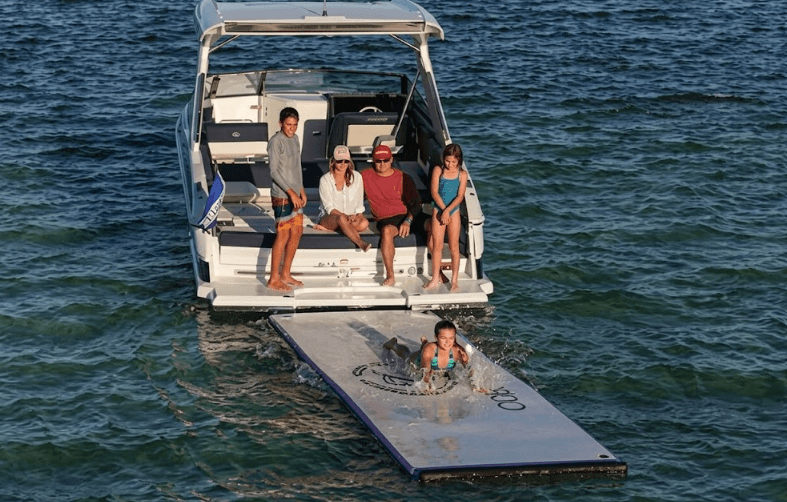
In the watersports tow boat segment, hybrid and low-emission propulsion systems are supporting both market growth and product differentiation. These platforms are also enabling tighter integration with digital ballast, speed control and rider experience systems, which have become central to product positioning. Across all segments, enhanced integration – spanning digital controls, onboard connectivity and increasingly intuitive human-machine interfaces – is reshaping how users interact with their vessels, while also improving diagnostic capability and lifecycle management for operators and dealers.
Market Outlook Remains Positive
What’s clear is that the inboard internal combustion engine is not going away anytime soon – a reality that’s likely to resonate across the leisure marine value chain, and particularly among stakeholders invested in its continued evolution.
Attention across the industry remains firmly fixed on the US, as the world’s largest recreational boating market and the one facing increasing volatility amid mounting trade uncertainty and broader macroeconomic pressure. As the impact of President Donald Trump’s tariff policies begins to weigh on consumer confidence, the US economic outlook remains mixed. Recent data from the National Marine Manufacturers Association (NMMA) indicate that US boat sales gained momentum in the second half of 2025 following a slow start, with some segments recovering more quickly than others.
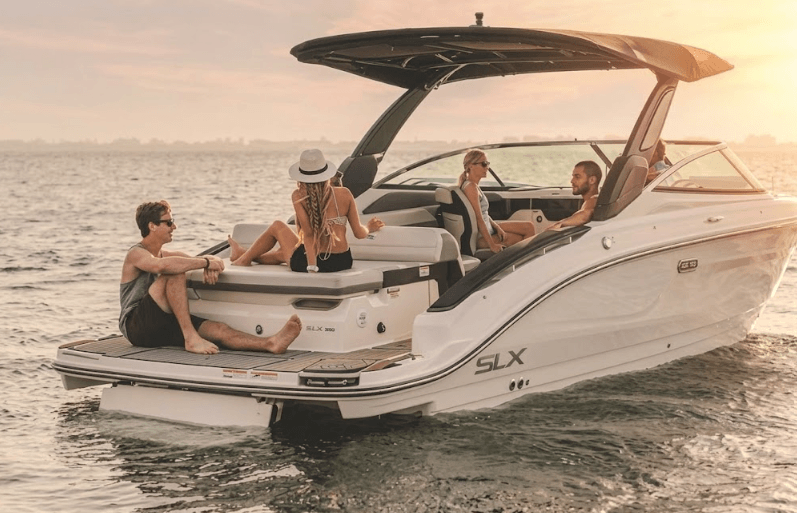
For 2026, NMMA expects boat sales to be broadly flat to slightly higher year-over-year, driven in part by sustained demand in the premium segment – including the day boats, yachts and watersports tow boats that are most closely aligned with inboard propulsion.
This cautiously optimistic outlook is echoed by marine engine manufacturers, many of whom told IBI they anticipate modest but meaningful growth in 2026. Confidence is evidenced by new product introductions, continued innovation and a sustained focus on performance, efficiency and user experience, alongside incremental gains in manufacturing efficiency and supply chain stability.
What’s Next for Inboards?
Quite a bit, it seems, as engine builders continue to priorities development at the core of the market, with innovation increasingly focused on incremental efficiency gains, multi-fuel readiness and deeper system integration across vessel platforms.