Lessons from the 2024 Newport Bermuda Race
A Boat Owner's Guide to Staying Afloat
The sea is an unpredictable mistress, and even the most seasoned sailors can find themselves in a precarious situation. A recent investigative report from the Bermuda Race Organizing Committee (BROC) highlights this fact, providing crucial insights from the loss of two offshore yachts during the 2024 Newport Bermuda Race. While these incidents happened during a high-stakes competition, the lessons learned are invaluable for every recreational boater.
The Perfect Storm: A Convergence of Factors
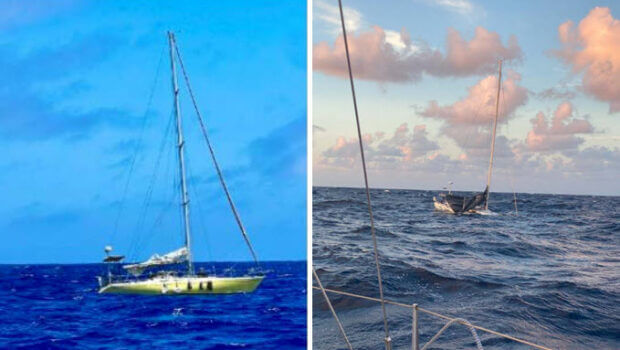
The 2024 Newport Bermuda Race, which began with 162 vessels, was met with a formidable challenge: strong winds and steep seas caused by a southerly-flowing meander in the Gulf Stream. Of the 14 vessels that retired from the race, two—the "Gunga Din" and "Alliance"—were lost.
The report, a collaborative effort by a team of experts including James D. Phyfe, III, and David Pedrick, among others, emphasizes that no single factor was to blame for these sinkings. Instead, it was a "convergence of factors," a critical lesson for any boat owner.
The Story of the "Gunga Din": The Importance of Documentation
The sinking of the "Gunga Din" (a Sweden Yachts 41) was a sobering reminder of the importance of meticulous vessel documentation. The investigation suggests that the loss of this yacht might have been prevented if prior modifications had been properly documented, inspected, and understood by all parties involved.
This is a key takeaway for recreational boaters. Whether you’re buying a used boat or making alterations to your current one, a detailed history of the vessel's modifications and repairs is essential. A simple-looking change can have a ripple effect on a boat's structural integrity. Always ensure that any work is done by a qualified professional and that it is well-documented.
The "Alliance" Incident: Don't Overlook Structural Integrity
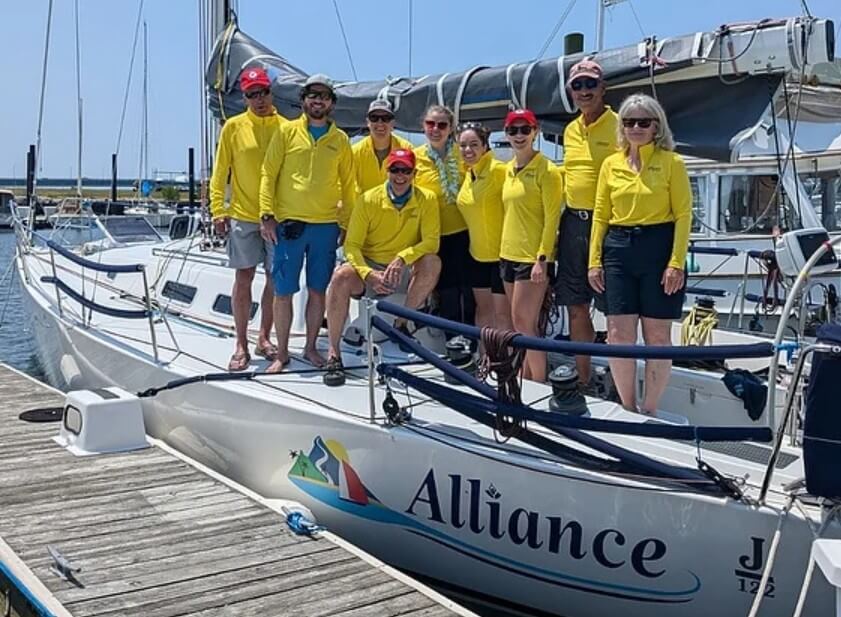
The loss of the "Alliance" (a J/122) was a different story, traced back to a catastrophic structural failure in the upper rudder bearing area. The report's authors, with support from J/Boats, concluded that external forces may have contributed to the failure. Regardless of a potential impact, the structural failure was the fatal flaw.
For the everyday boater, this underscores the need for regular and thorough inspections, particularly of critical components like keels and rudders. Small cracks or signs of wear can escalate into a major disaster. It is always better to be proactive with maintenance than to be reactive in an emergency.
Sharing the Responsibility for Safety
As James Phyfe, the lead of the review committee, stated, "Responsibility for a vessel’s structural integrity is shared among owners, builders, designers, and surveyors." This sentiment rings true for every boater. While you may not be a professional racer, you are the captain of your vessel, and its safety is your ultimate responsibility.
The report's findings have led to new safety requirements for the 2026 Newport Bermuda Race, including a mandatory keel and rudder inspection. This new rule is a strong indicator of how seriously the sailing community views these issues, and it’s a practice all boat owners should consider adopting.
Beyond the Race: Practical Tips for Every Boater
Here are a few actionable takeaways from the report that every recreational boater should consider:
- Document Everything: Maintain a log of all modifications, repairs, and maintenance performed on your vessel.
- Conduct Regular Inspections: Pay close attention to structural components like rudders, keels, and bulkheads.
- Don't Ignore Small Issues: A small leak or a strange noise can be a symptom of a larger problem. Investigate it immediately.
- Stay Informed: Follow safety reports and guidelines from reputable organizations like US Sailing and the Cruising Club of America.
The unfortunate loss of "Gunga Din" and "Alliance" serves as a powerful reminder that preparation and vigilance are paramount on the water. By learning from the experiences of others, we can all become safer, more confident boaters.