Line on Prop: Disaster Averted in Tampa Bay
The Seconds That Count When Your Boat Stops in a Commercial Channel
When You Stop in the Wrong Place
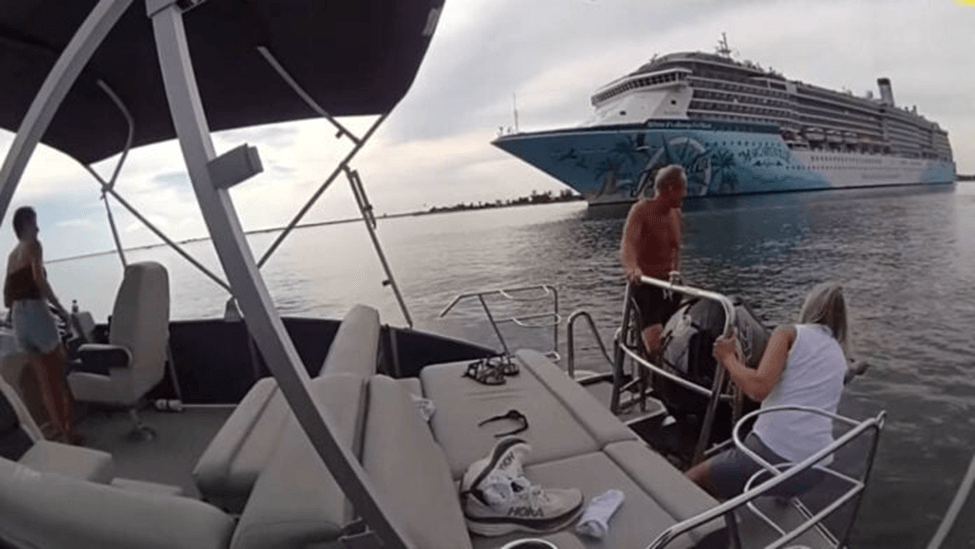
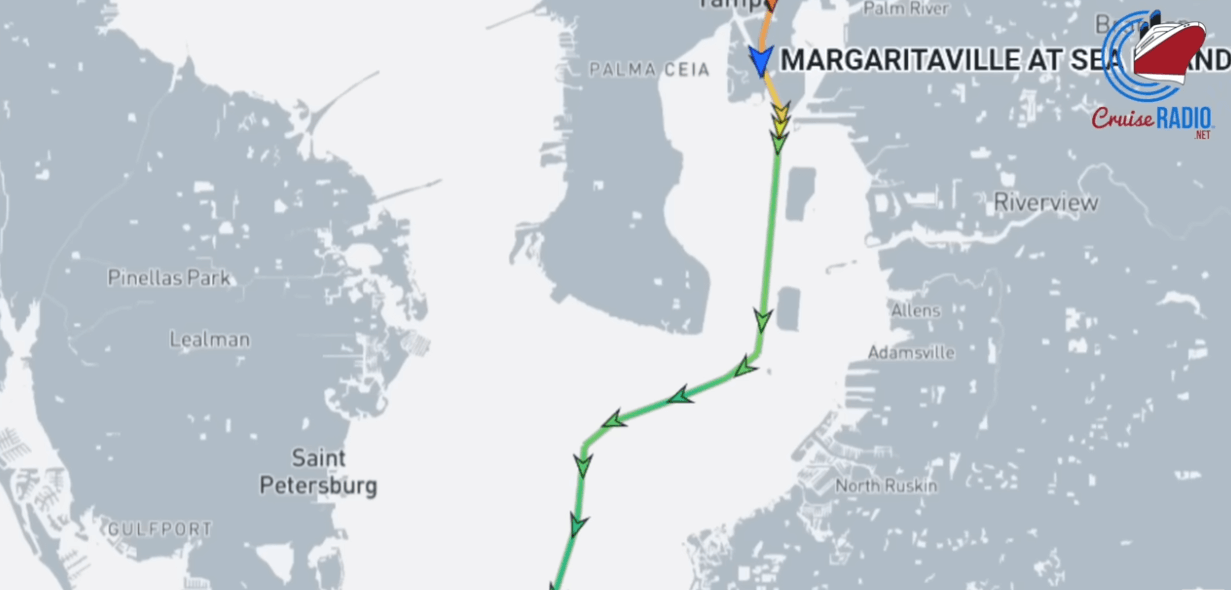
It’s one of those heart-stopping scenarios no boater wants to imagine: your engine suddenly quits, and you realize you are floating directly into the path of a massive cruise ship. That’s exactly what happened in Tampa Bay when a pontoon carrying six adults broke down just as the 85,000-ton Margaritaville Islander was setting sail.
The cause was simple, yet devastating: a line had wrapped around the propeller, completely disabling the boat.
Thank goodness the Hillsborough County Sheriff’s Office Marine Enforcement Section was nearby. They jumped into immediate action, performing an emergency tow to pull the pontoon out of the cruise ship's path as the huge vessel bore down on them. A catastrophe was averted thanks to their speed and skill.
This dramatic close call delivers two non-negotiable safety lessons for every recreational boater:
1. Respect the Running Gear (and the Channel)
The core problem was entirely preventable. A floating line was sucked into the prop, stopping the boat dead.
- Stow Everything: Before you start your engine, check the deck. Every single line, rope, or towable must be secured and well clear of the water. A line in the water means an almost guaranteed engine failure.
- Know the Rules: Commercial channels are highways for giants. Cruise ships and freighters have the right-of-way and cannot stop or turn quickly. Your small vessel must stay clear and maintain awareness at all times. Being disabled in the channel puts everyone—the people on your boat and the thousands on the ship—at risk.
2. Be Ready for Immediate Failure
When an engine fails, you lose steering and propulsion instantly. You need tools to deal with the drift:
- The Anchor: If you break down outside of the main channel, your anchor is your immediate lifeline. Have it ready to drop immediately to stop your drift and stabilize your boat.
- VHF Radio: You must have a working, charged VHF radio to call for help. A quick distress call is crucial to alert authorities and nearby vessels that you are dead in the water and a potential hazard.
The deputies who executed that tow were heroes, but the real takeaway is that their heroism was needed because a simple safety rule was overlooked. This incident is a sharp reminder that vigilance and preparation are the best safety equipment money can buy.
Want to read about more close calls? Click here to see our weekly accident report and gain access to the archives.