Megayachts of Ancient Egyptians
The Sunken "Thalamagos": A Rare Roman-Era Luxury Vessel Emerges Near Alexandria
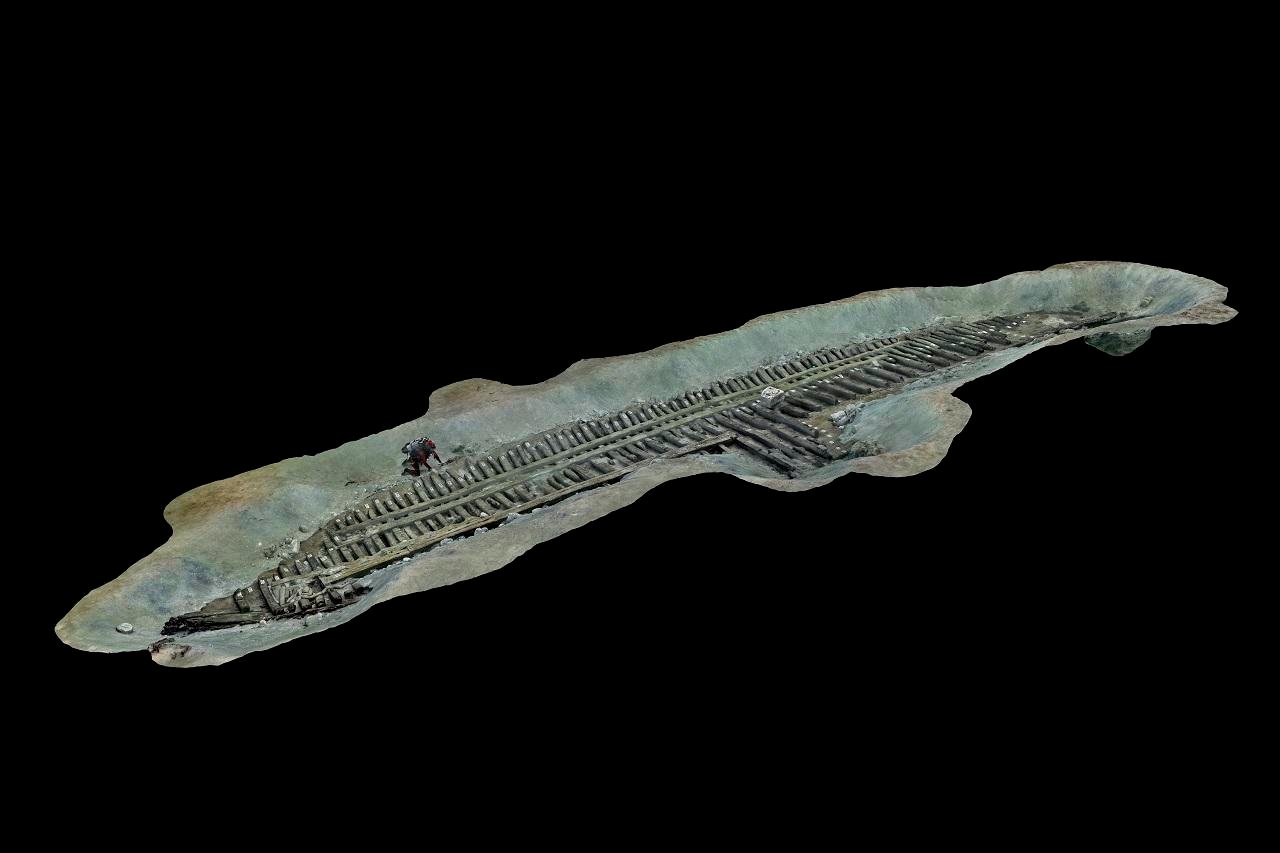
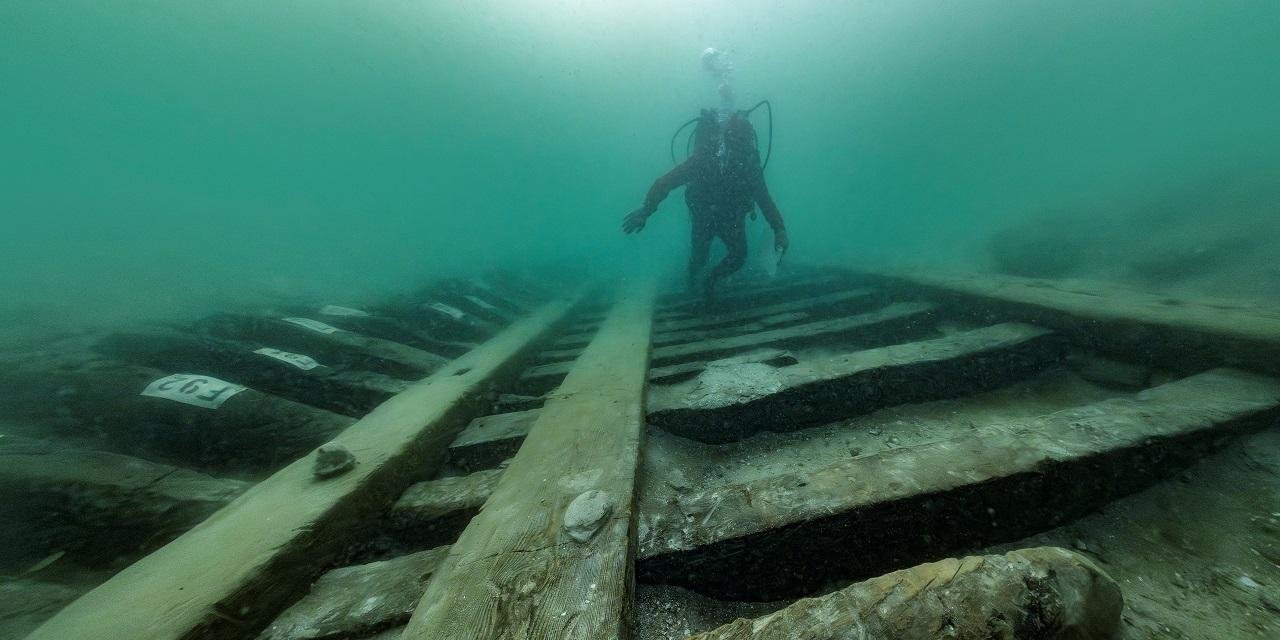
In a major breakthrough for maritime archaeology, researchers have uncovered the remains of a 2,000-year-old "pleasure barge" submerged off the coast of Alexandria, Egypt. Found resting near the underwater ruins of the Temple of Isis, the vessel offers a rare physical link to the opulent lifestyles and religious ceremonies of the early Roman period in Egypt.
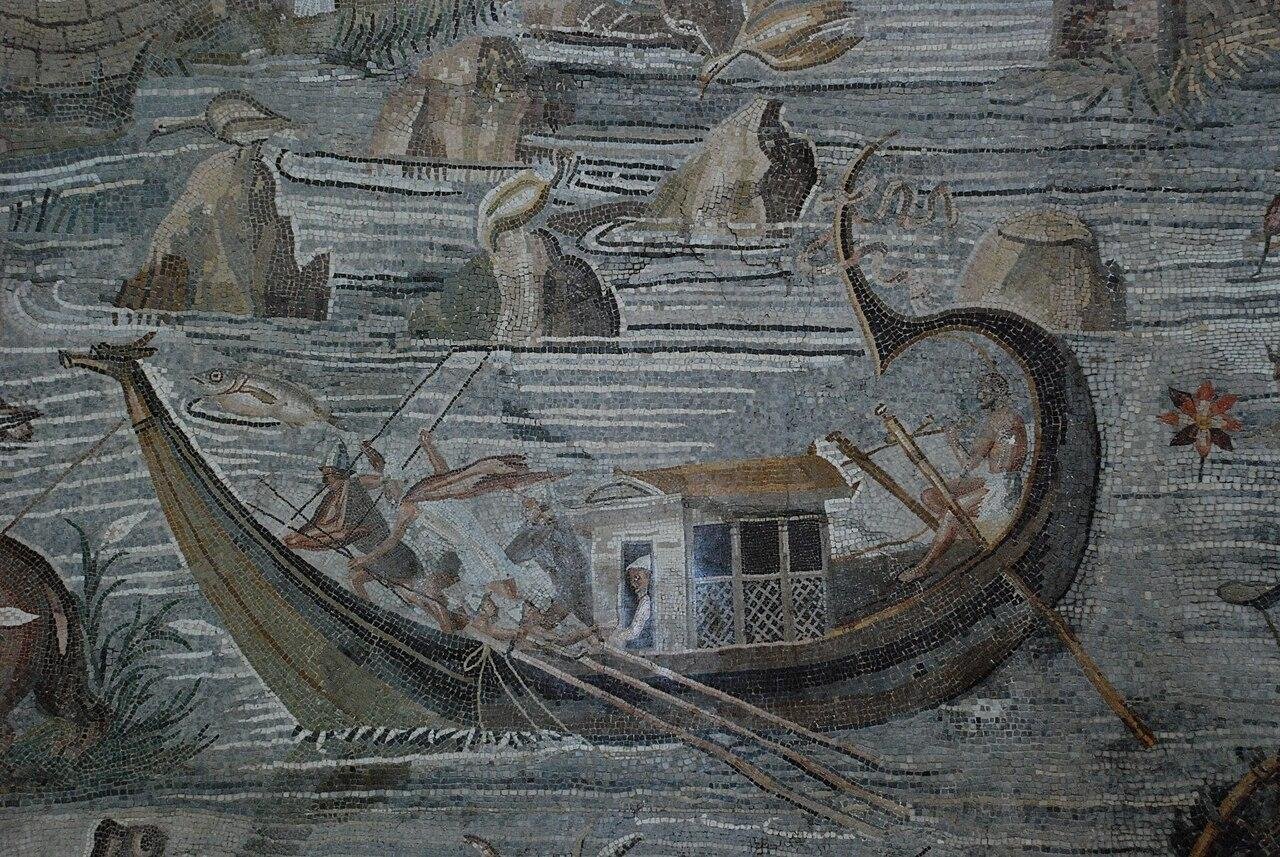
This discovery is particularly significant because it matches historical descriptions of a thalamagos—literally a "cabin carrier." While ancient texts and mosaics have long depicted these floating palaces, this find represents the first time a physical wreck of this type has been identified.
A Floating Palace in the Great Harbor
The vessel was located by the European Institute for Underwater Archaeology (IEASM), led by Franck Goddio. It was found beneath seven meters of water and 1.5 meters of sediment near the submerged island of Antirhodos, once a central part of Alexandria’s Portus Magnus (Great Harbor).
Key Specifications of the Wreck:
- Dimensions: Approximately 35 meters (115 feet) long and 7 meters (23 feet) wide.
- Design: Features a flat bow and a rounded stern, a unique configuration designed to navigate extremely shallow coastal waters and canals.
- Capacity: Likely required more than 20 rowers and featured a central, luxuriously decorated pavilion or cabin.
The Greek historian Strabo, who visited Alexandria between 29 and 25 BC, wrote vividly of these ships. He described the elite of the city using them for excursions along the canals, noting that "every day and every night is crowded with people on the boats who play the flute and dance."
Ritual or Recreation?
While the boat fits the description of a pleasure craft, its proximity to the Temple of Isis suggests it may have served a higher purpose. Archaeologists believe the ship might have been a sacred barge used in the Navigium Isidis, a grand annual festival dedicated to the goddess Isis, the protector of the sea.
During these ceremonies, a richly decorated vessel representing the "solar barque" of the gods would be processed through the harbor. The barge may have been caught in the catastrophic destruction of the temple around AD 50, an event likely caused by a massive earthquake and subsequent tidal waves that eventually claimed much of Alexandria’s ancient coastline.
"It’s a type of ship that’s never been found before," says Prof. Damian Robinson of the Oxford Centre for Maritime Archaeology. "While we can read about cabin-boats in ancient texts... it’s phenomenal to have the archaeological correlate."
Research and Preservation
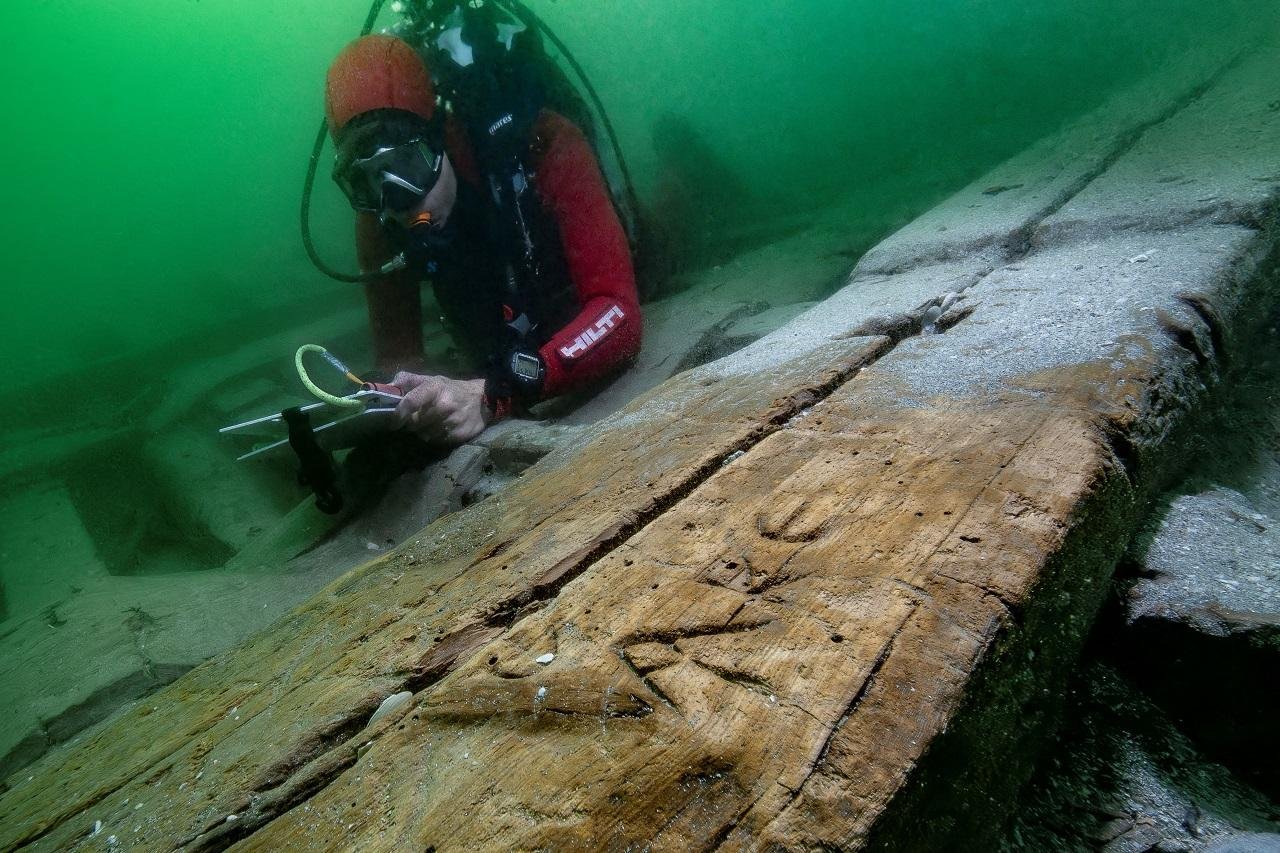
The excavation team has utilized digital photography to create a detailed 3D model of the wreck. One of the most intriguing finds on the vessel is Greek graffiti scrawled onto the central carling. While the text has yet to be fully deciphered, it is expected to provide further clues about the ship’s origins and the people who sailed it.
In accordance with UNESCO regulations for underwater cultural heritage, the wreck will remain on the seabed rather than being raised. This ensures the preservation of the timbers in their natural environment while allowing archaeologists to continue their study in situ.
Visual Insights
Below are historical and geographic references related to the discovery:
| Feature | Description |
| Location | The Portus Magnus (Great Harbor) of Alexandria, Egypt. |
| The Era | The transition from the Ptolemaic Dynasty (Cleopatra VII) to Roman rule under Augustus. |
| Historical Evidence | Descriptions by Strabo and depictions in the Palestrina Mosaic. |