New Bahamas Boating Fees Set to Impact Your Cruising Plans
Boaters planning a trip to the beautiful Bahamian islands need to be aware of significant changes to the fee schedule for both recreational and commercial vessels, set to take effect on July 1, 2025. These new regulations, enacted under the Port Authorities (Amendment) Bill, introduce substantial increases in existing fees and new charges that will impact the cost and logistics of boating in the Bahamas. BoatTEST urges all readers to familiarize themselves with these changes to avoid unexpected expenses and ensure a smooth Bahamian experience.
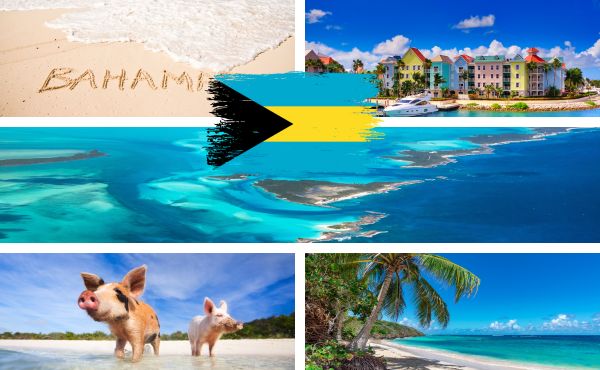
A Breakdown of the Changes: What You Need to Know
The Bahamian government's new fee structure brings a comprehensive overhaul to how foreign vessels are charged. Here's a detailed look at the key changes:
1. Increased Cruising Permit Fees: The most impactful change for many will be the sharp increase in cruising permit fees. These permits, essential for foreign vessels entering Bahamian waters, will now be assessed each time a vessel enters and will be valid for 90 days (though some sources indicate 12 months for certain fees, implying a possible tiered system or an evolution of the bill). After this period, vessels will be required to pay the same fees again to re-enter.
- Vessels up to 34 feet: The fee will increase by 67%, from $300 to $500.
- Vessels from 34 to 100 feet: Fees will double, from $500 to $1,000.
- Vessels over 100 feet: These larger yachts will be subject to a $3,000 fee.
2. New Fishing Permit Fee: Previously, fishing permits were often included with cruising permits for many vessels. Under the new regulations, fishing permits will now incur an additional, separate charge:
- Boats not exceeding 34 feet: $100
- Boats exceeding 34 feet: $300
3. Introduction of Overnight Anchoring Fees: A significant new charge is the introduction of fees for overnight anchoring in Bahamian waters outside of a licensed marina. This is a considerable change for long-term cruisers and charter operators who prefer to anchor.
- Vessels not exceeding 34 feet: $200
- Vessels exceeding 34 feet but not exceeding 100 feet: $350
- Vessels exceeding 100 feet: $1,500
4. New Passenger Tax: A per-passenger tax will now be levied, impacting charter companies and those traveling with larger groups.
- $30 for each passenger over the age of six, after the first three passengers on board.
5. Mandatory AIS Transponder Requirement for Larger Vessels: To enhance maritime safety and tracking, a new regulation mandates that:
- All vessels measuring 50 feet or more must be outfitted with a working Automatic Identification System (AIS) transponder while navigating Bahamian waters, including when at anchor. Non-compliance can result in a fine of up to $1,000.
6. Frequent Digital Cruising Card (FDCC): For repeat visitors, a new "Frequent Digital Cruising Card" (FDCC) has been introduced. This card, valid for two years, is designed to streamline the entry process and allow for unlimited entries within that period. While it offers convenience, the upfront cost is significant:
- Vessels not exceeding 34 feet: $1,500
- Vessels exceeding 34 feet but not exceeding 100 feet: $2,500
- Vessels exceeding 100 feet: $8,000
(Note: Some sources indicate FDCC pricing for vessels over 100 feet is "not yet specified," but other reliable sources list $8,000. Boaters should verify the latest official information.)

What This Means for Frequent Boaters
These sweeping changes will undoubtedly impact frequent boaters. While the FDCC offers unlimited entries over two years, the substantial upfront cost might deter those who make shorter, less frequent trips. For those who visit the Bahamas multiple times a year, especially on larger vessels, the FDCC could prove to be more cost-effective in the long run, despite the initial sticker shock.
However, the increased cruising permit fees for shorter stays, the new fishing permit charge, and particularly the overnight anchoring fees, will add considerably to the overall cost of a Bahamian boating vacation. This could lead to:
- Reduced spontaneity: Boaters may be less inclined to make quick, unplanned trips.
- Shorter stays: The new anchoring fees might encourage boaters to stay in marinas more frequently or shorten their overall time in Bahamian waters to mitigate costs.
- Budget recalculations: Many will need to adjust their travel budgets significantly.
- Potential shift in destinations: There are concerns within the industry that these increased costs could prompt some boaters to seek alternative cruising destinations.
Where Does the Fee Money Go?
While specific, detailed breakdowns of how every dollar from these new fees will be allocated are not publicly available, the Bahamian government has stated that the increased fees are aimed at:
- Improving maritime safety: The mandatory AIS requirement for larger vessels is a clear step towards this, and the revenue from fees is expected to support related infrastructure and enforcement.
- Protecting marine environments: The Bahamas relies heavily on its pristine natural beauty for tourism. It is anticipated that a portion of these funds will be directed towards conservation efforts, environmental protection initiatives, and sustainable management of their marine resources. The new anchoring fees, in particular, are stated to help fund infrastructure and environmental protection efforts.
- Streamlining and modernizing maritime processes: The introduction of the Frequent Digital Cruising Card (FDCC) and other digital initiatives suggests an investment in improving the efficiency of entry and tracking for visiting vessels. Funds will also cover customs officer travel and attendance.
- General revenue for national development: Like many government fees, a portion of the revenue will likely contribute to the general treasury to support various national development projects and public services.
The implementation of these fees has sparked concern and "boater backlash" within the marine community, with reports of marina cancellations. The boating industry, including the Association of Bahamas Marinas (ABM), has expressed worries about the timing and lack of clear communication surrounding these changes, emphasizing the need for a balance between revenue generation and maintaining the Bahamas' appeal as a top boating destination.
BoatTEST will continue to monitor the situation closely and provide updates as more information becomes available. We strongly advise all our readers to consult the official Bahamas Customs and Port Department websites for the most up-to-date and authoritative information before planning their next trip.
Want help preparing for you next trip to the Bahamas? Read this article from Mercury Marine.