New PFD Regulations - A Guide to 2025 Changes for Boaters
Understanding the New PFD and Life Jacket Regulations
To improve water safety and decrease preventable drownings, regulators have updated PFD rules. By focusing on comfort and ease of use, these updated rules aim to get more people to wear life jackets consistently. The goal is to make on the water activities safer by aligning regulations with user-friendly designs and straightforward guidelines.
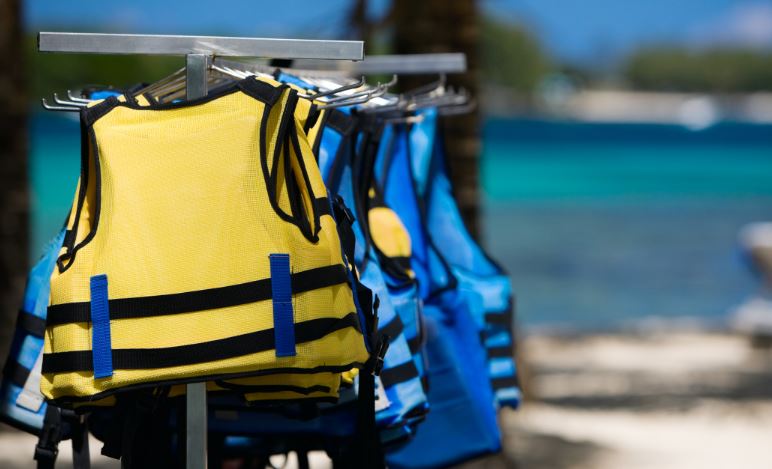
The Evolution of PFD Standards
For years, the U.S. and Canada had different systems for classifying PFDs. The U.S. used a "Type" system (like Type II or Type III), while Canada differentiated between PFDs and life jackets. This often led to confusion for boaters and manufacturers.
In the mid-2000s, the U.S. Coast Guard and Transport Canada began working together to create a unified system. This effort resulted in the harmonized Level 70 standard in 2018, allowing a single approval label for PFDs in both countries. This was a major step toward simplifying personal flotation device requirements across North America.
Key 2025 PFD Regulation Changes
A significant rule change is coming from the U.S. Coast Guard in 2025. Key points include:
- No New "Type" Approvals: While existing PFDs with "Type" labels are still valid, no new Type classifications will be issued for devices entering the market. This is a notable shift for both manufacturers and boaters.
- Level 50 Approved: The U.S. Coast Guard now approves Level 50 PFDs in addition to Level 70. To meet legal carriage requirements, Level 50 devices must be worn while on board.
- Level 100 for Commercial Use: These devices are specifically approved for commercial use and are designed to keep a person's head and airway protected while in the water.
What the New Regulations Mean for Boaters
The new system moves away from a user's size and focuses on buoyancy levels based on skill, environment, and expected rescue time. This is a major change in personal flotation device requirements.
- Approval vs. Performance: The U.S. Coast Guard and Transport Canada ensure devices meet minimum legal standards, but they don't specify which PFD is best for specific activities like kayaking, sailing, or fishing. That responsibility falls on manufacturers, retailers, and the user.
- Buoyancy Levels and Use: Level 50 (L50) devices are ideal for swimmers and focus on mobility and comfort, while Level 70 (L70) offers more buoyancy for tougher conditions. However, the actual buoyancy, measured in Newtons, can vary greatly within each level. For example, a PFD approved as L70 might provide 190N of buoyancy, far exceeding the minimum requirement.
This means you must consider your specific needs—such as activity type, water conditions, and personal comfort—when choosing a PFD. While regulations ensure baseline safety, selecting the right device for the right environment is crucial.
How to Choose the Right PFD
When selecting a PFD, keep the following factors in mind to ensure safety and compliance with personal flotation device requirements:
- Type of Activity: Kayaking, paddleboarding, fishing, or sailing? Each activity calls for a PFD that balances comfort and mobility differently.
- Buoyancy: Select either Level 50 or Level 70 depending on your required level of flotation. Use the icons to identify suitable activities—like tow sports, PWCs, tubing, or whitewater paddling. A slashed circle over an icon means the PFD is not suitable for that use.
- Sizing and Feel: Make sure your PFD or life jacket fits snugly and allows for proper movement.
- Safety: Consider PFDs with additional support for airway protection, which is crucial in rough or open waters where a person might become unconscious.
Stay informed about the latest water safety standards. By understanding the new personal flotation device requirements and choosing the right PFD, you can make a huge difference in staying safe on the water.