Plastic-Eating Fungi Could Tackle the ‘Plastisphere’
Hundreds of new species of fungi that thrive on munching plastic may hold the answer to a layer of man-made pollution called the ‘Plastisphere’.
Microplastics and other forms of plastic pollution are an increasing threat to our marine ecosystem, especially in sensitive areas such as salt marshes. However, a team of researchers at the UK’s Royal Botanic Gardens in Kew has discovered a diverse microbiome of plastic degrading fungi and bacteria that might – literally - eat away at the problem.
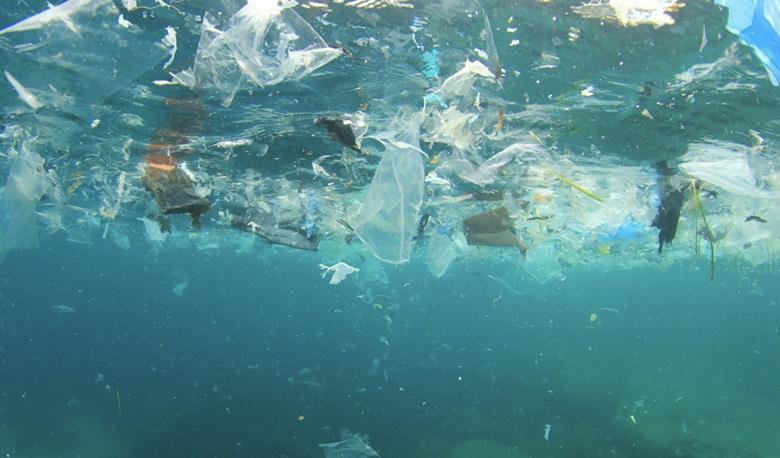
A study published in The Journal of Hazardous Materials reports that an international team of scientists has identified a total of 184 fungal and 55 bacterial strains that can break down polycaprolactone (PCL). This is a biodegradable polyester commonly used in the production of various polyurethanes. Better news still is that two of the bacterial strains can possibly further degrade other petroleum-based polymers, either natural or synthetic molecules, that have been bound together to form a material.
The samples were taken from a newly discovered ‘terrestrial plastiphere’, described as a man-made ecological niche of coastal plastic debris that is differentiated from soil. Until now, most of the focus has been on the marine environment, but the plastisphere was discovered during the research in the salt marshes of Dafeng in eastern China.
With the world producing ever greater quantities of plastic waste – currently around 400 million tons a year according to the United Nations Environmental Programme (UNEP) -some kind of natural solution is needed. Past research has already recognised the potential for microorganisms to take on this role, and a study in 2017 found a strain that was actively at work at a landfill in Islamabad, Pakistan.
Aquatic microplastics have a long life and a hydrophobic surface, so tend to form a kind of ‘microbial reef’ as they float around the oceans. This gives the fungi and bacteria something to attach to, whilst also providing a food source.
Dr Irina Druzhinina, Senior Research Leader in Fungal Diversity and Systematics at RBG Kew, says: ‘Microbiologists across the board feel responsible for finding solutions to the ecologically friendly treatment of plastic waste because bacteria and fungi will be the first organisms to learn how to deal with this new material. We have no doubt that microbes will figure out ways to effectively degrade plastic, but this may take thousands of years if we leave nature to run its course. That is why our task is to utilise the knowledge we already possess of microbial biology, to speed up and direct the evolution of microbes and their individual genes to do the job now.’
However, despite many recent exciting discoveries in this field, the authors of the study warn that our understanding of plastic easting bacteria is still in its infancy. Many ecological questions remain unanswered, but at least there is hope that the natural world can help dispose of this man made ‘plastisphere’ before it engulfs us all.