Powerboat Pre-Departure Check List
Planning a day trip out, weekend, or extended cruise means making sure all systems are ready and properly functioning before you set out and after your time away is done.
The last thing you need while away from your home dock is for something to go wrong. Your boat is a complex collection of numerous state-of-the-art systems, wiring runs, electrical connections, hoses, plugs, clamps, precision parts, and so much more all exposed to weather, salt water, vibration, temperature variations, among so many other influences not under your control. If you have an older boat, the chances of something aboard not working is quite likely, and you need to know that before you leave the dock.
In order to mitigate anything from a minor to a major problem or failure while underway, we’ve put together a checklist for you to use before setting out and after you return in the hopes this will bring you peace of mind as you throw your lines or secure them when done and thinking about where you will be going on your next trip.
20-Point Departure Checklist for Powerboats
1. Engines — Start & Warm Up
- If an inboard engine, check stuffing boxes for the drive and rudder shafts to make sure there is no excessive weeping
- For outboards, check to see if raw water is "peeing"
- For sterndrives, check bellows to make sure they are not leaking
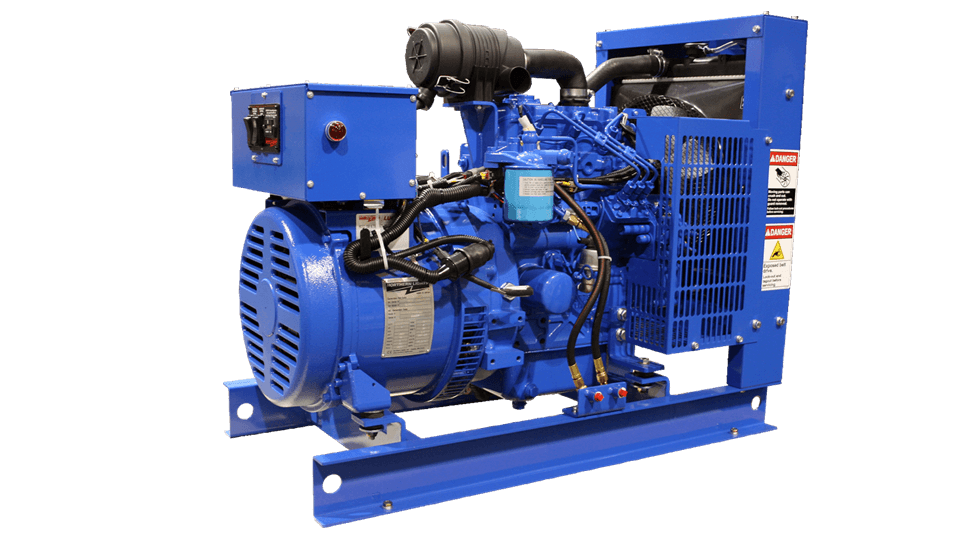
2. Generator(s)
- Check oil and water fluid levels
- Check through hulls and sea strainers
- Verify load distribution if powering house systems
3. Transmission & Throttles
- Check transmission oil level
- At the helm, confirm gear engagement (forward, neutral, reverse, Ensure throttles respond smoothly.
4. Shore Power — Disconnect Properly
- Power down systems before unplugging.
- Unplug from the shore source first
- Stow shore cord securely.
5. Battery Levels & Charger Status
- Confirm house and start battery voltages.
- If they are lead-acid batteries, check fluid levels
- Make sure batteries are snuggly secured and don't move
- Make sure the positive terminals are protected
- Make sure nothing can fall on the battery terminals when underway
- Ensure chargers are operating or set properly underway.
6. Bilge Pumps
- Test automatic and manual pump functions.
- Confirm no standing water.
- Check floats, if so equipped, for obstructions and clear if any are present.
- Re-test pumps to ensure proper operation.
- If you have a high-water alarm (you should), activate to make sure it is working
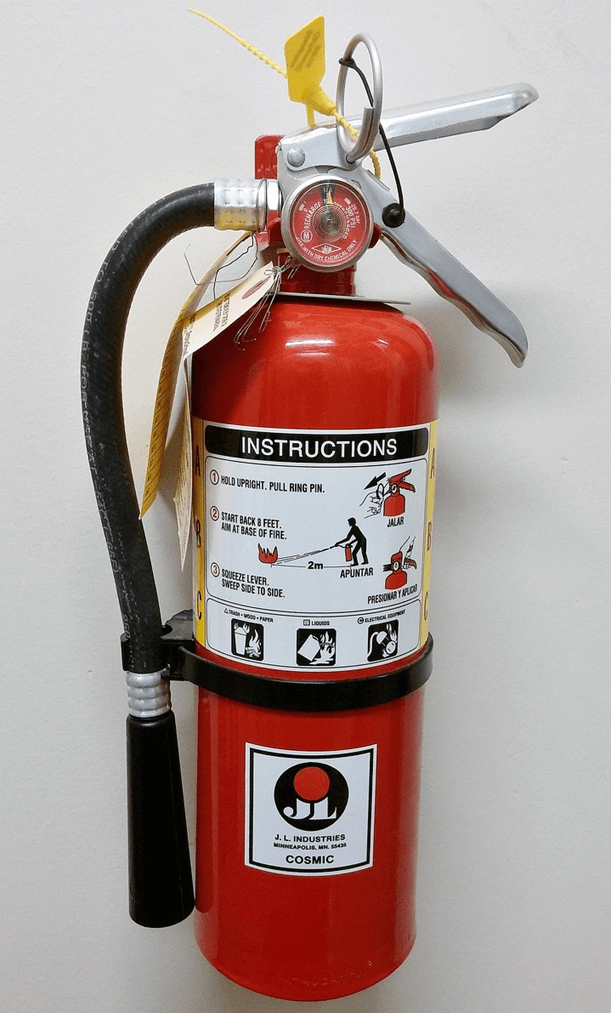
7. Fire Suppression Systems
- Verify pressure gauge in engine room systems.
- Confirm handheld extinguishers are in-date and accessible.
- Make sure everyone on board knows where they are and how to use them.
- Replace immediately if expired.
8. Fuel Levels
- Estimate range required for trip and make sure you have a 10% reserve
- Check for fuel odor or visible leaks. If you suspect any, call in your marina manager or mechanic before getting underway.
- For all boats with gas engines, sniff in the bilge and around the fuel tank for fuel vapors.
- Inspect the fuel line from the tank to make sure it is secure
- If you smell fuel, cancel you departure until the source can be found and repaired.
- For gas engine inboard boats, don't start the blower until you have performed the sniff test
9. Water & Waste Tank Levels
- Ensure sufficient fresh water for guests.
- Check blackwater and gray water tank capacities. Have them pumped out until empty.
- Instruct guest on the careful use of fresh water and explain how to take a "sea shower"
- Boats with Y-valves for black water must be sealed against overboard discharge
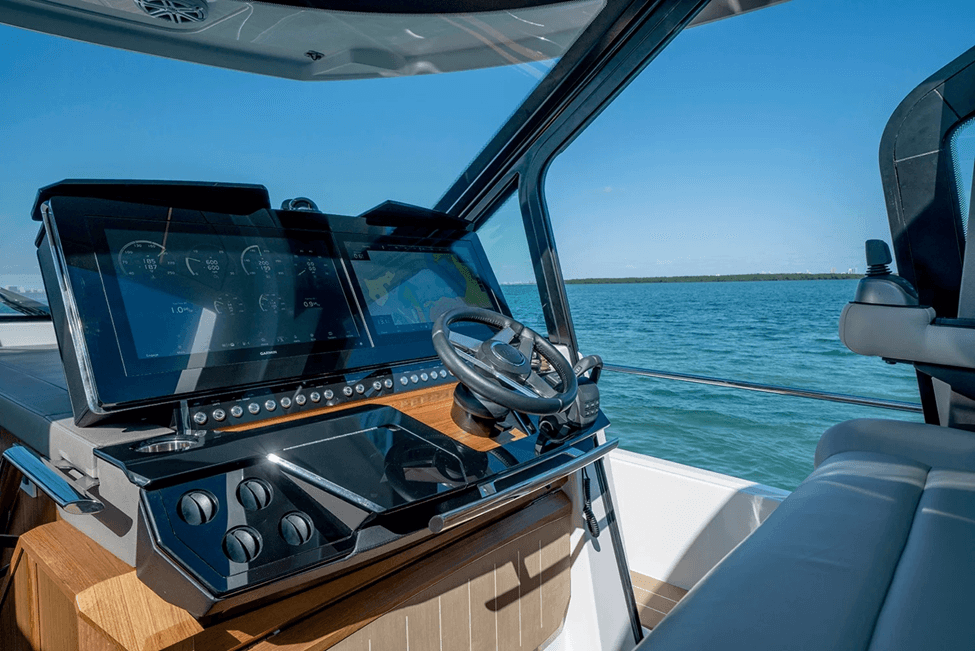
10. Navigation Electronics
- Power up chartplotter, radar, AIS, autopilot, depth sounder.
- Set waypoints or routes, if applicable, before leaving the marina.
- Re-familiarize yourself with the functionality of yor screen
11. VHF Radio
- Perform radio check (Channel 16 or local hailing frequency).
- Ensure handheld backups are charged.
12. Navigation Lights and Horn
- Test running lights, anchor light, and horn functionality.
13. Safety Gear Inventory
- Life jackets for all aboard (proper sizes).
- Throwable PFD ring properly rigged, up-to-date flares, whistle, EPIRB/PLB, and first aid kit.
- Make sure they are all easily at hand
14. Engine Room Visual Check
- Look for fuel, oil, or coolant leaks.
- Make sure the raw water sea strainers are clear
- Move raw water through hull valves to make sure they will close easily and hose clamps are in good repair
- Check oil and coolant levels to make sure they are adequate
- Check the amount of fuel aboard and make sure it is enough for your intended trip, plus a 10% reserve.
- If possible, check fuel filters for water and other contaminantsInspect belts, seacocks, thru-hulls, hoses and hose clamps. If any appear compromised in any way, have them replaced. Carry spare belts, hoses, and clamps.
- When inspecting seacocks and thru-hulls, looks for any signs of degradation, especially green or white residue or deposits around the fitting. This can be a sign of galvanic corrosion and can lead to failure and serious water intrusion while underway or at the dock.
- Make sure all signs required by the USCG are posted
15. Dinghy / Tender
- Verify tender (if any) is secure or fully raised.
- Check fuel level
- Look for fuel leaks
- Make sure bilge drain plug is in place.
16. Bow and Stern Thrusters
- Test for functionality and battery charge.
- Confirm joystick control (if installed) works.
17. Fenders and Lines
- Properly stow or secure all lines and fenders, immediately after departure.
18. Galley & Loose Gear
- Secure dishes, pots, or appliances.
- Latch drawers and hatches to prevent damage under way.
- Take an inventory of ships stores, guest food requests and allergies, and other necessary items for this particular trip.
19. Hatches & Doors
- Ensure all are closed and latched — especially engine hatch, portlights, and foredeck lockers.
20. Crew & Guest Briefing
- Explain roles for docking, anchoring, and emergency procedures.
- Review head use, safety gear, and boat motion expectations.
- Make sure all medications are properly stored, refrigerated if needed, and all know where they are and how to administer if necessary.
15-Point Dockside Shutdown Checklist for Powerboats
Getting home after a successful time out requires some time spent in making sure you are not only tied up securely but your boat is properly squared away, plugged into shoreside power, and safely shut down.
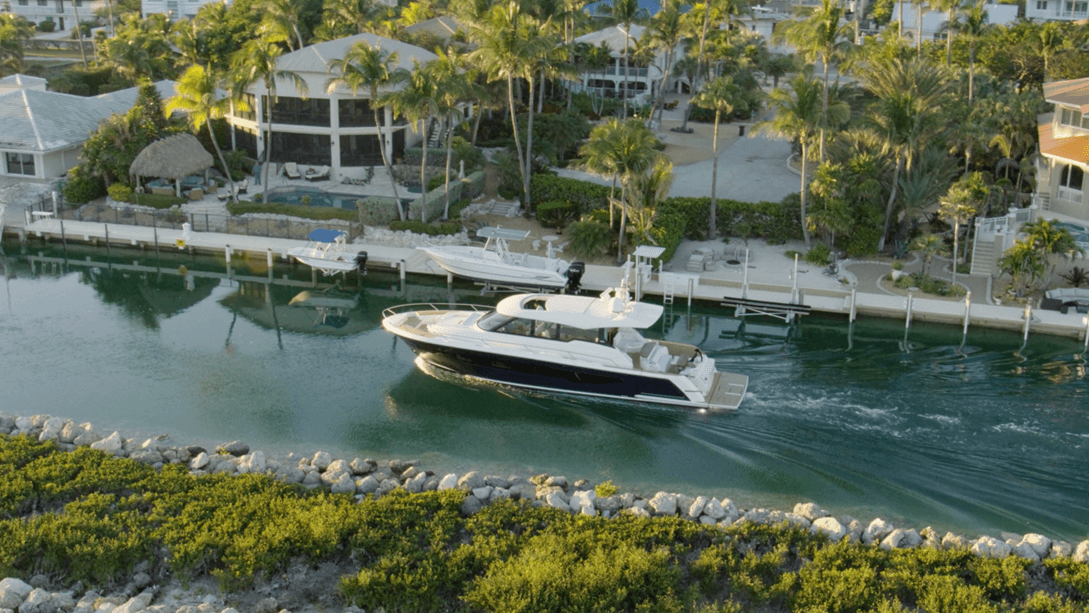
1. Secure Dock Lines, Adjust Fenders, Advise Crew
- Tie bow, stern, spring lines properly. They should all be in the same position they were when you left your home dock.
- Set fenders before entering the marina
- Arrange mooring lines in their proper places for immediate deployment
- Assign crew to appropriate locations
- Warn all guests NOT to fend off with their hands, arms or feet
- Check that fenders are protecting at the correct height and positions.
2. Place Transmissions in Neutral
- Ensure all controls are disengaged.
- Check controls are centered and synced if twin engines.
3. Shut Down Engines
- Allow to idle 3–5 minutes to cool.
- Monitor temperature and oil pressure as they stabilize before shutoff.
4. Reconnect Shore Power
- Plug in and verify voltage on panel.
- Confirm AC systems are functioning (air conditioning, refrigeration, etc.)
5. Check Battery Charger Status
- Confirm house/start bank chargers are ON and properly charging.
- Check inverter settings if applicable.
6. Shut Down Generator
- Unload all heavy AC loads before shutdown (e.g., A/C, oven).
- Allow it to run cool for 1–2 minutes before stopping.
7. Check Bilges and Pumps
- Look for unusual water, oil, or fuel.
- Confirm bilge pumps are in AUTO mode. Check to see if the bottom of the pumps are clear of any debris.
8. Turn Off Unnecessary Systems
- Water pumps, electronics, lights, and helm instruments.
- Leave on essentials like refrigerator, shore-powered battery chargers, or security systems.
9. Close Seacocks (As Needed)
- Close all raw-water intakes not required at dock (e.g., generator, A/C if off).
- Some captains leave A/C seacocks open if system is running on shore power.
10. Rinse Salt from Deck and Hardware, Flush Engines
- Quick freshwater rinse of rails, windows, and cleats.
- Wash hull and deck with biodegradable soap to help reduce oxidation to the gelcoat.
- Keeps salt from corroding fittings or damaging gelcoat. Wipe down with a shammy cloth.
- Flush raw water cooling systems with fresh water for 5 minutes; use Salt-Away
11. Empty Trash and Check Heads
- Remove trash to avoid odor and pests.
- Pump out holding tank
- Wash toilet bowls with disinfectant
12. Secure Loose Items and Close Hatches
- Stow loose cushions, towels, galley gear.
- Close all hatches, portlights, and doors to prevent leaks or damage.
- Secure any covers you may use to protect outdoor seating and furniture.
- For small boats, cover as much of the deck as possible with canvass to retard UV degradation
13. Log the Trip and Fuel Status
- Record engine hours, fuel use, maintenance needs. Keeping accurate records is of great help when planning regular preventive maintenance.
- Effective for routine service intervals and trip planning.
14. Schedule or Note Maintenance Needs
- List anything that broke, malfunctioned, or needs checking (bilge smells, navigation updates, etc.).
- Add items to your captain’s maintenance list or notify your service provider.
15. Lock Up and Set Security Systems
- Lock all exterior doors and companionways.
- Set alarms or motion detectors if installed.
While every boat is different, and no two owners or captains are the same, still, the attention to making sure everything is in readiness for being away from your home dock for anything from a day out to an extended period of time, is essential to not only enjoying your time on the water but to ensure safety while doing so. As they say with all maintenance issues, from painting to cleaning; 90% goes into preparation and 10% is scheduled for application.
Taking the time to make sure everything is squared away in the proper manner will go towards safeguarding you, your guests and crew, and your boat.