Pros and Cons of Different Superyacht Propulsion Systems
by Emily Dawkins
When it comes to superyachts, how are they powered? What enables them to cross oceans and explore the world? BOAT takes a closer look at the different propulsion systems available to superyachts – and how to choose the right one for you...
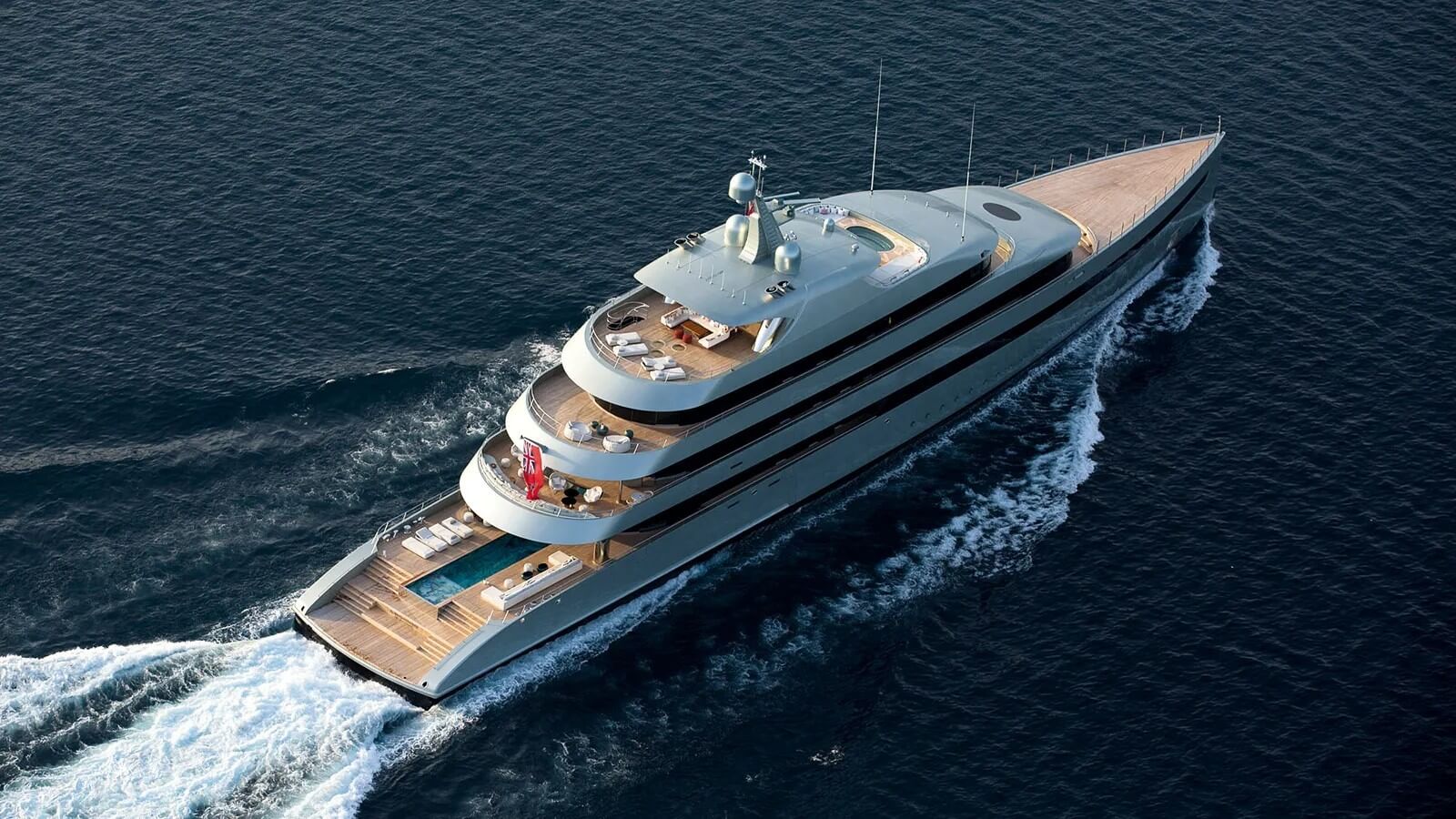
1. Conventional Diesel Propulsion
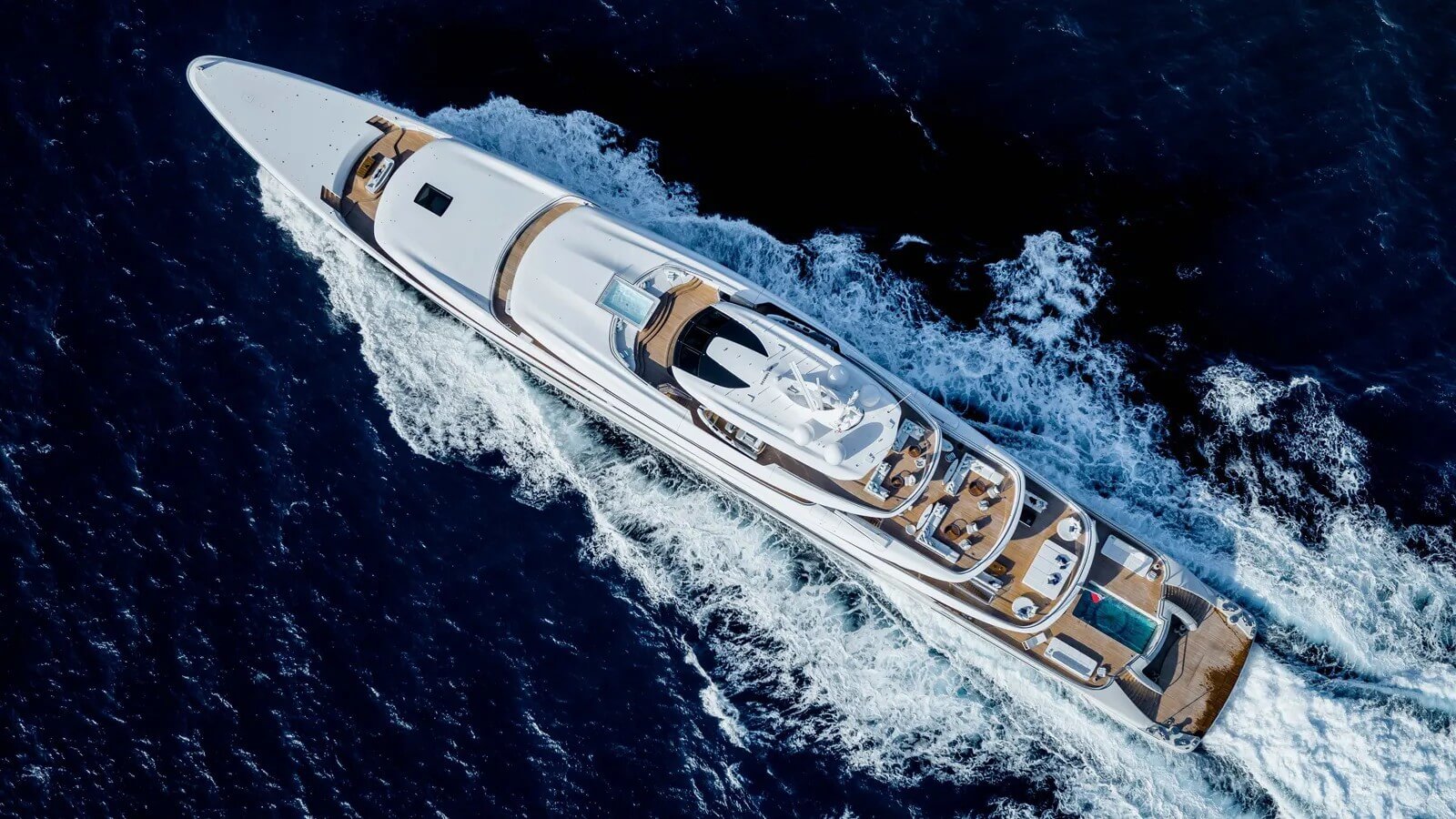
The most common propulsion system for superyachts is a diesel engine with a direct shaft drive. Diesel engines power direct-drive propellers through a shaft system, providing reliable and efficient long-range cruising capabilities. Some of the engine brands frequently fitted on superyachts include Caterpillar, MTU, MAN and Volvo Penta, ranging in size and power depending on a yacht's length and volume.
Superyacht shipyards around the world predominantly employ this propulsion system due to its proven reliability. However, these conventional diesel engines tend to have higher fuel consumption and produce more noise and emissions compared to newer hybrid or electric alternatives and so forth has come the rise of cleaner propulsion alternatives.
2. Diesel-Electric Propulsion
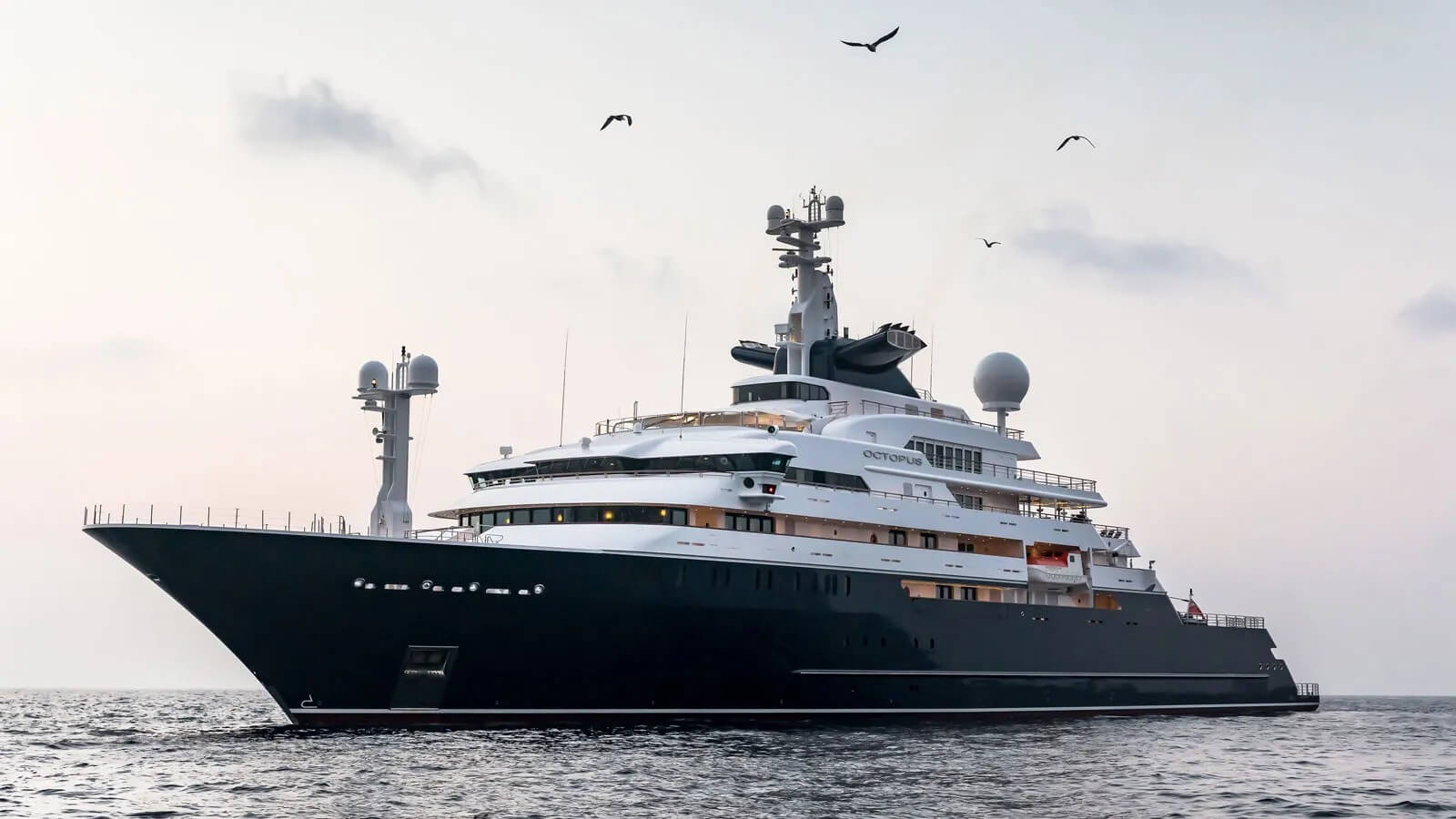
Diesel-electric propulsion systems use diesel generators to produce electricity, which then power electric motors that drive the propellers. This combination reduces noise and vibration for guests on board while enhancing fuel efficiency at lower speeds. It also allows for a more flexible engine arrangement: improving a yacht's interior design and space utilisation.
A drawback to diesel-electric propulsion however is that it requires additional battery storage for silent operation, which can increase initial costs. Shipyards tend to incorporate this technology for improved performance and efficiency during cruising, with this propulsion system commonly found on board explorer yachts. Lürssen's 126.2-meter yacht Octopus broke new ground when launched in 2003, with diesel-electric propulsion consisting of two ABB electric motors and eight MTU 16V 4000 M50 diesel engines equipped to travel anywhere in the world.
3. Hybrid Propulsion (diesel + electric + batteries)
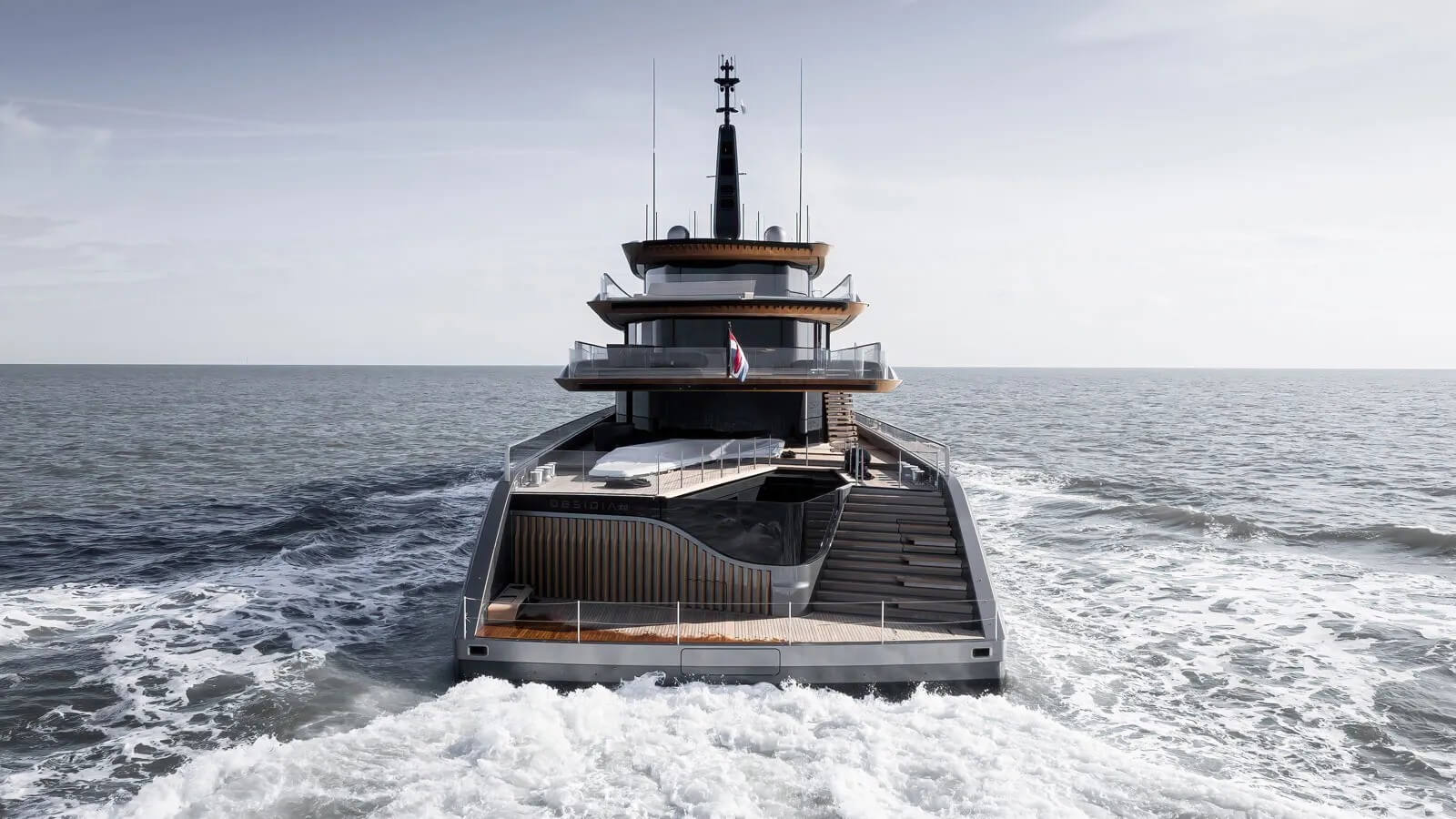
Hybrid propulsion systems combine diesel engines with electric motors and battery storage, allowing for different operational modes. Owners can choose between diesel-only, electric-only, or combined propulsion depending on their cruising needs. This hybrid propulsion is particularly beneficial for reducing emissions and ensuring silent cruising at low speeds, while also extending the lifespan of diesel engines by reducing their use. Despite this technology requiring a more complex setup and higher initial investment, it is becoming increasingly popular on new builds.
Feadship’s yacht Savannah became the first superyacht to feature a hybrid propulsion system when delivered in 2015. Blending a main diesel engine, three gensets, a megawatt of storage batteries and an azimuthing thruster, she benefits from reduced emissions and "fuel savings of some 30 per cent", according to Feadship CEO Henk de Vries. 84.2-meter sistership Obsidian (delivered in 2023), is the newest hybrid vessel from the Dutch shipyard and the first in a new generation of reduced-emission vessels.
4. Waterjet Propulsion
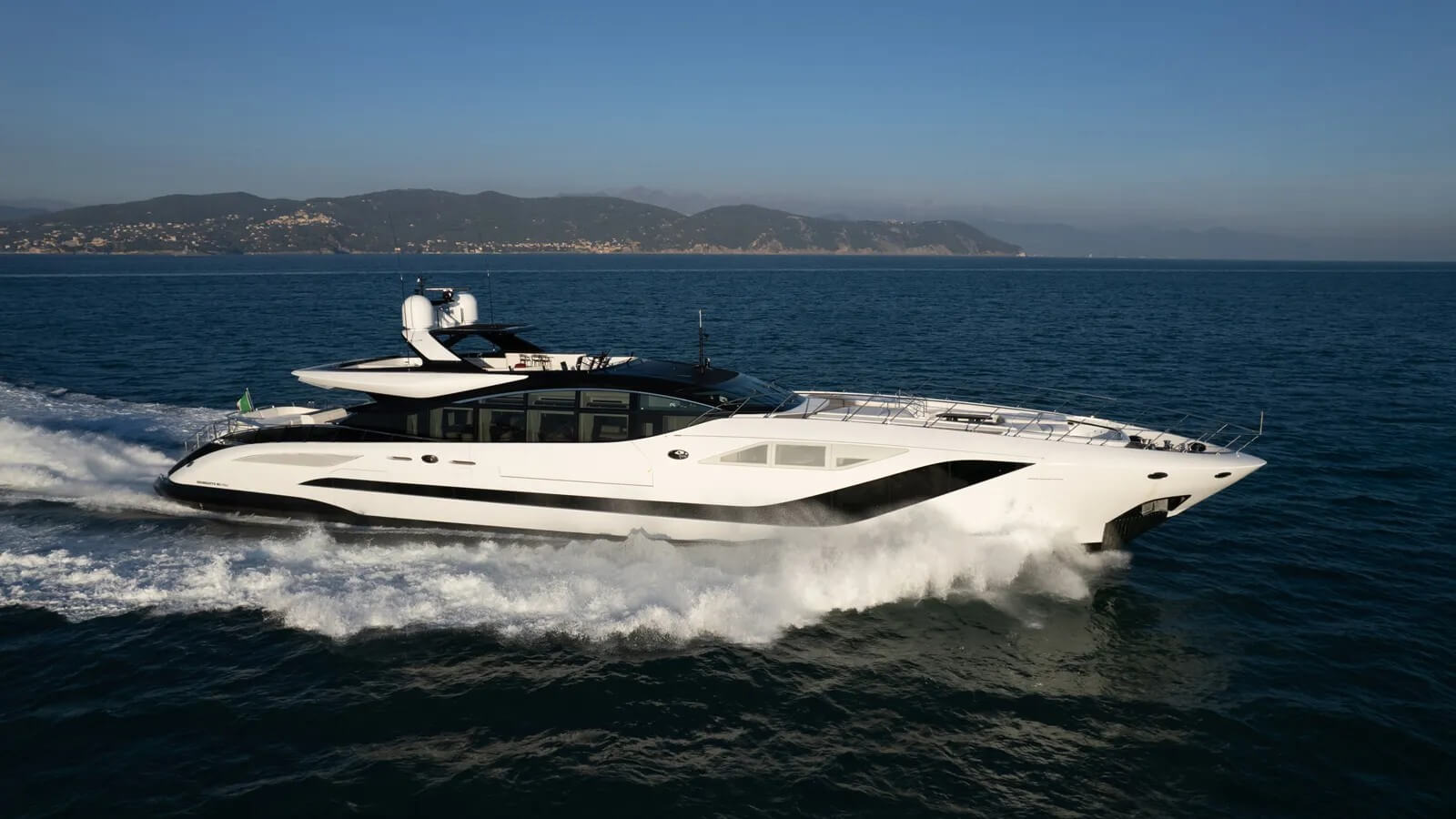
For superyachts aiming for high speeds, waterjet propulsion offers the perfect performance and agility. Instead of traditional propellers, this system uses high-pressure water jets to propel the yacht forward. An advantage of the waterjet system is increased maneuverability which allows the yacht to navigate in shallower waters while achieving higher speeds.
However, this in turn means that the yacht is less efficient at lower speeds and the system can require more maintenance than conventional shaft drives. Shipyards such as Overmarine Group and its Mangusta models and Ferretti Group brand Pershing integrate waterjet propulsion into their fast yachts, with some models capable of reaching speeds over 40 knots.
5. Azimuth Pod Drives (azipods / IPS drives)
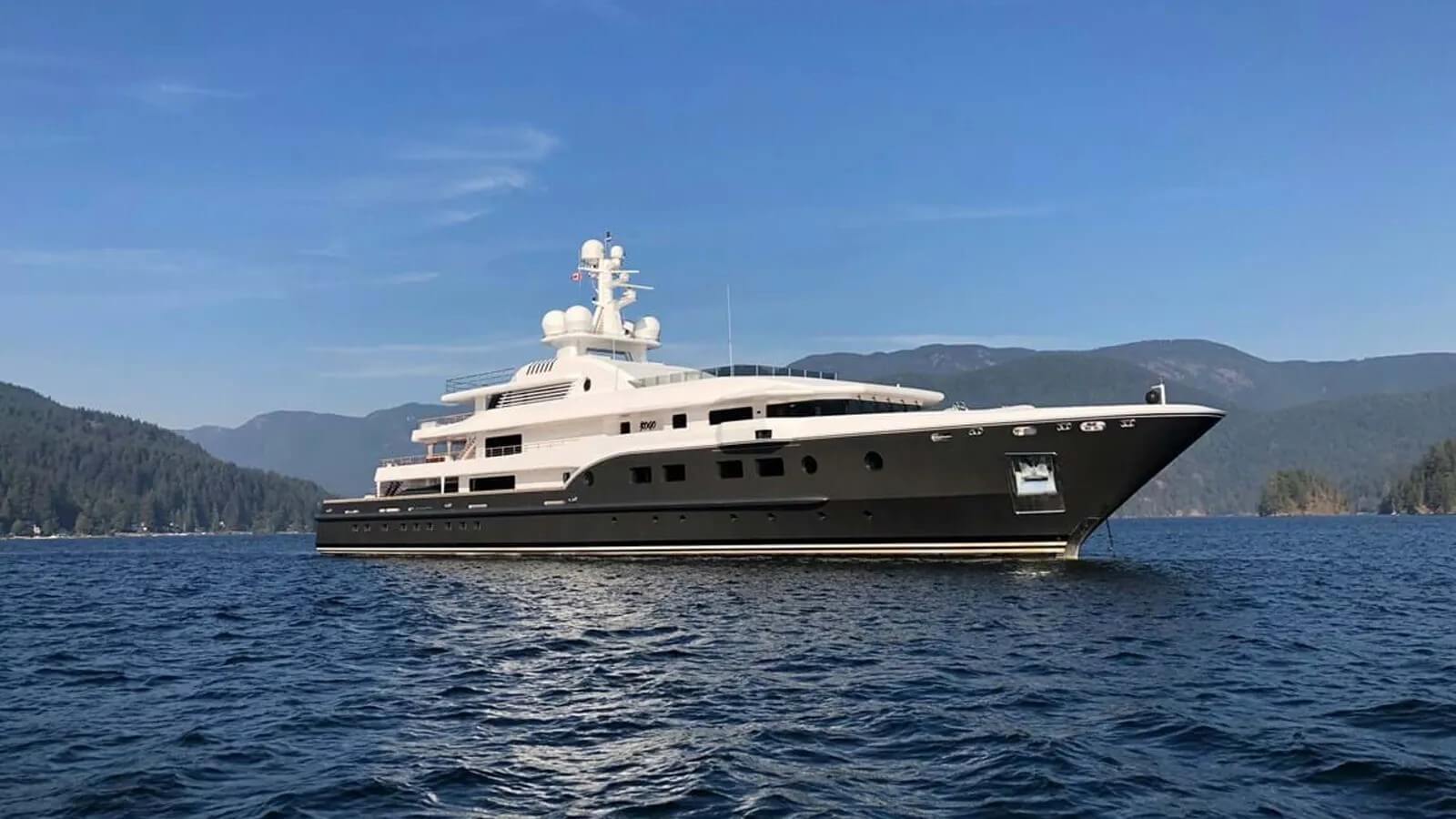
Azimuth pod drives, also known as azipods or IPS (inboard performance system) drives, offer exceptional maneuverability and efficiency for yachts. These rotating pods contain electric motors that directly drive the propellers, eliminating the need for traditional shafts and rudders and therefore requiring less engine room space. Azipods also allow for 360-degree rotation which provides superior handling and greater fuel efficiency at lower speeds.
While this system requires specialized maintenance and has a higher upfront cost, it is widely used in modern superyachts. Alstom Marine's 71.7-meter Kogo was one of the first yachts to employ two Azipods, coupled with a diesel-electric drive when delivered in 2006.
6. Gas Turbine Propulsion
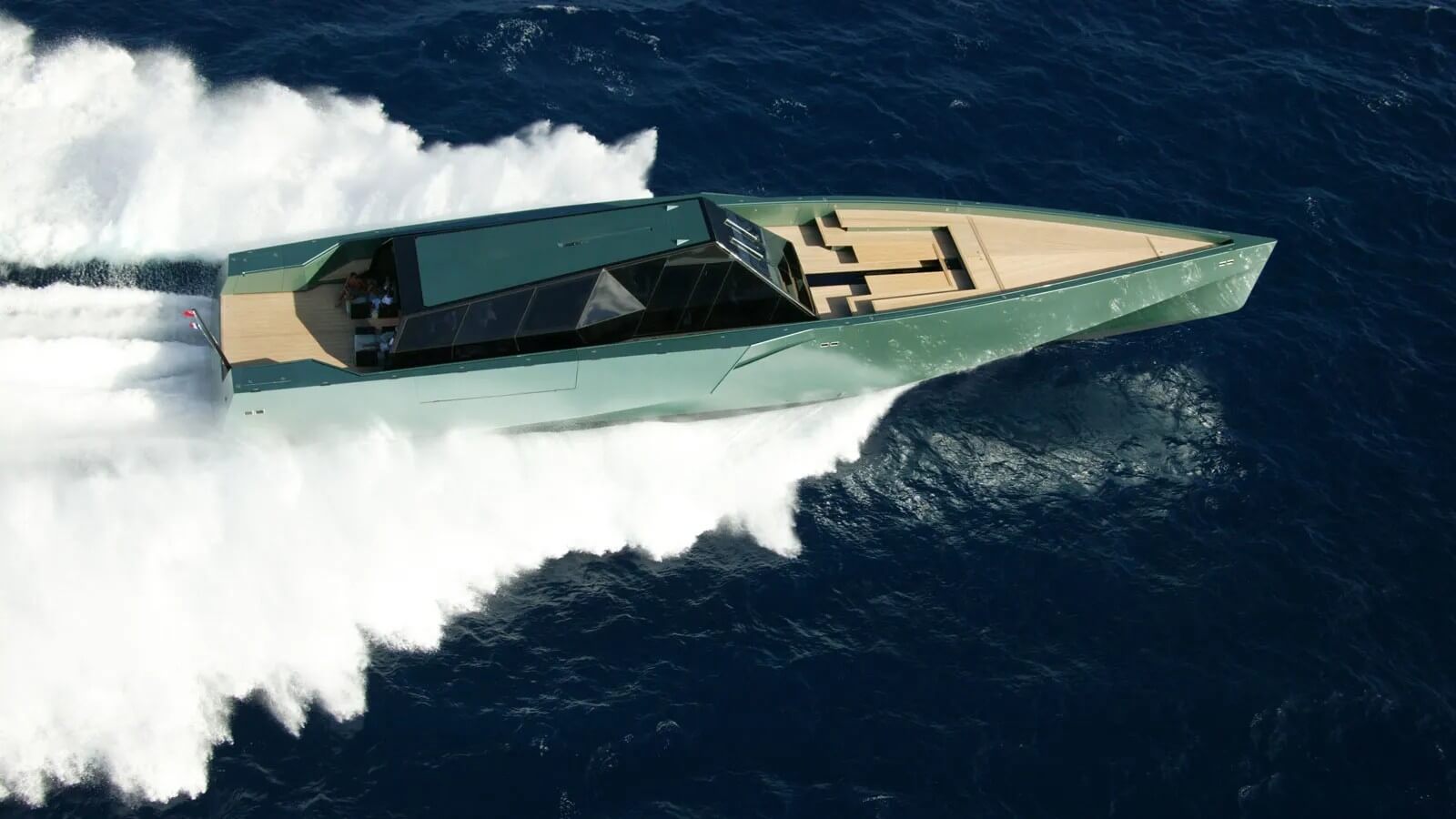
For ultra-high-speed superyachts, gas turbine propulsion makes for immense power and acceleration. This system uses jet engine technology to drive waterjets or propellers, enabling yachts to achieve speeds exceeding 50 knots. Gas turbines offer a high power-to-weight ratio and a compact design, making them ideal for performance-focused yachts.
Rodriquez Yachts' Galeocerdo is a prime example: able to reach maximum speeds of 65 knots thanks to three Vericor TF50 gas turbines. However, the high fuel consumption and maintenance costs of gas turbines limit their widespread use and with a greater emphasis on more sustainable methods of propulsion, they are a less frequent addition to yachts.
7. Hydrogen and Fuel Cell Propulsion
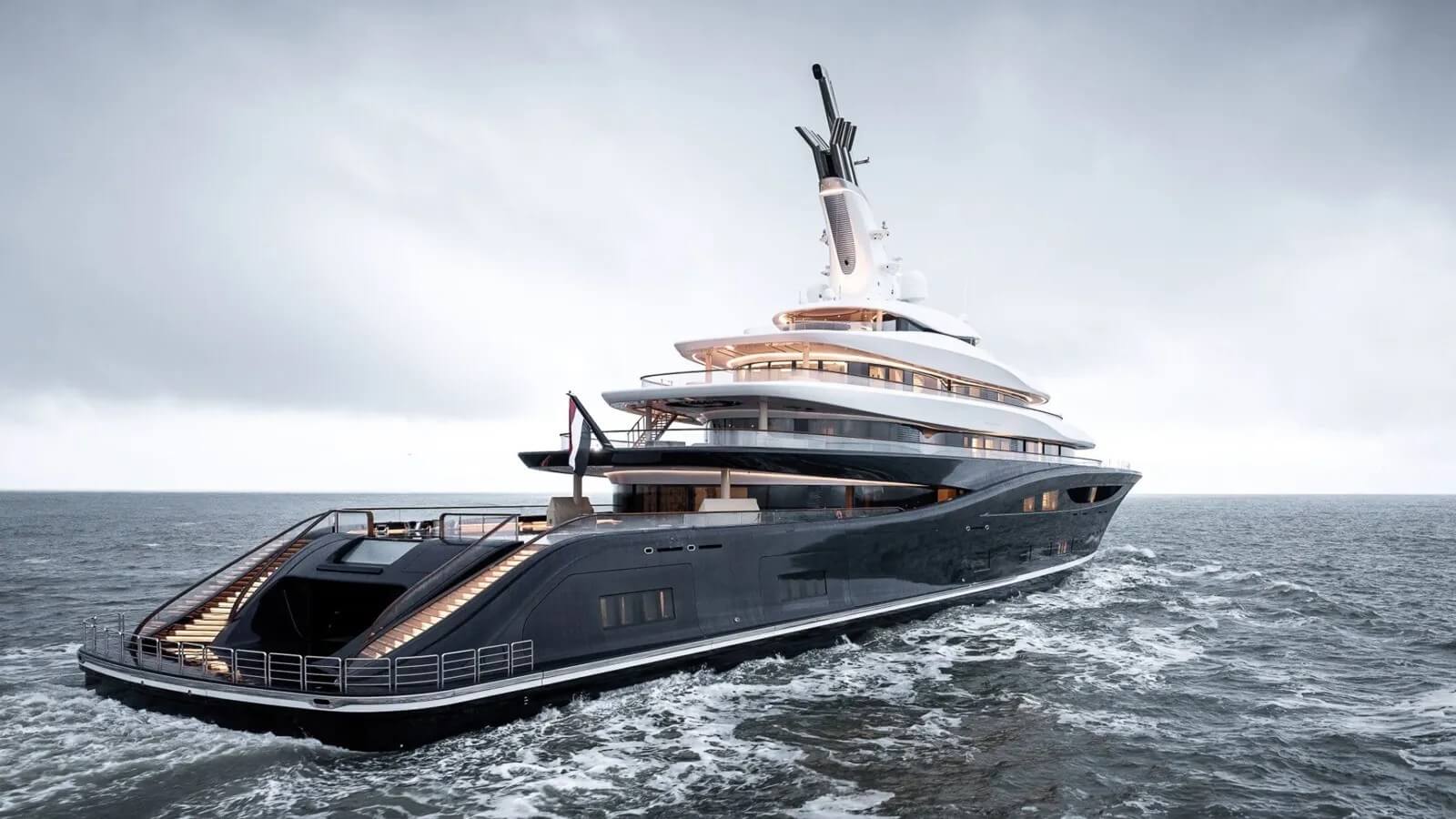
As the yachting industry moves toward sustainable solutions, the use of hydrogen and fuel cell propulsion systems is increasingly gaining traction. These systems use hydrogen fuel cells to generate electricity, which power electric motors to result in zero emissions during cruising. The only byproduct is water vapor, making this one of the cleanest propulsion technologies available to superyachts.
Current limitations however include a lack of refuelling infrastructure in addition to high development costs. Pioneers in hydrogen and fuel cell technology include shipyards Feadship, Lürssen and Sanlorenzo, with the world's first hydrogen fuel-cell-powered superyacht, the 118.8-meter Project 821, launched by Feadship in May 2024. Other fuel-cell-powered superyachts include Sanlorenzo's Almax (2024) and Lürssen's Project Cosmos (2026), both utilizing methanol sources.
8. Solar-Electric Propulsion
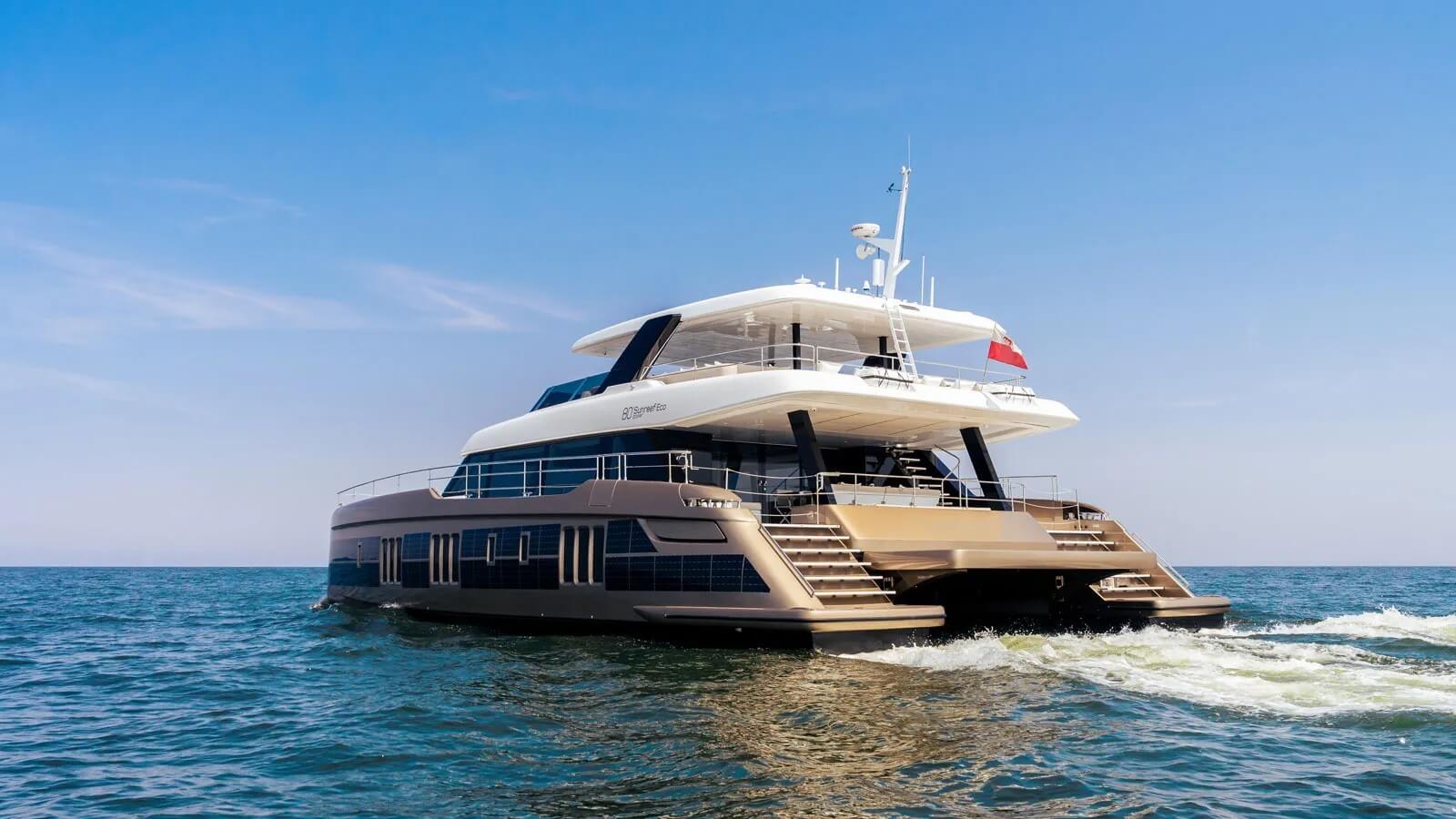
Solar-electric is another sustainable propulsion system available to superyachts whereby solar energy directly powers electric motors for propulsion. Typically combined with battery storage to provide continuous power, this propulsion system allows for emission-free cruising: reducing reliance on diesel generators and therefore cutting fuel costs, consumption and emissions through using renewable energy. Solar-electric also benefits from silent operation and enables longer voyages due to a lower dependency on refueling stations.
However, solar-electric also comes with challenges such as limited energy generation, high initial costs and space constraints. Advances in battery technology are making solar integration more common and although it is more often found in smaller yachts – including the 23.8-meter Sunreef Yachts' 80 Power Eco SÓL (2023) – Feadship's 59.5-meter B (delivered in 2024) is the largest yacht to carry solar cells for auxiliary power generation.
Choosing the Right Propulsion System for You
Selecting the best propulsion system for a superyacht depends on a range of factors including the yacht’s intended use, speed requirements, fuel efficiency goals and environmental impact.
For long-range cruising, conventional diesel or diesel-electric systems remain the most practical choices. For those seeking reduced emissions and silent operation, hybrid, fuel cell technology and solar-electric offer promising solutions. Meanwhile, high-speed enthusiasts may prefer waterjet or gas turbine propulsion for superior performance.
With ongoing advancements in marine engineering, superyacht propulsion systems are continually evolving, with more sustainable, efficient and powerful options offered almost every decade. As the industry embraces new technologies, future yachts will likely incorporate even more innovative propulsion solutions (HVO fuel is a prime example), redefining luxury yachting propulsion for years to come.