The Real Costs of Owning a Boat
By Samantha Wilson
If you’re considering buying a boat it’s an exciting time, but you’ll likely have many questions. What kind of boat is best for me? Where do I store or moor my boat? How much does a boat cost? Doing your homework is important before diving in headfirst, and figuring out your finances is one of the first steps. Once you know what kind of boat you’re interested in and have narrowed down the options, you can start putting that all-important budget together.
To get a clearer idea of boat pricing and what suits your needs and budget, start searching on Rightboat.com among all sorts of new and used boats for sale. Do you want a fun bowrider, or ultra-fast offshore fishing boat? Do you want a cabin cruiser that would offer the chance for weekend cruising? Or perhaps you’re ready to learn to sail. You need to decide what you want to use the boat for and use that as your starting point for creating your budget. However,it’s important to look beyond the initial price tag at the on-going and maintenance costs of owning a boat. In this article we’ll explore:
○ The Initial Purchase Costs: What Kind of Boat Can you Afford?
○ The Annual Costs of Owning a Boat
○ Cost of Owning a Boat per Size or Type

The Initial Purchase Costs: What Kind of Boat Can You Afford?
Purchase cost
Buying the boat is the very first step, so what kind of boat can you afford? The answer depends on many factors, from the age of the boat to the size, style, condition, and where you live. Use the search tools on boat buying and selling websites such as Rightboat.com to see what’s on offer in your area and get a good idea of how much different types of boats cost. We’ll take a look at some examples below.
It’s worth noting that you don’t have to buy your boat outright and there are loans and marine mortgage lenders that will allow you to make monthly repayments over a set number of months or years.
Survey and sea trial
Depending on the size of the boat you’re buying you might want to consider getting a boat survey and sea trial conducted. This is usually done after offers have been made and is paid for by the buyer. You can expect to pay upwards of $20 per foot for a pre-purchase survey and sea trial in the US, £14 per foot in the UK, and around €100 per metre in Europe.
Trailer
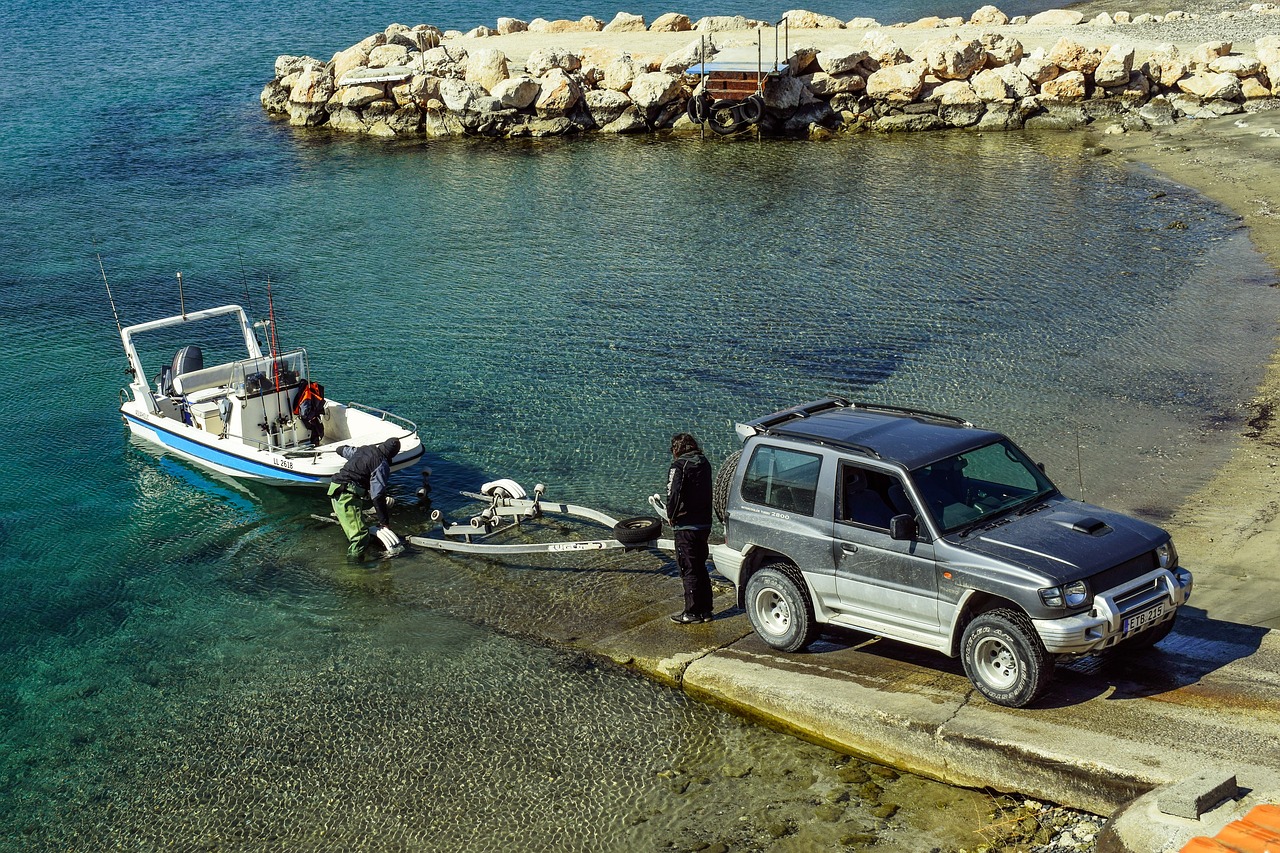
If your boat can be trailered then factor in the cost of the trailer itself. This can often be negotiated into the sale price, especially for new boats, but it’s also worth asking the seller of a used boat too.
The cost of a single axle boat trailer can range from $700 to over $3000 in the US, while tandem and tri-axle trailers can cost from $1000 up to $8000. In the UK, trailering is less common, but still an option, and you can expect to pay around £1,000 to £7,000 for a single axle, with similar prices in Europe.
Equipment
Whether you’re buying a new or used boat, it’s likely you’re going to need some equipment. Safety gear such as life jackets, paddles, horn, personal locator beacons, EPIRB, marine radio, fire extinguishers, and signal flares are a must, but you might also want to consider investing in or upgrading accessories such as stereos, fishing gear, and watersports towing equipment. Prices will vary depending on what you need and the type of boat, but this could cost anywhere between $1,000 and $4,000 or more for a day boat. A well-equipped fishing boat might be in excess of $8,000.
Licenses
In the US most states will require you to have a boater’s safety course and operator’s license as minimum, and the exact requirements vary between states. Check out the National Association of Boating Law Administrators (NASBLA) website for specific requirements. Most courses can be completed online, and while there are some free ones, you can expect to pay around $29 to $50.
In the UK, whether you need a license to drive a boat depends on the type of boat, where you use it, and its size or power. On inland waterways you need a Boat Safety Scheme (BSS) certificate for the vessel (£150 to £225) and a waterway license or registration from the relevant authority (around £50), while at sea there is no legal requirement for a license for private leisure craft, regardless of size or engine power.
Across Europe, different countries have their own regulations regarding licenses. For example France requires a coastal or offshore license costing between €300–€450, while Italy’s coastal license costs between €500–€1,000.
Boat registration
Likewise, when it comes to boat registration and titling fees, each country and state has its own requirements. In the US, registration fees are between $25 to $250, depending on the state and your boat’s length or type. In the UK, the Small Ships Register (optional for offshore cruising) costs £35, while in Europe prices range from €40 in Germany to over €2,000 in the Netherlands.
Sample Boat Purchase Costs
The following tables show approximate purchase costs of sample 5-year old boats:
20' RIB (5 years old)
| Item | USD | GBP |
| Initial purchase | $40,000 | £31,200 |
| Trailer (braked, galvanized) | $1,800 | £1,400 |
| Marine Survey | $500 | £400 |
| Equipment (safety, lines, basic electronics) | $2,000 | £1,600 |
| Total | $44,300 | £34,600 |
35' sailboat (5 years old)
| Item | USD | GBP |
| Initial purchase | $200,000 | £156,000 |
| Marine + rig survey | $1,500 | £1,000 |
| Equipment (safety, sails/rigging spares, electronics refresh) | $8,000 | £6,000 |
| Total | $209,500 | £163,000 |
40' sport cruiser (5 years old)
| Item | USD | GBP |
| Initial purchase | $500,000 | £370,000 |
| Marine + engine surveys | $2,000 | £1,500 |
| Equipment (safety, tender/gear, electronics updates) | $12,000 | £9,500 |
| Total | $514,000 | £381,000 |
The Annual Costs of Owning a Boat
While you can’t put a price on the happiness that boating brings to your life, the initial costs are just the beginning, and the annual cost of owning a boat will vary depending on the size, style, and the age of the boat. You’ll need to factor in:
Marina fees
This is likely to be your biggest expense if you can’t keep your boat on your own property. If you choose to keep your boat in a marina then the price you pay will depend on where that marina is (more accessible locations or high-demand areas are more expensive), the facilities on offer, and whether you have a walk ashore marina berth or a mooring accessed by tender or water taxi. In-water dock space can cost anywhere from $1,000 to more than $5,000 per season in the US. In the UK mooring costs can range from £350 per metre per year to over £20,000 per year for residential moorings in London.
Storage
How you store your boat will depend on its size and the weather conditions where you keep it. In colder climates winter storage involves winterization of the engine as well as storage that protects it from the elements. Boats can be shrink-wrapped for outside storage at a cost of roughly $10-15 per foot or stored on an inside rack for around $50 per foot. In the UK, dry storage costs around £1,000 per metre per year, while outdoor storage could be as little as £30 per meter per month.
Insurance
As with all things boating, the cost of insurance is affected by several factors; the size, style, age, location, where it’s stored, where it’s used, your level of boat handling experience, your boat driving record, and which deductible you choose will all play their parts. As a general rule, you can expect to pay around 0.5% of the value of the boat annually. You’ll need at least liability coverage, but most marinas (and certainly lenders) will ask for comprehensive insurance.
Fuel
Trying to calculate the exact cost of gas or petrol depends on a whole host of factors. There are lots of good gas calculators online that you can use but you’ll need to know the variables of your boat including:
- Type of boat: The vast majority of boats in the United States are trailerable under 26 feet in size, which means it’s likely they are being fueled at regular gas stations—a cheaper option than fueling in marinas as larger boats need to do. Marina fueling stations can cost up to 50% more. Likewise, some types of boats are simply thirstier than others. A pontoon boat will often have much lower horsepower and therefore use far less gas than a center console fishing boat for example.
- Cruising speed: The faster you go, the more gas you will use. Your cruising speed might vary considerably on each outing, too, so calculating your gas usage will depend on whether you’re heading offshore on a fishing expedition, or gently cruising along the coast or lake.
- Location: In the same way that regular gas for road vehicles varies from one place to another, so too does marine gas. Where there’s high demand and in peak seasons, expect to pay more for gas.
- Type of fuel: The price for diesel and gas or petrol varies quite considerably, so keep that in mind when calculating fuel costs.

Maintenance and repairs
Boats will always need a lot of maintenance to keep them in good working order, especially those kept or cruised in the sea where salt water creates corrosion (see Saltwater vs Freshwater Boats). The best rule of thumb is to keep a strict maintenance schedule as it’s easier to maintain your boat than to keep fixing or replacing things.
As a rough estimation, you can expect to spend around 10% of the value of the boat on upkeep each year, but that also depends on the age of the boat (newer boats need far less maintenance and it’s estimated you’ll spend around 2% on maintenance each year), and how much you can do by yourself.
Maintenance will include everything from servicing the engine to cleaning, hull maintenance, winterizing and haul-out . It’s recommended that boats are taken out of the water once a year for general maintenance and for anti-fouling and having the sacrificial anodes changed. You’ll also, depending on the type of boat, need to check the sails, ropes and rigging, do some painting and varnishing, and maintain and service electrical and mechanical systems such as marine toilets, generators, and bow thrusters.
Depreciation
Most boats will go down in value over time, and you need to calculate that into your annual costs so you can maximize what you get back for it when it comes time to sell. New boats depreciate the most, typically losing 10–15% of value in the first year, and around 20–30% over five years. By the 5th year, depreciation generally lies between 30–40%, tapering off further in later years. After about 10 years, depreciation slows considerably to around 5% each year. It’s worth noting that sailboats generally have a slightly slower rate of depreciation than powerboats.
Unforeseeable Costs
Ask any boat owner and they will tell you that there are always surprise costs that crop up from time to time. It’s therefore a sound idea to ensure you have enough annual budget put aside for unforeseeable costs that might include major breakages, accidents, weather-caused damage, or upgrades. For example, if a major system breaks down and needs repair (such as the engine or a major component of it), that year's running cost will be increased by both the prices of parts and labor.
Major failures are much more likely with an older boat, so it’s worth considering selling a boat before it becomes a financial drain, and buying a boat that is a few years younger.
Sample Annual Costs of Owning a Boat
The following table shows approximate annual costs of owning different types of 5-year old boats:
Annual costs (5-year-old boat)
| 20' RIB | 35' sailboat | 40' sport cruiser | |
| Marine/mooring fees | $4,000 (£3,000) | $7,500 (£5,800) | $12,000 (£9,500) |
| Storage | $1,200 (£900) | $3,000 (£2,300) | $5,000 (£4,000) |
| Insurance | $600 (£500) | $2,500 (£2,000) | $6,000 (£4,000) |
| Fuel/gas | $1,200 (£900) | $500 (£400) | $8,000 (£6,400) |
| Maintenance | $1,000 (£800) | $6,000 (£4,700) | $15,000 (£11,800) |
| Depreciation | $4,000 (£3,000) | $10,000 (£7,800) | $30,000 (£23,500) |
| Annual total | $12,000 (£9,100) | $29,500 (£23,000) | $76,000 (£60,000) |
Cost of Owning a Boat per Size or Type
As we’ve seen, the cost of owning a boat varies and the biggest influencing factors are the size and type of boat. Ultimately, the cost of owning a small boat is typically less than the cost of a larger one. Small boats will have:
- More mooring and storage options
- They can be trailered
- Lifting them out of the water costs less
- Maintenance will be less
- Insurance and depreciation will be less
Having said that, the type of boat will also play its part, and the cost of owning a 40-foot boat for example, will be very different if it’s a 40-foot trawler yacht or a 40-foot sailboat, or whether it’s brand new or used.
Sample Costs of Owning Different Types of Used Boats
The following table shows approximate costs of owning different types of 5-year old boats:
Purchase & annual running costs
| Boat type | Purchase cost | Annual costs |
| 16-22' outboard boat | $25,000 (£19,500) | $7,000 (£5,500) |
| 28-30' sailboat | $80,000 (£62,500) | $18,000 (£14,000) |
| 35-45' express cruiser | $250,000 (£200,000) | $60,000 (£47,000) |