Replacement Steering Systems
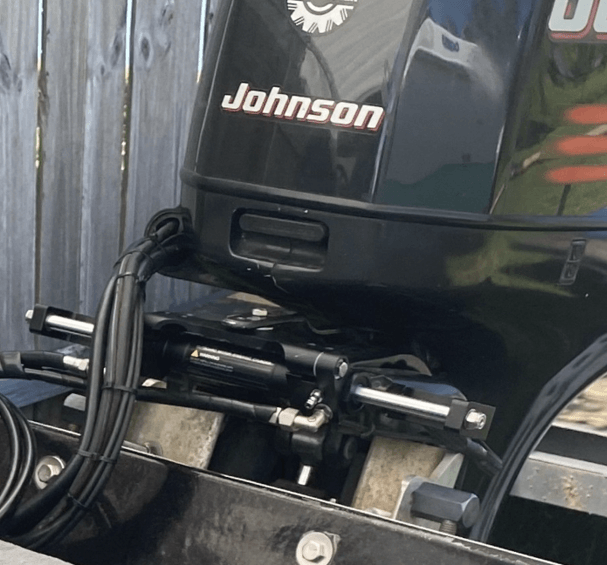
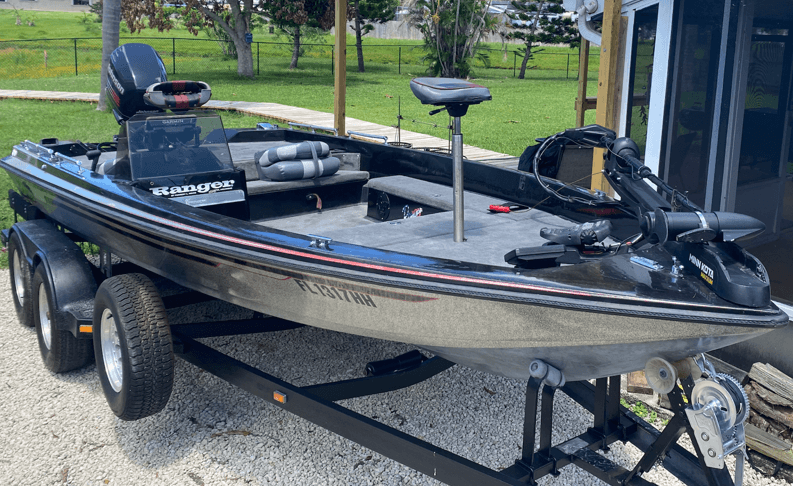
There’s something nostalgic about owning an older boat. When you find one that perfectly fits your lifestyle and performs exactly the way you want it to, it’s hard to let it go. That’s how I feel about my 1988 Ranger 390V bass boat. She’s powered by a 2002 Johnson 150-horsepower two-stroke—the maximum horsepower Ranger offered when the boat was built.
Time to Make and Old Boat New
After years of faithful service, I decided it was time to give her a complete makeover. New carpet, updated electronics, fresh batteries, a new trolling motor, electrical upgrades—you might call it a little “BoatTox.” (We apologize to our readers for this geriatric pun.—Ed.)
One item on the list was replacing the original dual-cable steering with hydraulic steering.
As a member of several Ranger owner forums, I constantly saw the same question: Has anyone tried those inexpensive imported hydraulic steering systems sold online?
They looked almost identical to the premium brands and sold for hundreds of dollars less. After nearly 30 years in boat manufacturing, I had always specified OEM steering systems, but curiosity got the better of me. I decided to find out for myself.
Getting a “Good Deal”
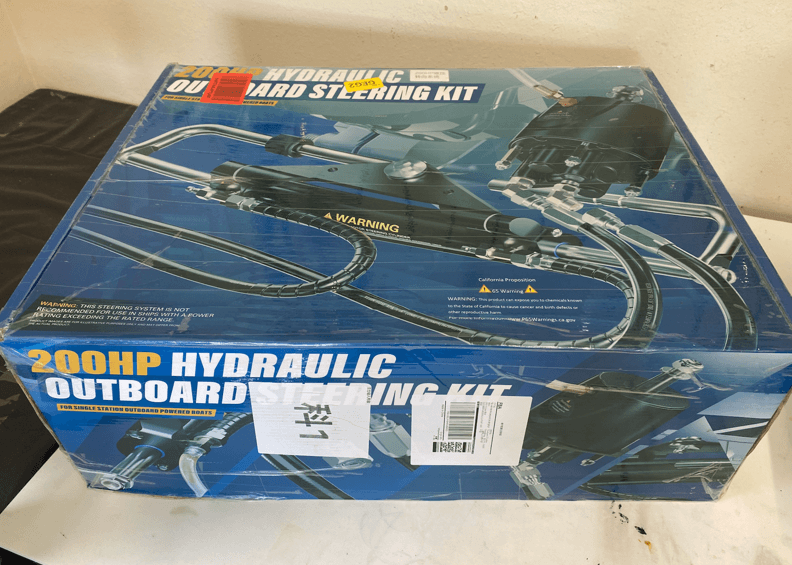
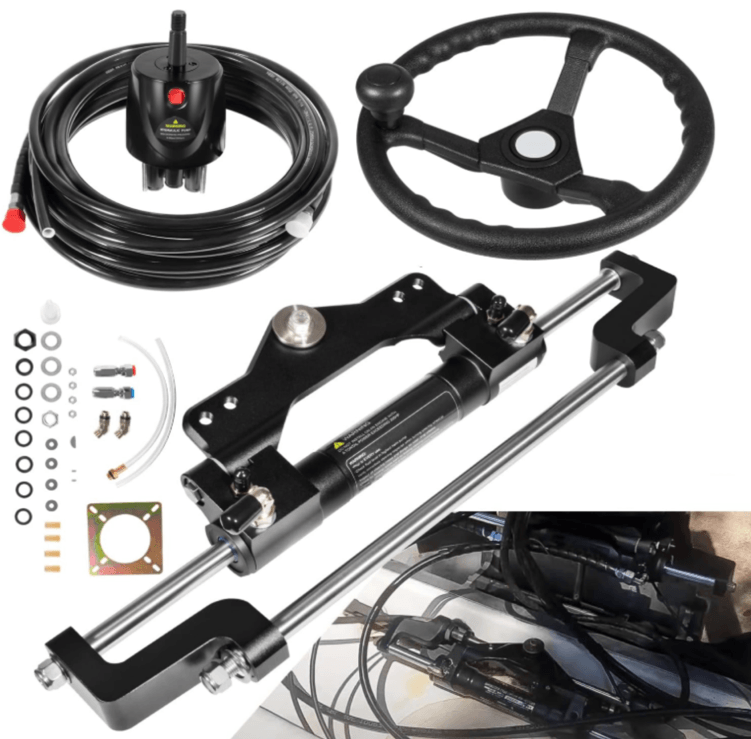
The steering system I ordered was advertised for outboards up to 200 horsepower, well above the 150-horsepower Johnson on my Ranger. When it arrived, I was impressed. The castings looked clean, the machining appeared well done, and the overall finish was better than I expected. Installation was straightforward and nearly identical to the OEM systems I’d installed over the years.
The following morning, I launched the boat for a sea trial on the rim canal at Lake Okeechobee. Naturally, I brought a few fishing rods along. After all, what good is a sea trial if you can’t sneak in a little fishing?
In-Use Test of a Low-Cost System
At idle and low speed, the steering felt smooth and responsive. I accelerated onto plane without any issues. But as the engine climbed past about 3,000 RPM, the boat suddenly began pulling hard to port.
To keep the Ranger tracking straight, I had to apply a constant turn on the wheel in the opposite direction. As speed increased, the steering pull became stronger until it was obvious the hydraulic system could no longer overcome the engine’s natural steering torque. Something wasn’t right.
Back at the ramp, I checked for air in the system and verified the helm reservoir was full. Everything appeared normal, yet repeated test runs produced the same results.
Amazon is Amazing
Amazon’s customer service was excellent. They immediately offered either a refund or a replacement, and assuming I had simply received a defective unit, I chose the replacement. A few days later I installed the second system, carefully bled the lines, and headed back to the lake.
The results were identical. This steering system could not overcome the torque of the outboard engine.
At that point my concern shifted from disappointment to safety. In my opinion, a steering system that cannot maintain control under normal operating conditions has no place on a boat. Had an inexperienced operator accelerated to full throttle, the sudden steering pull could have created a dangerous situation. More than anything, I couldn’t believe I had talked myself into saving a few dollars on one of the most important safety systems aboard my boat.
Dollars vs Sense
Sometimes experience doesn't keep us from making mistakes—it simply helps us recognize them sooner. This isn’t about criticizing one manufacturer. It’s about reminding boat owners that some components shouldn’t be selected based solely on price.
Steering, fuel, and electrical systems are critical safety equipment. Reliability matters far more than saving a few hundred dollars.
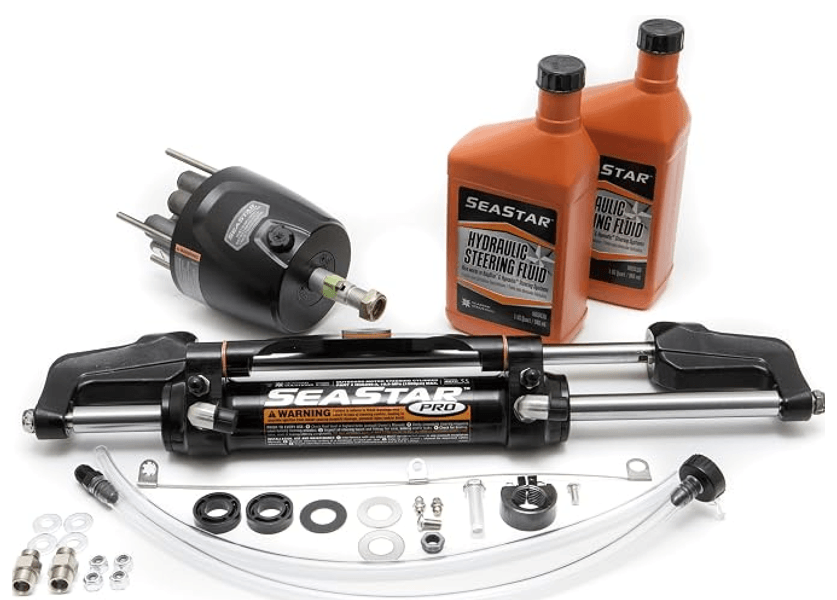
Dometic’s System Builder
Before purchasing another steering system, I visited Dometic’s website and used its online System Builder. By entering the boat model, engine, horsepower, and application, the configurator recommended the correct SeaStar hydraulic steering system for my Ranger.
That process reinforced something many of us overlook. Marine steering isn’t one-size-fits-all. Hull design, horsepower, steering loads, and intended use all affect the proper steering system. Engineering—not appearance—is what determines whether a system performs safely.
Testing the SeaStar Steering System
I installed the recommended SeaStar system and immediately noticed the difference. While the components looked surprisingly similar to the imported unit, the steering felt smoother from the very first turn of the wheel. The hoses, fittings, and overall quality inspired confidence before the boat ever touched the water.
Back at the lake, I accelerated through 3,000 RPM, then 4,000, then 5,000. At 5,400 RPM and 62 miles per hour, the Ranger tracked perfectly straight. There was no steering pull, no constant correction, and no fighting the wheel.
The boat performed exactly as she should. The experience reminded me that while two products may look nearly identical, what’s inside often makes all the difference. Precision machining, properly engineered valves, quality materials, testing, and product support aren’t always visible—but they’re exactly what you’re paying for.
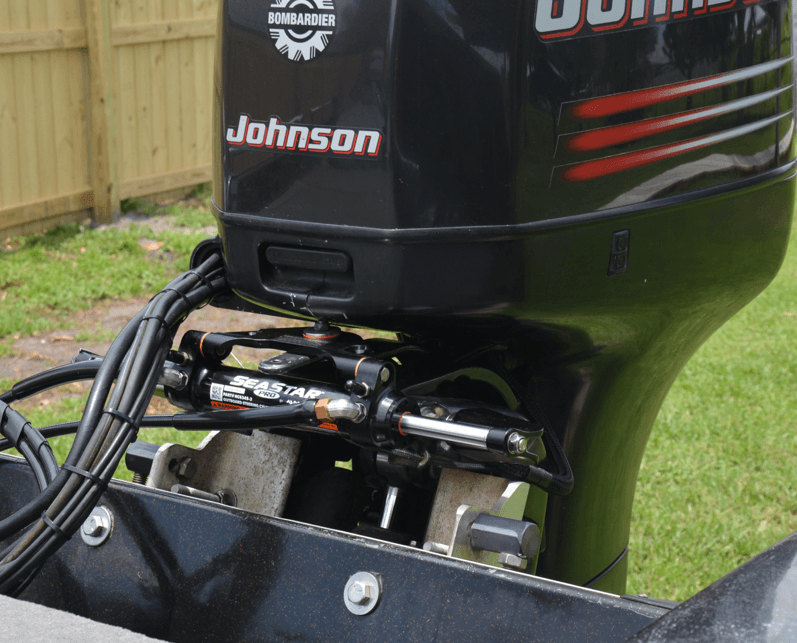
Looking back, I probably should have known better. After decades in the marine industry, I’d always insisted on quality components for the boats we built. Yet even experience doesn’t make us immune to the temptation of saving money.
If you’re restoring an older boat, there are plenty of places to cut costs. Carpet, seats, lighting, and cosmetic upgrades can often be done economically without compromising safety. Steering isn’t one of them.
When you’re running across open water with your family aboard, confidence in your steering system is worth far more than the money you saved at checkout.
By the way, after the third trip to the lake—once the sea trial was finally complete—I picked up a rod, made a cast, and finally got to do what I’d planned all along.
I went fishing.
Test Captain / Fishing Expert - Capt. Dave East
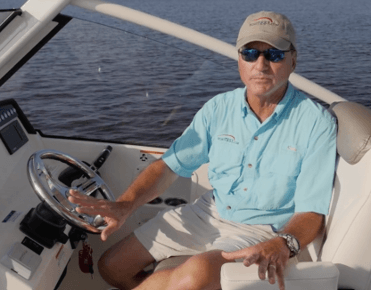
Dave is a 30-year veteran of the Marine Industry, having started two boat companies, and most recently sold his fishing catamaran brand Eastward. He co-founding Twin Vee and was a designer for several other boat manufacturers and is still a marine industry consultant. He is a former boating magazine editor, and has written hundreds of articles on boats, how-to guides, DIY and safety. For four years, he hosted Florida Sportsman’s Best Boat TV series and tested boats from small flats boats to long range cruising motoryachts. Dave is a lifelong fresh and saltwater fisherman. He is a private pilot with multiple ratings, and is an Open Water PADI-Certified SCUBA diver. He currently lives in Stuart, FL. He feels equally comfortable on anything from a 16’ flats boat to an 85’ long range cruiser.