Should Marinas Ban Zinc Anodes?
By Craig Ritchie
For years boaters have used zinc anodes to protect running gear against corrosion. But growing evidence of its long-term toxicity has brought zinc under scrutiny. With alternatives proving to be more effective and less expensive, should marinas take the lead in banning zinc altogether?
Sacrificial anodes – those curious knobs of raw metal found on outdrives, shafts, rudders and other metal components that hang beneath the boat – are made from metals that have a particularly attractive electro-chemical voltage range, with the idea of focusing corrosive reactions on the anode rather than adjacent metal components. It’s a bit like catering a kid’s birthday party by serving cake and broccoli at the same time – the cake gets devoured while the broccoli escapes untouched. It’s a simple approach that works equally well on small boats, large yachts, commercial ships and shoreline installations like docks and lock gates.
Anodes have traditionally been made of zinc – to the point they’re almost universally known as “zincs” rather than by their proper name. While zinc is an effective anode material, in locations where boats can be found in high concentrations – such as in marinas – zinc has been found to accumulate in local environments. While small quantities of zinc are essential to human health, it is highly toxic to plants, invertebrates and fish. In volume, it can pose health hazards to other forms of life as well.
Worse still, most zinc anodes typically include some amount of cadmium, which has been associated with serious illnesses in humans, including kidney disease, atherosclerosis, hypertension and cardiovascular diseases.
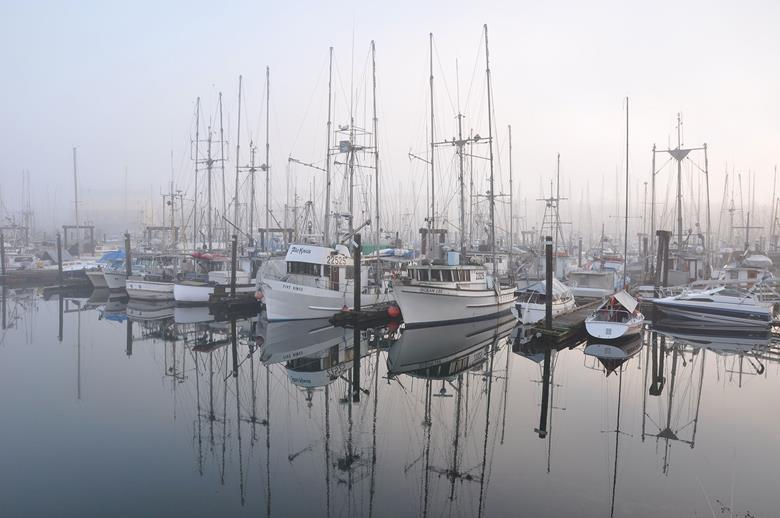
Such findings have inevitably raised concerns about the continued use of zinc anodes in marine environments. In the US, bans on the use of zinc anodes have been proposed in California and Maryland after a series of studies identified high levels of the element in local environments located near large marinas. Further water testing initiatives in the vicinity of marinas in Washington and Delaware have also revealed significant levels of zinc in local environments.
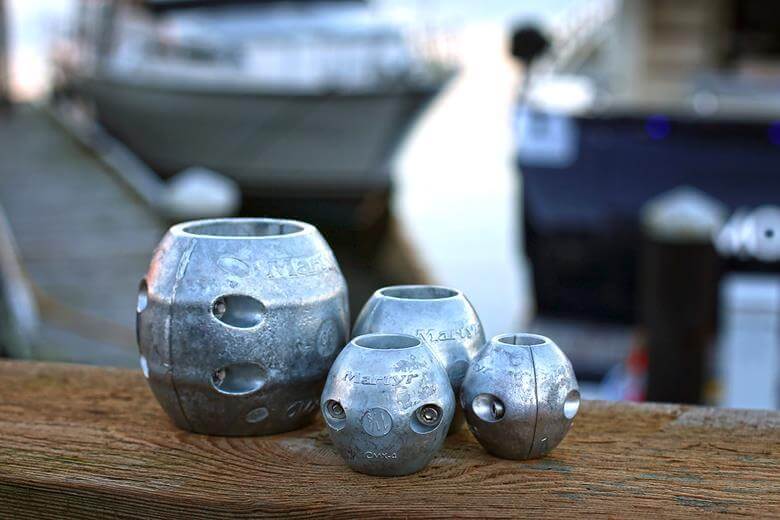
The good news for marina operators is that more sustainable alternatives to zinc have been available for years. Anodes made from aluminium alloys are completely non-toxic and 100% cadmium-free, while delivering equal if not superior protection than zinc in both freshwater and saltwater environments. Aluminium anodes provide further advantages including significantly lighter weight for easier handling, lower shipping costs, and greater durability in use, since aluminium anodes typically last up to 50% longer than zincs of comparable size.
They also contribute to a safer work environment for service personnel, being inherently non-toxic. “As an industry, we have to let people know there are alternatives to zinc that are safer to use, that work better and cost less,” says Michael Szwez, senior vice president of sales and marketing for Canadian anode manufacturer CMP Global. “It would be far better for boaters and service yards alike to make a shift to non-toxic anodes on our own, before governments get involved and make it a regulatory issue. Because make no mistake, that is exactly what will happen if we don’t act first.”
With zinc anodes coming under increasing scrutiny as a result of environmental concerns related to their toxicity, marinas have an opportunity to take a leadership role by replacing them with aluminium product in all service work, and by encouraging end-user customers to replace existing zincs with aluminium anodes. Moving proactively to eliminate a potential health concern before it becomes a problem isn’t just good PR, it’s sound business sense.