Tragic Maiden Voyage of a Sinking Superyacht
A Cautionary Tale: The Aftermath and Broader Implications of a Sinking Superyacht
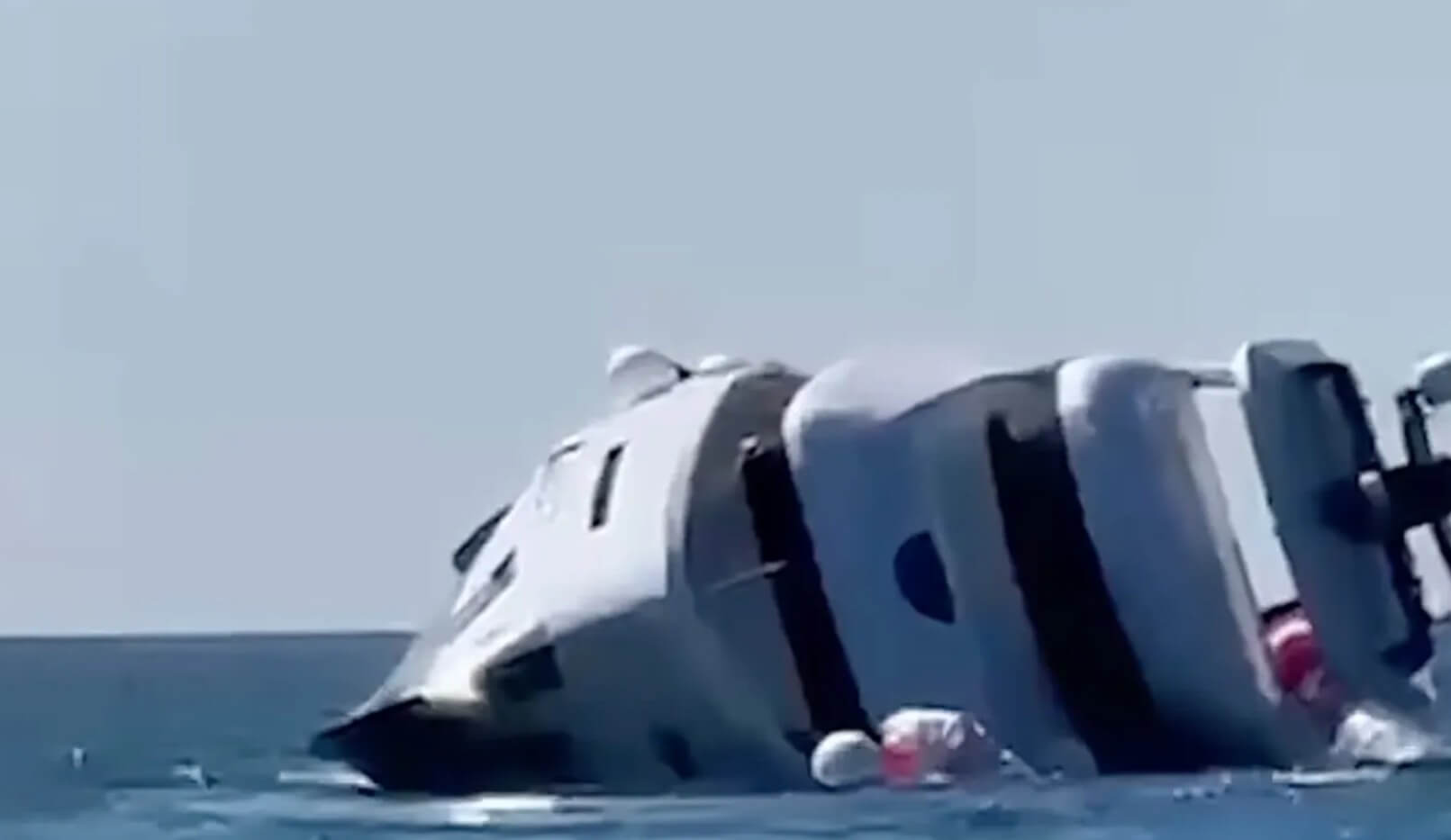
The maritime world was shocked recently by the dramatic and tragic capsizing of a newly launched vessel in Turkey. The event, which occurred just minutes after the ship hit the water for its maiden voyage, has raised serious questions about shipbuilding standards, safety protocols, and quality control within the Turkish shipbuilding industry. While the incident thankfully resulted in no loss of life, it has become a cautionary tale for shipbuilders worldwide.
The Ill-Fated Launch
The vessel, whose name has not been widely publicized but was a cargo ship, was launched from a shipyard in Tuzla, Istanbul, a major hub for Turkish shipbuilding. The launch, typically a celebratory and high-stakes event, turned into a scene of disaster. As the ship was being eased into the water, it began to list precariously to one side. Within moments, the list became uncontrollable, and the vessel rolled over completely, its hull becoming the only visible part above the water. Eyewitnesses described a rapid and unsettling sequence of events that left everyone stunned.
What Went Wrong?
While an official investigation is underway, maritime experts have already pointed to several potential causes for the capsizing. A primary suspect is a failure in the ship's ballast system. Ballast tanks are crucial for a ship's stability, and they are filled with water to provide counterweight and maintain an even keel. If these systems were not properly configured or if there was a malfunction, it could explain the sudden and severe listing.
Another possibility is a flaw in the ship's design or construction. Even a small miscalculation in the vessel's center of gravity or a structural weakness could have been amplified during the launch process. The weight distribution of the ship itself might have been off, making it inherently unstable.
Finally, human error cannot be ruled out. Mistakes in the launch procedure, such as not releasing the ship at the correct angle or a miscommunication among the crew, could have contributed to the catastrophe. Regardless of the specific cause, the incident underscores the critical importance of rigorous checks and double-checks at every stage of a ship's construction and launch.
Broader Implications for Turkish Shipbuilding
Turkey has emerged as a significant player in the global shipbuilding market, known for its competitive pricing and skilled workforce. However, this incident casts a shadow over that reputation. The capsizing has prompted calls for a comprehensive review of safety and quality control standards across the country's shipyards. For Turkey to maintain its competitive edge and secure future contracts, it must demonstrate a strong commitment to maritime safety and structural integrity.
The event serves as a stark reminder that even with advanced technology and experienced crews, the sea remains an unforgiving environment. A single mistake, whether in design, construction, or procedure, can lead to a catastrophic failure.
The Aftermath
The immediate aftermath involved a massive salvage operation to right the vessel and assess the damage. While the ship can likely be repaired, the reputational damage to the shipyard and the broader Turkish shipbuilding industry will be harder to fix. This incident will be a topic of discussion in maritime engineering circles for years to come, and its lessons will undoubtedly be incorporated into future safety protocols and training programs worldwide.
The vessel's capsizing is a powerful reminder that in the world of shipbuilding, there is no room for error. Every bolt, every weld, and every calculation must be perfect to ensure the safety of the crew and the integrity of the vessel. The industry and the public will be watching closely as the investigation unfolds, hoping to learn from this unfortunate event and prevent future tragedies.