Twelve Kayakers Saved: The Simple Call That Worked
A Group Rescue in the San Juan Islands Proves Why Your Marine Radio is Your Truest Lifeline
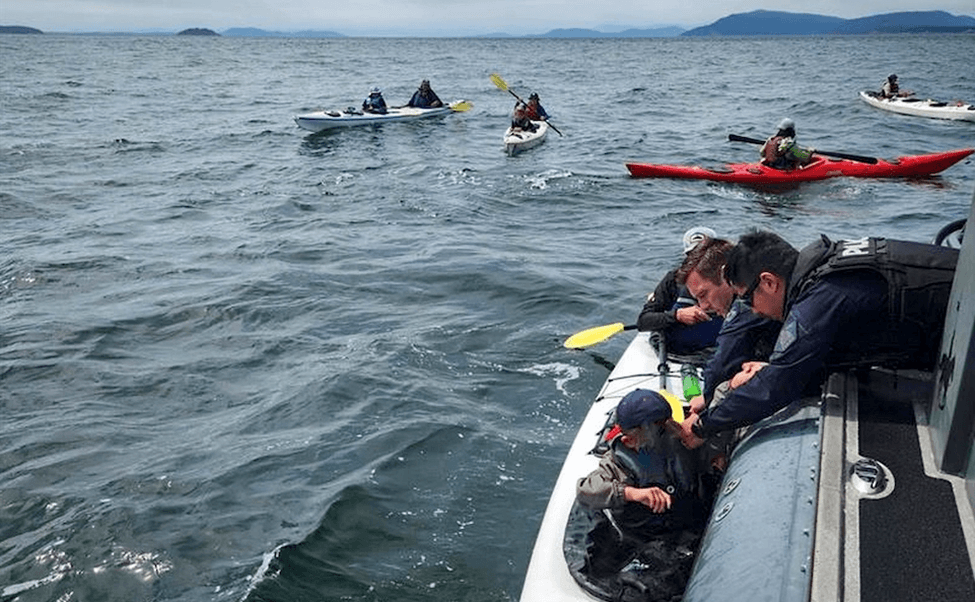
The Single Call That Brought Everyone Home
The San Juan Islands are breathtaking, but their beauty hides powerful, often unpredictable, currents. A recent rescue of twelve kayakers—half of them children—is a perfect example of what happens when preparation meets peril, and why one simple device is non-negotiable on the water.
The group was crossing a channel between Sucia and Patos islands when the waters became treacherous. Instead of panicking or relying on a fading cell signal, they did the one thing that guaranteed their safety: they called for help over their marine radio at 1:50 p.m.
That single VHF radio call immediately triggered a full-scale, international response. The U.S. Coast Guard launched a rescue boat, the Royal Canadian Mounted Police sent a ship, and a Washington State Parks vessel joined the effort. In no time, all twelve kayakers were brought safely to shore on Orcas Island, uninjured.
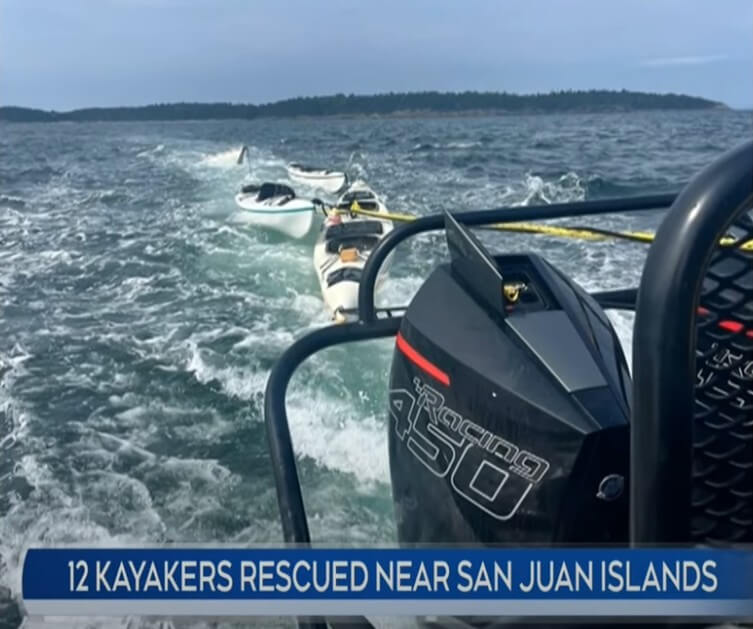
This success story is a masterclass in safety, centered around three key lessons:
1. The VHF Radio is Your True Lifeline
A cell phone is great for photos, but a VHF marine radio is built for emergencies. When the kayakers called for help, their signal went straight to the Coast Guard and was heard by all nearby vessels. Unlike a cell phone, which relies on tower range and service, the marine radio is the official way to signal distress, ensuring a quick and coordinated professional response. Never paddle or boat in challenging waters without one.
2. Know When to Stop and Call
The group made a critical decision: they recognized the water was getting "treacherous" and that they couldn't handle it alone. Knowing your limits and having the presence of mind to call for help before the situation becomes unmanageable is a sign of smart seamanship. Waiting too long is the deadliest mistake.
3. Group Safety and PFDs
While not explicitly detailed, the uninjured outcome suggests a strong commitment to core safety. When paddling in a large group, especially with children, wearing a PFD (Personal Flotation Device) is essential. It buys you time in cold water and keeps you buoyant while you wait for help. This group's survival confirms that group trips demand total commitment to this basic gear for every single person.
This rescue is a powerful, positive reminder that proper preparation is what separates a routine day from a disaster. The kayakers made the right call, and their readiness ensured everyone went home safely.
Want to read about more close calls? Click here to see our weekly accident report and gain access to the archives.