Vinyl Wrapping for Boats
Give your hull a new look at less than the cost of paint
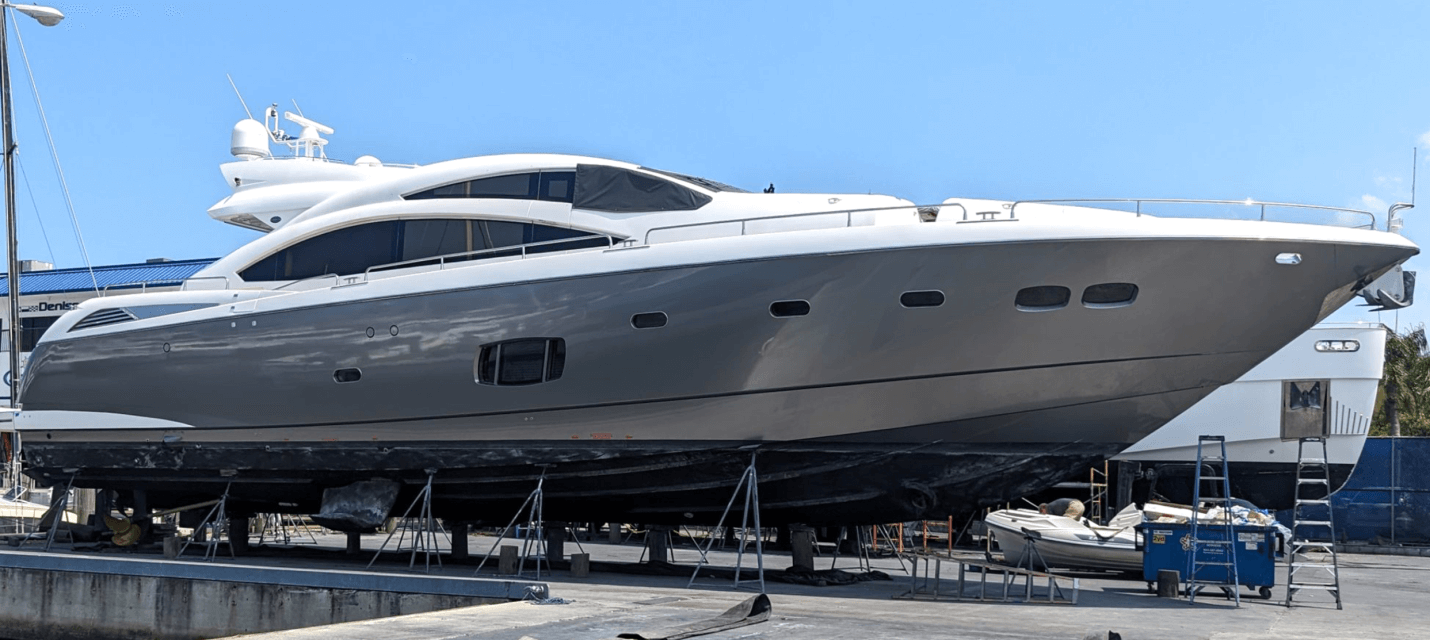
Vinyl wrapping boat hulls has become increasingly popular in recent years as an alternative to traditional painting for both cosmetic and protective purposes. It has a number of advantages over applying marine-grade paint.
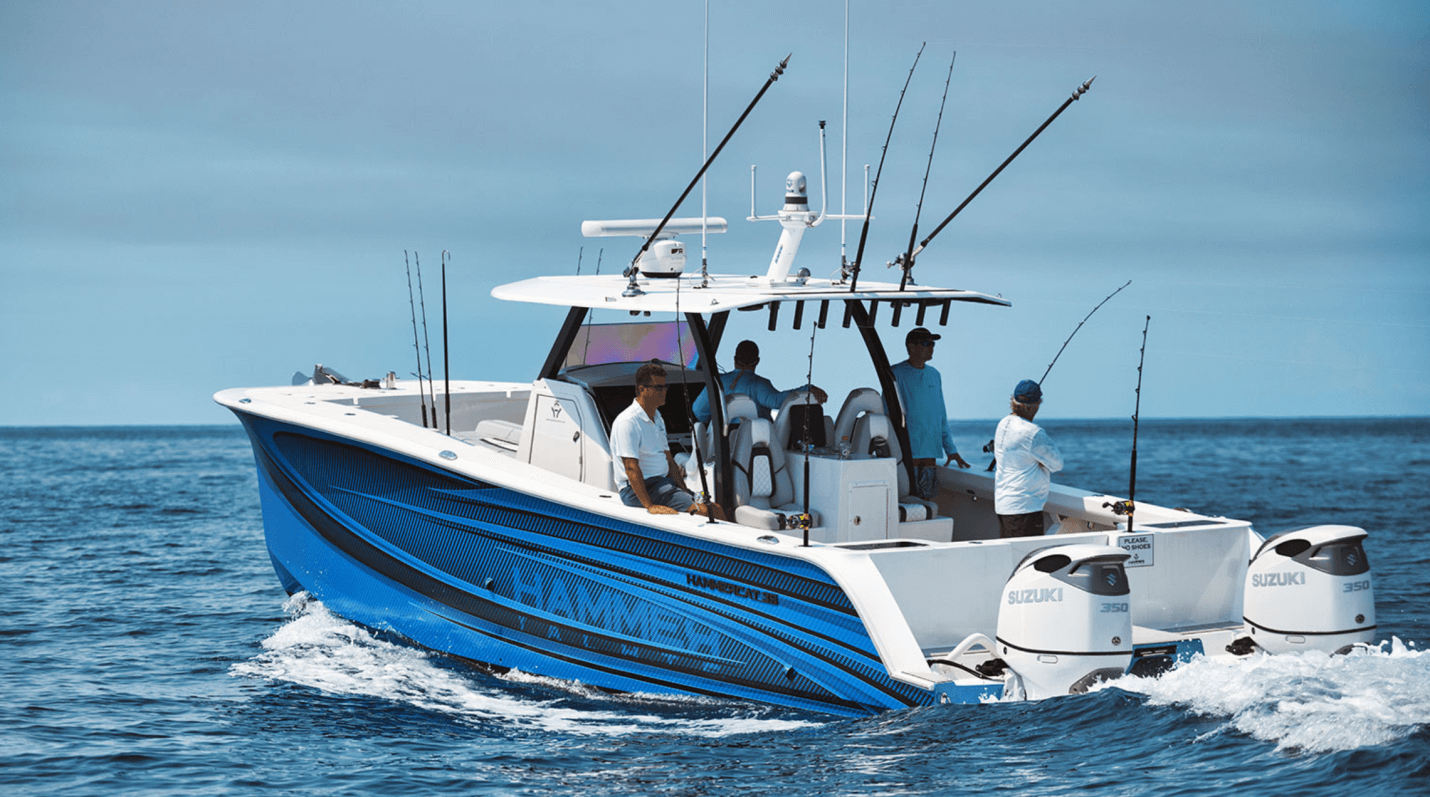
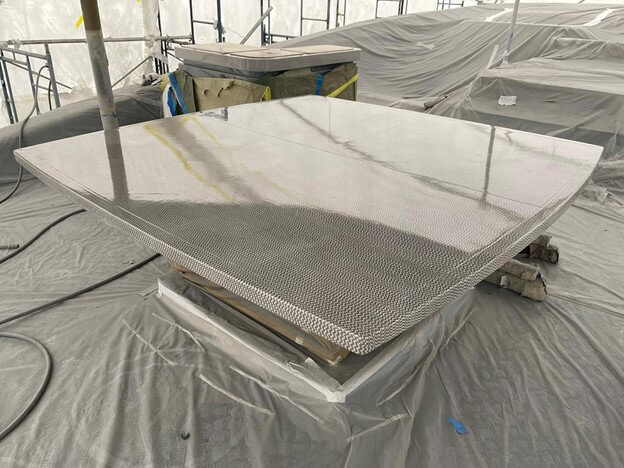
• Aesthetic Customization: Vinyl wraps allow boat owners to customize the appearance of their hull easily. They come in a wide variety of colors, patterns, and finishes, including matte, gloss, metallic, and even textured effects like carbon fiber. This makes it easy to change the look of a boat without committing to permanent paint.
• Protection: Vinyl wraps provide a protective layer over the boat's original surface. They can protect against UV rays, minor scratches and abrasions, helping to preserve the underlying paint or gel coat. The wrap acts as a shield against the harsh marine environment, including saltwater and sun exposure.
• Cost-Effectiveness: Vinyl wrapping is generally less expensive than a full paint job, especially for complex designs or patterns. It also allows for easier updates or changes because the wrap can be removed or replaced without damaging the original surface.
Why Wrap Your Boat?
Why would you want to wrap your boat? Depends—commercial and sponsored boats use vinyl wraps to display logos, advertisements, or company colors. This is particularly common in racing boats and charter services.

Recreational boat owners often use wraps for unique designs, such as camo patterns, racing stripes, or even artwork. And a wrap is a great way to give an older hull that’s faded and chalky a like-new look without the expense of a full sanding and professional paint job.
For trailered boats, it’s possible to have both the tow vehicle and the trailer wrapped to match the boat, creating a rolling advertisement that’s very useful for many companies.
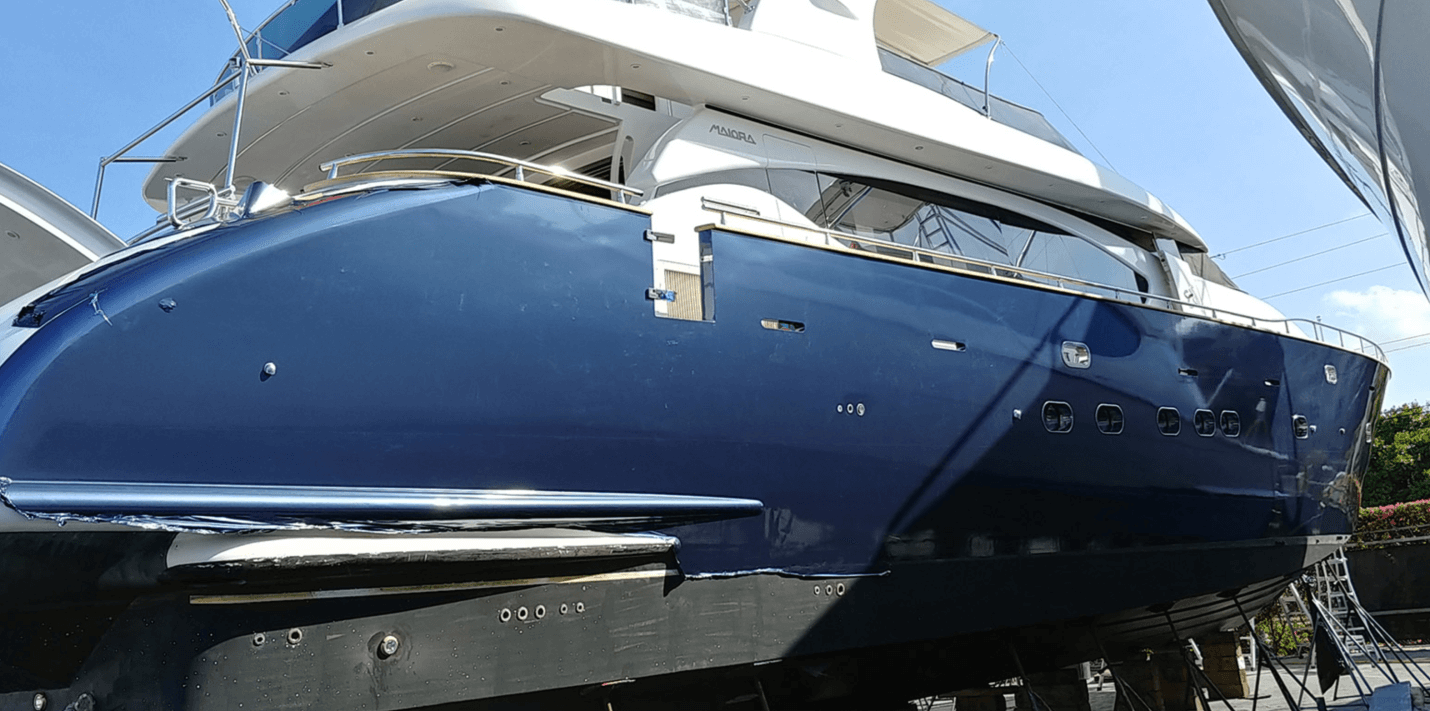
How They Do It
The process is not something most can do at home on larger boats, though there are do-it-yourself kits available. Professional installation is a much better route, and the pro’s had better know what they’re doing. Here’s the procedure:
• Surface Preparation: The boat's hull must be thoroughly cleaned and any imperfections such as large scratches or dents must be repaired before applying the vinyl or they’ll show through. A smooth, clean surface ensures the best adhesion and final appearance.
• Application: The vinyl film is carefully applied to the hull in sections. Installers use specialized tools to smooth the wrap and remove any air bubbles, ensuring a tight fit around curves and edges. Heat guns are often used to help the vinyl conform to the boat's contours.
• Sealing and Finishing: After the wrap is applied, edges and seams are sealed to prevent water intrusion and peeling. This may include using a clear coat or edge sealer.
Other Benefits of Wrapping
When the job is done, you not only have a unique and good looking design, you get several other benefits.
• Flexibility and Reversibility: Unlike paint, vinyl wraps can be easily removed if the owner wants to change the design or return the boat to its original appearance. This makes it a flexible option for those who like to update the look of their boat regularly.
• Durability: High-quality vinyl wraps can last several years, depending on exposure to the elements and the quality of installation. They are resistant to fading and cracking, but do best if stored in the shade, just as with paint or gelcoat finishes.
• Ease of Maintenance: Vinyl-wrapped boats are relatively easy to maintain. The surface can be cleaned with mild soap and water, and minor scratches can often be polished out.
The quality of the wrap depends heavily on the skill of the installer. Poor installation can lead to bubbles, wrinkles, or premature peeling. As in almost anything having to do with boats, it’s important to use a reputable professional for the best results.
While durable, vinyl wraps don’t generally last as long as a high-quality well-maintained marine paint job. They typically last 5-7 years, after which they may need to be replaced.
Disposal of vinyl materials may have environmental considerations because the wrap material is plastic-based. Some boat owners may prefer paint for its longer lifespan and fewer disposals over time.
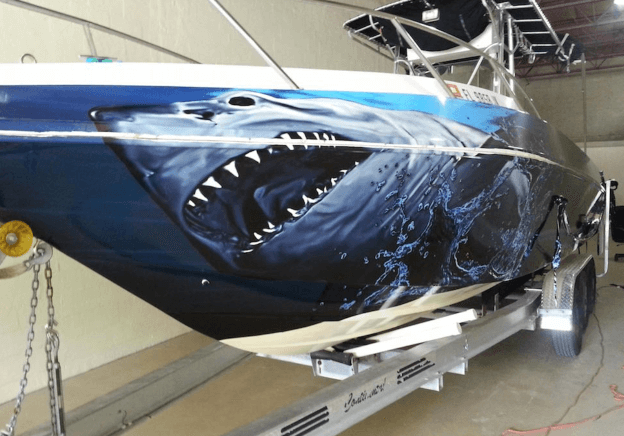
Overall, though, vinyl wrapping a boat's hull is a versatile, cost-effective method for customizing and protecting the boat’s exterior. It offers a range of aesthetic options, protects the underlying surface, and is easier to maintain than traditional paint.
Boat Wrap Companies