West Marine Ready for Bankruptcy?
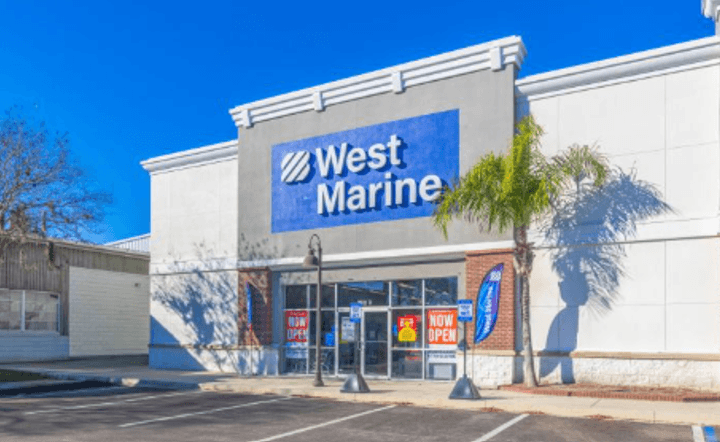
According to Bloomberg News, West Marine, the largest boating retailer by sales in the United States, is considering Chapter 11 protection from its creditors so that it can reorganize. The objective is to restructure debt, and lease obligations according to a May 2 Bloomberg article.
“The boat and marine supplies, retailer are laying the groundwork for a court-supervised process to address its financial liabilities. As part of the restructuring effort, the company is considering the closure of several store locations,” according to the news site.
The retailer held late-April talks with its owners Oaktree Capital Management and L Catterton, about how to overhaul its debt in conjunction with a business shift aimed at addressing its leases, according to one source. The discussions underscore how pressure from leases and slowing demand has pushed the retailer to reconsider its long-term footprint.
The cost of its leveraged buyout was not mentioned.
Private Equity Strikes Again, and Again
L Catterton, a consumer-focused private equity firm, acquired a controlling interest in West Marine from Monomoy Capital Partners in April 2021. The deal aimed to accelerate West Marine’s growth and enhance its digital and omnichannel capabilities. The previous owner was Monomoy Capital Partners which acquired West Marine in September 2017.
In early 2023, West Marine completed a recapitalization to secure $150 million in additional capital. L Catterton's investment was aimed at expanding the company's "on-water" retail experience and strengthening its position in the marine aftermarket industry.
Origins and Early Growth (1968-1996):
West Marine was founded in 1968 by Randy Repass in Sunnyvale, California, with the name West Coast Ropes, selling nylon rope from Repass's garage. The first retail West Coast Ropes store opened in 1975 in Palo Alto, California. With the acquisition of assets from West Products in 1977, the company changed its name to West Marine Products, Inc.
In 1978 West Marine established a wholesale division called Port Supply. In 1991, the first West Marine stores opened on the East Coast of the United States, in Miami and Annapolis, Maryland.
Ringing the Register at NASDAQ
In the late 1980s and 1990s, taking a retail concept public was all the rage, and hard-working store owners with a number of outlets and a good story, could become instant multi-millionaires by going public. In 1993 the company went public on the NASDAQ exchange (symbol WMAR). In 1996, West Marine merged with E&B Marine, to target a larger customer base of power boat enthusiasts and roughly doubled West Marine's footprint and pushed it firmly into power-boat retail, which had previously been less of a focus.
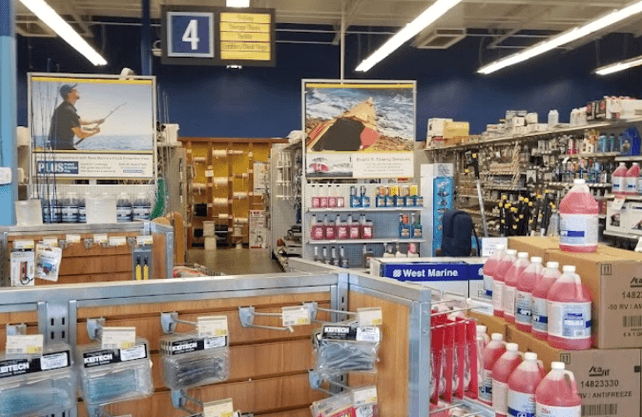
It was the age of big boxes, and the West premise was just that: offer wide selection, deep inventory and discounted sales leaders, and customers will come flocking. And, generally, all over the country, the dusty, cramped, disorganized ma-and-pa marine supply stores with managers and clerks who could tell you everything you needed to know – were put out of business.
Boat/US Unloads a Loser. In 2003 the company acquired the Boat U.S. Product Division, which had been a drain on the organization’s resources for years, even though Boat/US had over 500,000 members. BoatUS (Boat Owners Association of the United States) was and is primarily a membership/services organization — it offers boat insurance, towing services, marine financing, and runs advocacy work for recreational boaters. It was subsequently sold to GEICO Insurance which coveted its insurance business.
For about 24 years West Marine was publicly traded on NASDAQ as WMAR. But the company struggled in the 2000s and 2010s with secular headwinds — declining brick-and-mortar specialty retail, e-commerce competition (especially from Amazon), and the cyclicality of recreational boating spending tied to the broader economy. After the 2008 financial crisis, recreational boating took years to recover, which weighed on West Marine.
Private Equity (a.k.a., Other Peoples’ Money)
In June 2017, West Marine and Monomoy Capital Partners executed a definitive merger agreement under which a wholly owned affiliate of Monomoy would acquire all of the outstanding shares of common stock of West Marine at $12.97 per share in cash, which represented a total equity value of $338 million.
The price represented a premium of 32% over the 30-day average performance of West Marine's stock price reported on NASDAQ.
Monomoy is a middle-market private equity firm that focuses on operational turnarounds. Monomoy acquired West Marine under its private equity vehicle, Monomoy Capital Partners III, L.P., a $768 million fund raised in 2016.
Monomoy and its operating team partnered with management to improve operations across the business and transform the strategic direction of the company. The company said that it helped management more than double the West’s earnings during Monomoy's ownership while substantially increasing free cash flow.
Specific revenue, EBITDA, or leverage numbers from this period aren't public.
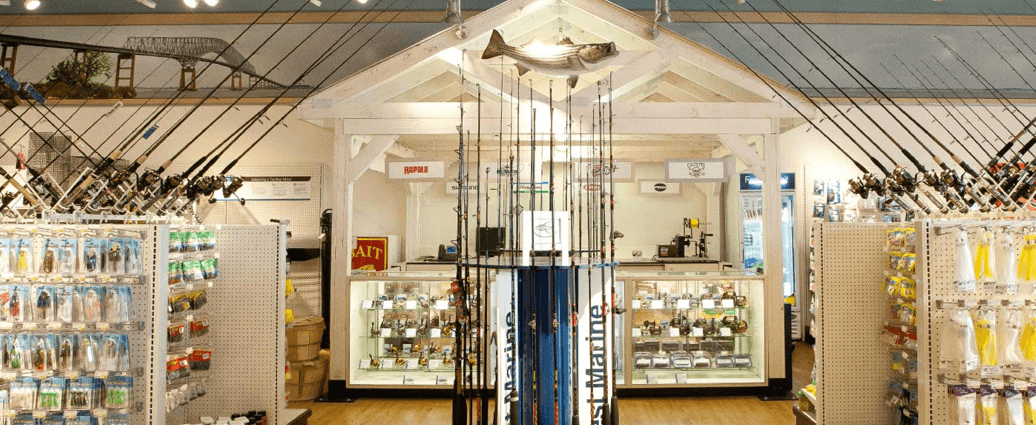
L. Catterton acquired West Marine from Monomoy Capital Partners in April 2021. Terms of the transaction were not disclosed. L Catterton has over $25 billion of equity capital across its fund strategies and 17 offices around the world, making it the largest global consumer-focused private equity firm. Committed debt financing was provided by Barclays Bank PLC, Golub Capital LLC, and Nomura.
Let’s Make a Deal. The deal price was undisclosed, it was a leveraged buyout (debt financing from Barclays/Golub/Nomura), and L Catterton was investing alongside Golub Capital as a co-investor on the equity side.
In August 2021 Eric Kufel was appointed as the new CEO. The company also moved its headquarters from Watsonville, California, to Fort Lauderdale, Florida, and currently operates approximately 247 stores in North America. From a customer’s perspective, not much changed for the better, and more stores were not the solution.
Under L Catterton ownership period West Marine has faced operational challenges, missed expectations, revolving-door mid-management, and declining sales as boat sales declines after the Covid 19 buying frenzy -- that offered hope -- but no long-term solution.
Chapter 11, if it comes to pass, is just another chapter in the company’s long history. No doubt, there will be more chapters.
Retail is a tough business.