What Is the Great Loop? Route & Bucket-List Adventure
By Rightboat Team
For adventurous boaters, few journeys rival the iconic Great Loop. It's more than a scenic route—it's a rite of passage. Winding through thousands of miles of connected rivers, lakes, canals, and coastal waterways, the Great Loop offers a rare chance to explore America’s natural beauty and maritime heritage in one epic voyage.
But what is the Great Loop, exactly? If you're a seasoned cruiser or a first-time dreamer, this guide covers everything you need to know—from the route and reasons people do it, to the rewards that make it unforgettable. Experience the journey of a lifetime with Rightboat by your side.
What is the Great Loop?
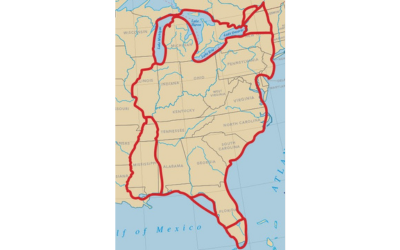
The Great Loop is a continuous waterway route that allows recreational boaters to circumnavigate the eastern half of the United States (and parts of Canada). The typical route includes:
- Atlantic Intracoastal Waterway—many begin in Florida, head up the Intracoastal Waterway along the Atlantic Coast, pass through Georgia, South Carolina, North Carolina, and into the Chesapeake Bay.
- Hudson River—Travel up the Hudson River past New York City, taking either the Erie Canal west to Lake Erie, or the Champlain Canal north to Lake Champlain (entering Canada this way).
- Great Lakes (primarily Lake Ontario and Lake Michigan)—From Lake Ontario, pass through Lake Erie, Lake Huron, and Lake Michigan. Stop at charming ports like Mackinac Island and large cities such as Chicago.
- Illinois, Mississippi, and Tennessee Rivers—Enter the Illinois River at Chicago, continue down to the Mississippi River, or detour via the Ohio River to avoid heavy commercial traffic. Progress towards the Tennessee River or Cumberland River, which is a scenic and popular detour. Join the Tennessee-Tombigbee Waterway (Tenn-Tom) to get to Mobile Bay, Alabama.
- The Gulf of Mexico—After Mobile, travel east along the Gulf Intracoastal Waterway. Pass through the Florida Panhandle, then down the west coast of Florida.
- Florida’s coastal and inland waterways—Return to your starting point (completing the Loop) in places like Clearwater, Ft. Myers, or Key West.
The full loop covers approximately 6,000 miles, though distances vary depending on detours and side trips. Many boaters complete it in one year by following seasonal weather patterns, while others stretch it across several years by doing it in stages.
This voyage is often called “America’s ultimate boating adventure” for good reason. It’s a journey through big cities, remote anchorages, historic canals, and wildlife-rich coastlines—all on your own terms.
While every Loop is different, most cruisers follow a counterclockwise direction—taking advantage of downstream river currents and ideal seasonal conditions.
Optional detours include:
- Lake Champlain & the Rideau Canal
- Nashville via the Cumberland River
- The Dismal Swamp Canal
- The Bahamas or Florida Keys for experienced offshore cruisers
Why the Great Loop is a Bucket List Journey
A voyage of ever-changing landscapes
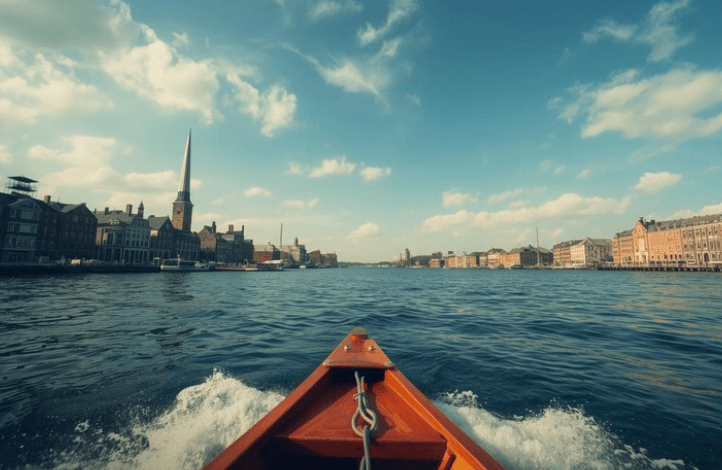
The Loop combines coastal cruising, inland rivers, scenic lakes, and historic canals. One week you’re exploring skyscraper-lined harbors, the next you’re anchored beside a quiet cypress swamp.
Skill-building adventure
The journey challenges boaters with tides, currents, locks, bridges, and docking in unfamiliar ports. Even experienced mariners sharpen their skills along the way.
A welcoming community
Loopers are part of a tight-knit community of cruisers who share advice, support, and camaraderie. From docktails to flotillas, the connections made along the Loop often last a lifetime.
A deep dive into American history
You’ll pass American Revolution and Civil War battlefields, historic canal towns, indigenous landmarks, and vibrant coastal cities—all seen from the unique perspective of your boat.
Choosing the Right Boat for the Great Loop
Given that there are thousands of boats one could do the Great Loop aboard, this is where things get personal. The “right” boat isn’t about brand or flash—it’s about what fits your lifestyle, comfort level, and the technical requirements of the route.
You can take on the Great Loop in anything from a compact trawler to a shallow-draft sailboat with a collapsible mast or a full-on motor yacht. What matters most is that your vessel meets key limitations and feels like home for the journey.
Consider This When Choosing Your Loop Boat:
Height (Air Draft): Your boat must clear the lowest fixed bridge on the Loop, which is 19 feet near Chicago. If your vessel’s too tall, you’ll need to detour or dismast—so measure carefully.
Depth (Draft): A draft less than 5 feet is recommended (4 feet is even better) to navigate the shallows found in canals, rivers, and some anchorages along the Loop.
Beam: Most locks can accommodate a beam of up to 23 feet, but many are narrower on some routes—around 19 to 21 feet—so it’s wise to stay under that for smoother passage through all lock systems.
Speed: The Great Loop isn’t a race—but your cruising speed impacts how long the journey takes. Most Loopers travel at 7–10 knots, which balances fuel efficiency with making decent progress. Faster boats can knock out the Loop more quickly, but may burn more fuel and miss the magic of slow travel.
Fuel Range: Some stretches—especially on the inland rivers—have long distances between marinas. A fuel range of 200+ nautical miles is a good benchmark.
Comfort: Will you be aboard full-time or doing it in segments? Is there space to cook, sleep, and relax for you and your crew? Prioritize what makes the boat livable for your needs.
In short: any boat that’s not too tall, not too deep, and suits your pace and comfort can be a Loop boat. It’s less about perfection, more about preparation.
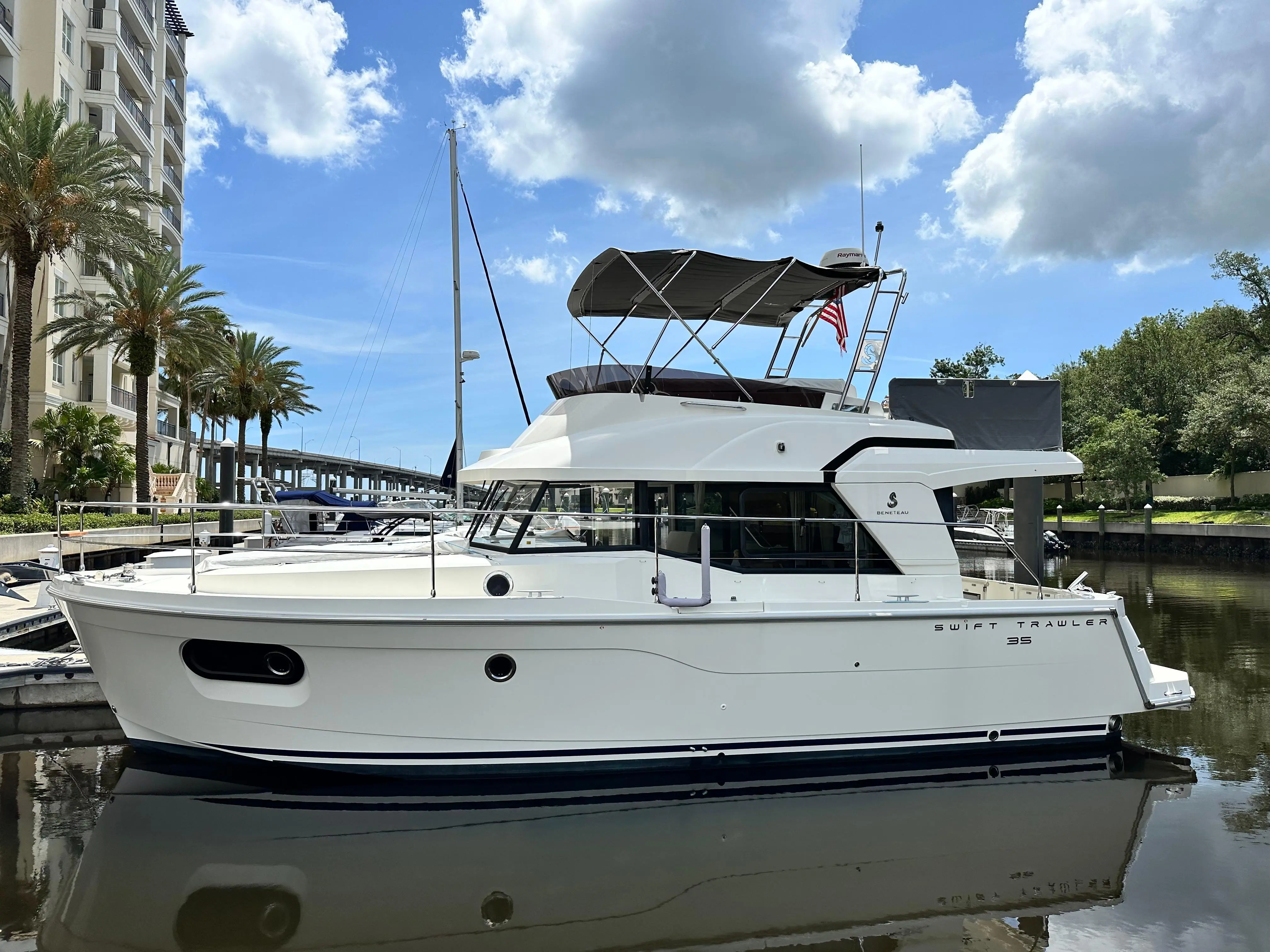
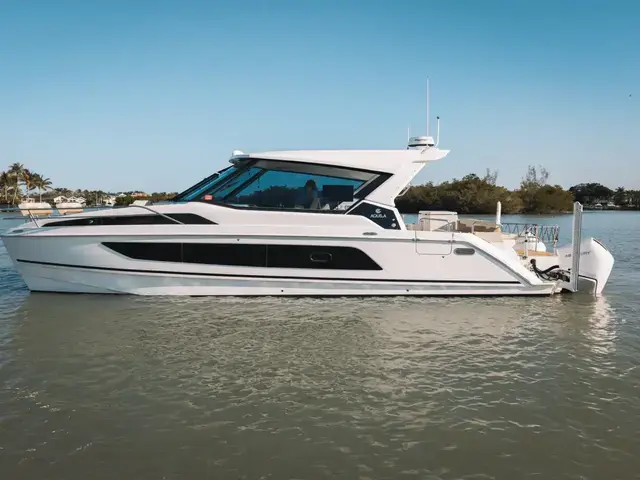
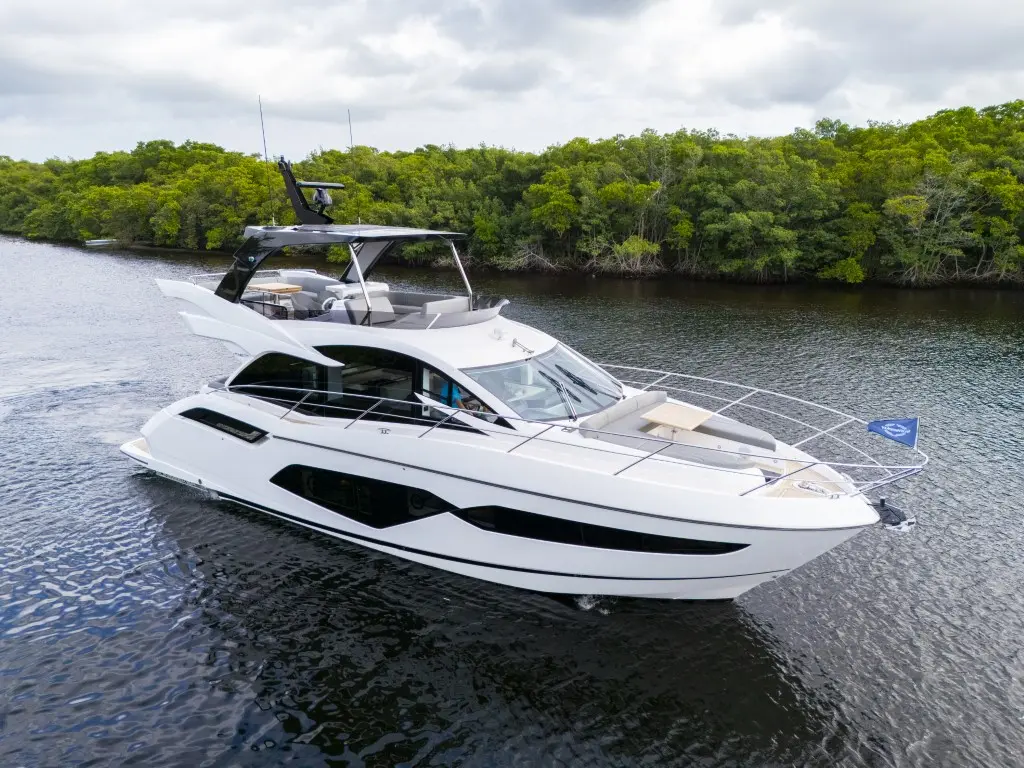
Explore some of Rightboats Great Loop Boats:
Keep in mind there’s no shortage of boat options, thousands of choices are available to take on the Great Loop.
Explore vessel types: trawlers, powercats, and motor yachts to find your dream craft.
Getting Started: Preparing Your Loop
If the Great Loop has sparked your imagination, here’s how to begin turning the dream into a plan:
- Pick your start point based on the season and your home port
- Plan your general route—but stay flexible
- Prep your vessel: check systems, safety equipment, navigation tools, and provisioning storage
- Understand seasonal timing: Most people begin in Florida in late winter or early spring, traveling north as temperatures rise
- Set a realistic pace: The average Great Loop trip takes 9 to 12 months, though some stretch it longer
The Great Loop Planning Checklist
Planning ahead is key to a smooth, safe, and unforgettable journey. Use this checklist as your foundation before you cast off:
- Timeline: Decide whether you’ll complete the Loop in one season or break it into stages—most cruisers take 9 to 12 months following seasonal patterns.
- Budget: Account for fuel, marina fees, maintenance, provisioning, insurance, and unexpected costs. Budgeting realistically takes into account mid-trip surprises.
- Provisioning: Stock your boat with enough food, water, spares, and essentials—especially for stretches where services are limited or anchorages are remote.
- Navigation & Rules of the Road: Make sure you’re comfortable using chartplotters, reading buoys, handling locks, and following inland waterway regulations.
- Communications: Equip your boat with a VHF radio, AIS, and mobile internet. Staying connected is critical for weather alerts, emergencies, and marina coordination.
- Safety Training: Brush up on basic seamanship, first aid, fire safety, and man-overboard procedures. Confidence on the water starts with preparation on land.
Ready to Chase the Loop?
The Great Loop isn’t just a boating route—it’s a transformative experience. From quiet rivers to buzzing marinas, and historic towns to hidden anchorages, every mile offers something new.
Find the boat that will take you there—Find your perfect boat with Rightboat and start your adventure today.”