What is Yacht Draught and Why Is It Important?
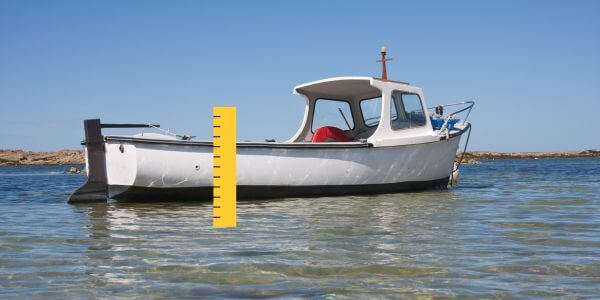
What is Draught and Why Is It Important?
When it comes to vessel design, performance, and cruising capability, one critical measurement often overlooked by newcomers is draught (or draft). This dimension plays a significant role in where a vessel can travel, how she handles in different waters, and even how she performs. But what exactly is draught, and why does it matter for any boat, large or small?
Understanding Yacht Draught
In simple terms, a vessel's draught refers to the vertical distance between the waterline and the lowest point of the hull or keel. It indicates how much of the vessel sits below the water, which directly affects navigation, stability, and efficiency for any boat, from a flats skiff to a large cruiser.
Vessels with a deeper draught have a lower center of gravity, providing better stability in open waters. This makes them ideal for offshore cruising. Conversely, vessels with a shallow draught can access more secluded anchorages and shallow waters, such as a back bay or a flats bank, without the risk of running aground.
Why is Draught Important?
Access to Cruising Grounds A boat’s draught dictates where she can go. Shallow-draught vessels, like a center console or a bay boat, can easily explore coastal areas and lagoons, while a deep-keel sailboat might be limited to deep channels.
Performance and Stability Draught significantly affects a vessel’s performance. Deeper draughts generally offer better stability in rough conditions, as seen in deep-V hulls designed for offshore performance. On the other hand, a shallower draught allows for greater maneuverability, which is especially useful for navigating confined harbors and marinas.

Fuel Efficiency A vessel’s underwater profile influences hydrodynamic efficiency. A well-designed draught ensures smooth water displacement, reducing drag and enhancing fuel efficiency. Yacht designers and naval architects carefully balance these considerations to optimize fuel consumption and performance for extended journeys.
Mooring and Docking Considerations Port restrictions and marina depths often dictate whether a vessel can berth at certain locations. For small boats, this can be as simple as being able to beach at a secluded island. For larger vessels, some Mediterranean marinas may have depth limitations that make it challenging for deep-draught vessels to dock.
Choosing the Right Draught For Your Yacht
Boat owners must consider their cruising preferences when selecting a vessel with the appropriate draught. If you plan on extensive offshore passages, you may prefer a deeper draught for enhanced stability and performance. For those who enjoy island-hopping and exploring secluded, shallow-water destinations, a reduced draught is a necessity.
Additionally, advancements in naval architecture have introduced innovative solutions, such as retractable keels and variable-draught designs, allowing some vessels to adapt to different cruising environments.