When Disaster Strikes: A Memorial Day Miracle at Jupiter Inlet
When Disaster Strikes: A Memorial Day Miracle at Jupiter Inlet
The serene waters off Jupiter Inlet, Florida, were the backdrop for a dramatic event this past Memorial Day weekend, a stark reminder that even the most anticipated holiday outings can turn perilous in an instant. What began as a leisurely cruise on a 48-foot yacht quickly escalated into a harrowing ordeal as the vessel erupted in flames and began to sink. Yet, in the face of this terrifying maritime emergency, a remarkable confluence of vigilance, preparedness, and human kindness ensured a truly fortunate outcome. This incident, while alarming, offers invaluable lessons for every boater, underscoring the critical importance of safety protocols and the profound impact of a good Samaritan.
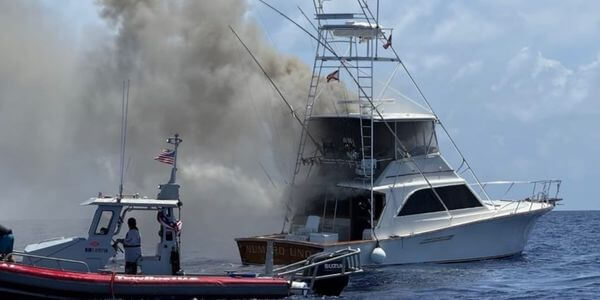
The U.S. Coast Guard Sector Miami was alerted to the unfolding disaster, responding swiftly to reports of a yacht engulfed in fire near Palm Beach. Images shared by officials depicted a scene of chaos: thick plumes of smoke and towering flames consuming the vessel, with debris scattering across the water. The gravity of the situation was undeniable. A burning, sinking boat in busy waters poses not only an immediate threat to those aboard but also a significant hazard to navigation for other mariners.
Crucially, in this terrifying moment, fate intervened in the form of a "good Samaritan." This unidentified individual, or perhaps a crew on a nearby vessel, without hesitation, came to the aid of the three passengers trapped on the burning yacht. Their quick thinking and selfless act were paramount, pulling the three individuals from the immediate danger of the fire and the impending sinking. The initial reports confirmed what every boater hopes to hear in such a crisis: all three individuals were rescued with no injuries reported. This detail transforms a potential tragedy into a powerful narrative of survival and the importance of community on the water.
While the cause of the fire remains under investigation, the incident itself serves as a loud and clear alarm for all those who venture out onto the water. Boating is an incredible pastime, offering unparalleled freedom and connection with nature, but it carries inherent risks. This Memorial Day incident, despite its happy ending, highlights several non-negotiable aspects of safe boating.
Firstly, vessel maintenance is paramount. Fires on boats often originate from mechanical or electrical failures, fuel leaks, or overheating engines. Regular, thorough inspections and maintenance by qualified professionals are not just recommendations; they are essential for preventing catastrophic events. Before every outing, a comprehensive check of the engine, electrical systems, fuel lines, and bilges should be standard practice. Looking for any signs of wear, leaks, or unusual odors can be the difference between a smooth trip and a distress call.
Secondly, the importance of essential safety equipment cannot be overstated. Every boat, regardless of its size, should be equipped with a properly maintained and easily accessible fire extinguisher. In fact, multiple extinguishers are advisable, strategically placed throughout the vessel. Beyond fire suppression, a well-stocked first-aid kit, flares or other visual distress signals, a sound-producing device (like a horn), and a reliable VHF radio are critical. Personal flotation devices (PFDs) for every person on board, and easily accessible, are absolute necessities. It's not enough to simply have them; they must be in good condition and readily available for immediate use. The swift rescue in this case undoubtedly benefited from the passengers being able to stay afloat or be easily spotted.
Thirdly, emergency preparedness and a clear plan are vital. What would you do if your boat caught fire? Do you know how to operate your fire extinguisher? Do your passengers know where the safety equipment is located and how to use it? Having a pre-determined emergency plan, and even conducting drills, can significantly reduce panic and improve response time in a crisis. Knowing how to communicate a distress signal, understanding the proper protocol for abandoning ship, and having a rally point in the water are all crucial elements of a well-rehearsed plan. The presence of debris in the water, as noted by the Coast Guard, also highlights the environmental impact of such incidents and the importance of having contact information for salvage operations.
Finally, and perhaps most heartwarming, this story is a testament to the spirit of good Samaritanism that is deeply ingrained in the maritime community. When faced with a crisis, boaters often demonstrate an extraordinary willingness to assist those in distress. The actions of the good Samaritan who rescued the three individuals from the burning yacht embody the very best of this tradition. While emergency services like the Coast Guard are indispensable, the immediate response of nearby vessels can be the critical factor in saving lives. This emphasizes the responsibility we all share as mariners to be aware of our surroundings, to be prepared to assist, and to look out for one another on the water.
The Memorial Day yacht fire near Jupiter Inlet, though terrifying, serves as a powerful reminder of the unpredictable nature of the sea and the enduring value of safety. The fact that all three boaters were rescued without injury is a testament to the effectiveness of good Samaritan intervention, the responsiveness of the Coast Guard, and, hopefully, some level of preparedness on the part of the yacht's occupants. As we continue to enjoy the beautiful waters of Florida and beyond, let this incident be a potent lesson: always prioritize safety, equip your vessel, plan for emergencies, and always be ready to lend a helping hand. A good ending, like this one, is not just a stroke of luck; it's often the direct result of good judgment and selfless action.
Want to read about more close calls? Click here to see our weekly accident report and gain access to the archives.