Brief Summary
Older boats without a well-functioning engine, or, perhaps one that doesn’t work at all, means the value of that boat has gone to zero. The solution to protecting that investment – and fun for the whole family – is to repower the boat.
Key Features
Specifications
| Type of Engine | |
|---|---|
| Number of Cylinders | |
| Horse Power | 1 |
| Configuration | |
| Weight | |
| Fuel Type | |
| Fuel Delivery | |
| Shaft Length Options | |
| Shift Throttle Control | |
| Displacement | |
| Steering Control | |
| Recommended Fuel | |
| Alternator Output | |
| CARB Rating | |
| Engine Monitoring System |
Captain's Report
Contents of Report
Replacing old engines can be less costly than one might think, depending on the condition of the engine. For example, perhaps only a new block is needed, or a new block and some of the additional parts, but not all.
Engines No More. Virtually all sterndrive and inboard gas engines used in the marine industry from 1985 until 2014 were supplied by General Motors. These engines were marinized by a dozen companies, the more prominent of which were Mercury Marine and Volvo Penta. Other brand names Crusader, PCM, Marine Power, Indmar, Flagship and others.
GM is no longer making the 3.0 L, 5.0 L, 5.7 L, and 8.1 L blocks. What’s more, while some of the companies used to make re-manufactured engines available – the supply of these engines has virtually dried up.
The Best Solution. Happily, Quicksilver, a division of Mercury Marine, has what is for most boat owners the best solution. It has blueprinted the old engines with 3D technology and has recreated the 3.0 L, 5.7 L and the 8.1 L engines, and is now building them new.
In fact, they are better than new, because in places where the GM blocks were actually too weak for sustained marine use, the blocks have been modified to be stronger. Further, the pistons are made of a different alloy, which is more heat-tolerant, and other components have been improved as well. With more than 30 years of experience with the old GM blocks, Mercury is well aware of their vulnerabilities and has taken steps to make them more durable.
New Legacy Engines from Quicksilver
Boaters looking to replace a 3.0-liter engine, a small-block V-8 such as a 350 or 383, or even a 496 V-8 now can replace those engines with brand-new ones, manufactured by Quicksilver. Not only that, but they have three choices as to how complete the engine might be—
- Long Block
- Crate Engine
- Fully-Dressed Engine
This report looks at the Long Block and Crate engine repowering solutions.
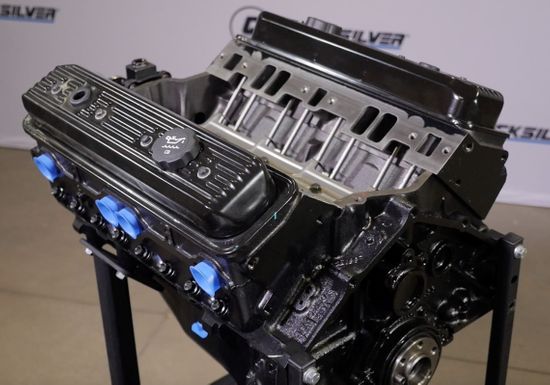
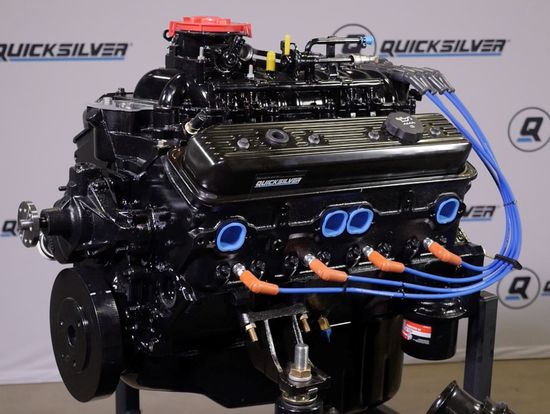
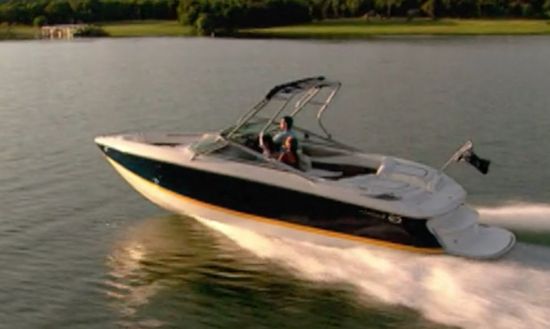
Older boats have their charms, and many families pass them down to the next generation to keep the boating tradition alive for children and grandchildren. Unfortunately, the family boat and investment can become worthless with a catastrophic engine failure.

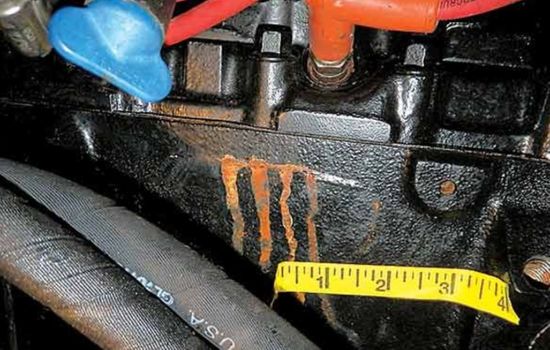
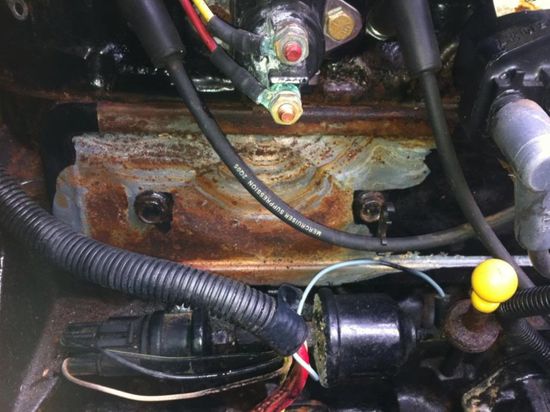
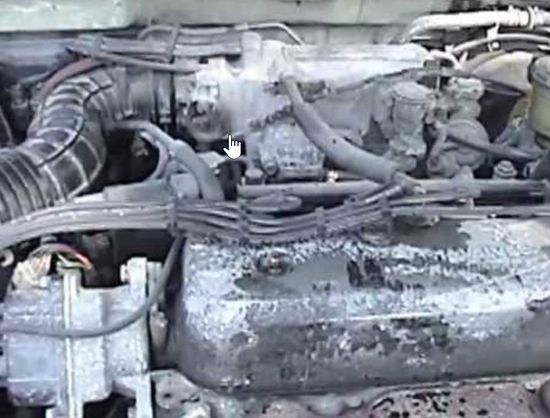
Engine failures can be caused by freeze damage or otherwise cracked blocks, overheating, warped heads, severe corrosion, neglect, and just plain old age. It’s pretty obvious what happens to boats when engines can’t be fixed and are not replaced. While the fiberglass will last forever, the engines – no matter what the brand – will not.

What’s in the Engine Box?
Virtually all inboard and sterndrive gas engines from 1985 to 2010 started life as General Motors engine blocks that were marinized. But GM stopped making them years ago. So, today, they are not available from any marinizer, and even remanufactured engines are largely no longer available.
These engines are the 3.0-liter, small-block V-8s such as the 350 and the 383, and 8.1-liter GM engines used in both sterndrive and inboard applications for sportboats, fishing boats, tow-sports specialty craft, and larger cruising boats in twin applications.
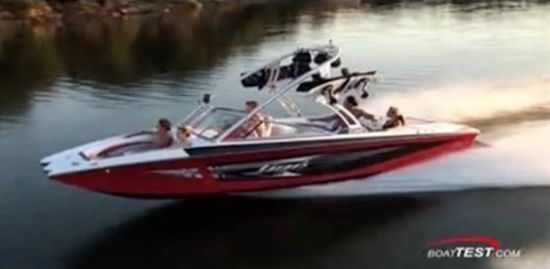
That means that hundreds of thousands of boats that are powered by those old engines risk becoming worthless if their engines have catastrophic failures, lose power, or deteriorate over time. Those engines were built by Mercury, Volvo Penta, Crusader, Marine Power, Flagship, Indmar, PCM, and others.
Now for the Good News
Quicksilver, a division of Mercury Marine, is building those old engine designs as brand-new engines from scratch – from the block on out. Since there have been many advancements in technology over the last 30 years, and Quicksilver has had the benefit of 30 years to study the failures of the old designs – the new ones they are making are redesigned to be much more durable than the legacy engines they are replacing.
It’s literally taking 20-20 hindsight and turning it around to look forward. These engines are designed to fit the power, size, and weight specifications that will make them at home in the engine box of those classic boats, but with improvements in casting, cooling, and lubrication systems that will make them better, more reliable engines. So now, owners of old boats with tired or unserviceable engines from most brands have three major solutions for protecting their boating investment and having family fun on the water.

Quicksilver Long Block
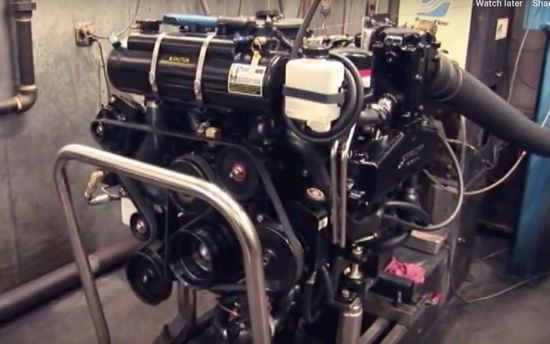
It is the least costly way to resurrect a boat that has a damaged engine block. Least costly, that is if all of the other parts needed for an operating engine are serviceable. By reusing everything except the Long Block itself, which contains the pistons, valves, crankshaft, and oil pan, substantial savings can be made in parts.

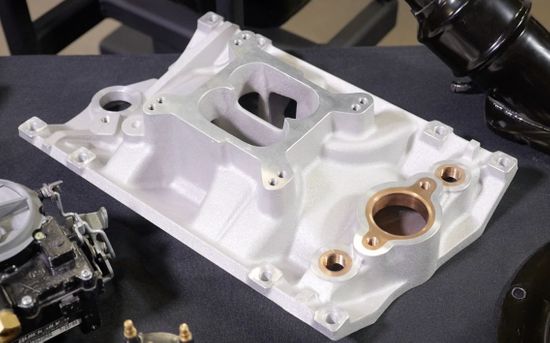
The parts needed to complete the job would cost two or three times as much as the long block itself if purchased new. There are major parts needed to make the long block into an engine, and the idea is that a boater doing a repower using a long block will reuse many of the existing parts.
One key is to focus on an inspection of the exhaust system components, to make sure there are no cracks and minimal corrosion. Also, make certain the parts of the distributor in good condition, and that the fuel delivery system is working properly.
Major Parts Needed for a Long Block
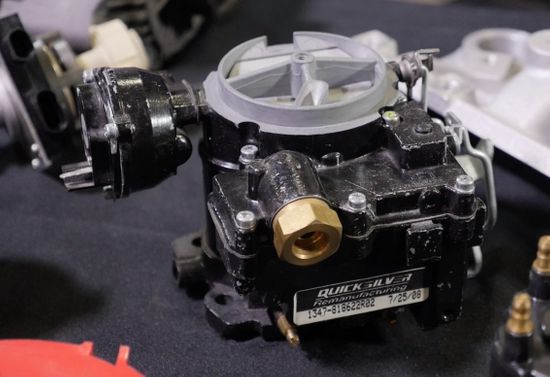
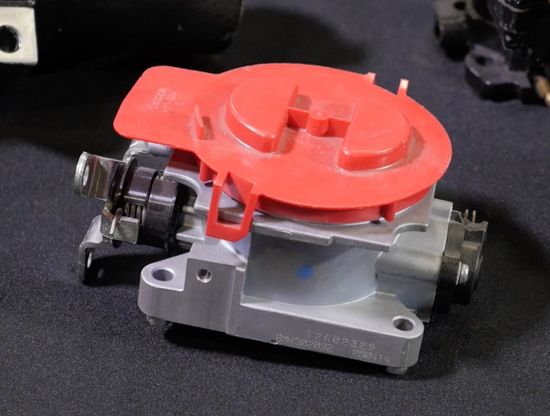

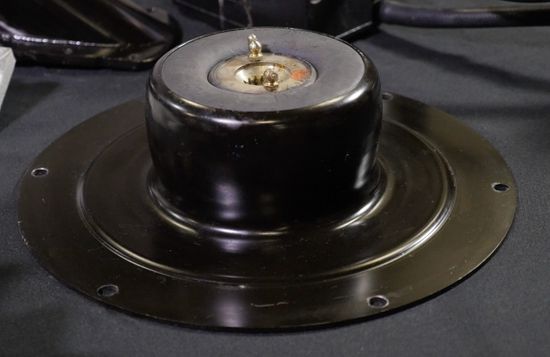
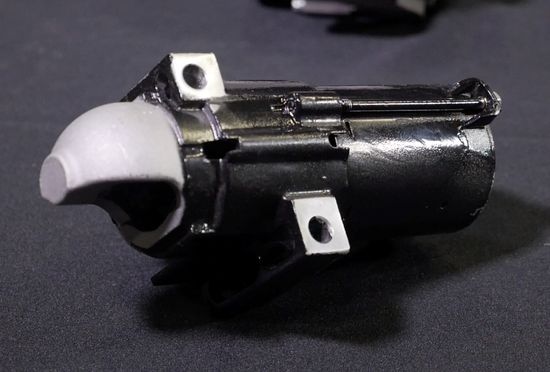
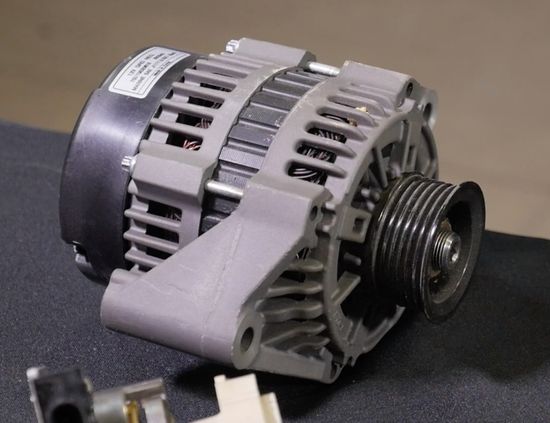
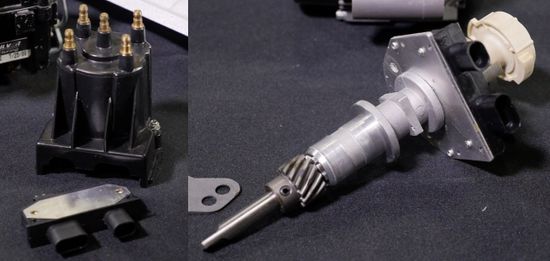
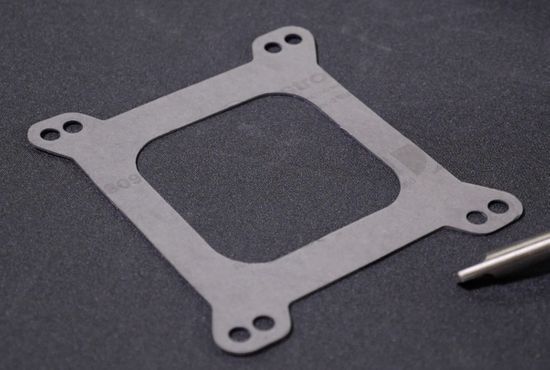
One Caveat: It’s best to be sure the problem is a definitive block failure before embarking on a repair using the long block. The trouble with buying a long block is that sometimes it is not obvious what caused the original block’s failure in the first place. If the engine failure was not caused by freeze damage, it could be caused by a fault in the cooling, fuel, or ignition system.
Quicksilver Crate Engine
The second solution is the Quicksilver crate engine. Remember, just like the long block, Quicksilver is the only company that is making these legacy engines. There are only six major parts groupings that have not been incorporated into the crate engine, including all of the parts that may have caused failure in the original engine, including the fuel and ignition system. Now boaters don’t need thorough checks on existing critical parts such as fuel injectors, the distributor, the intake manifold and more which take time and rack up labor bills.
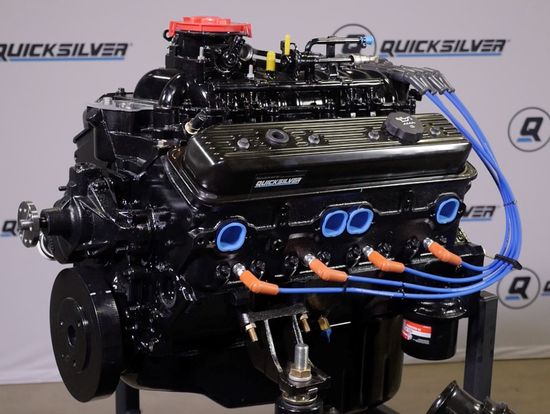
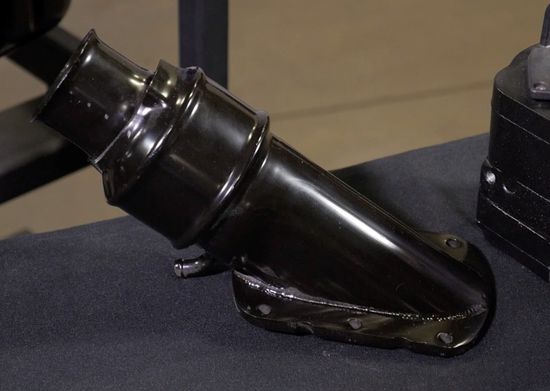
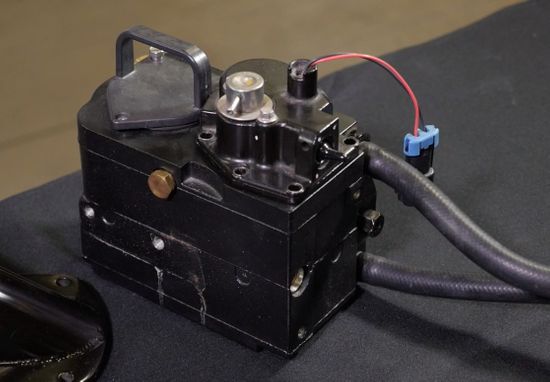
The crate engine still requires that the boater use existing parts in order to save money, including:
- exhaust components
- the alternator
- fuel-delivery-system components
- starter motor
- engine coupler
- raw-water pump

Quicksilver Complete Engines for Repower
But what if old Betsy’s engine is just old and tired? The distributor is 30 years old, the carburetor is 40 years old, it has high engine hours, or there is lots of corrosion.
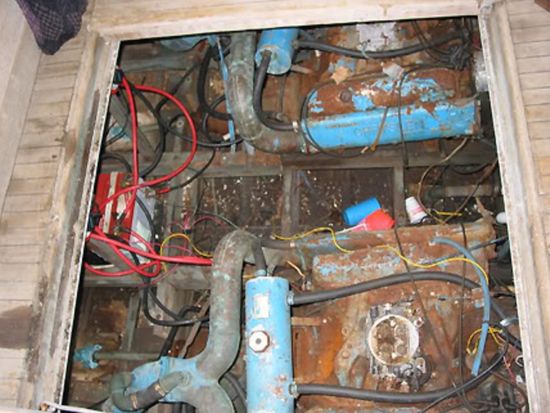
Many parts that could have been replaced or reconditioned over the years, but they weren’t, and that’s why the third solution will be the best for many people because it is so simple: A completely new Quicksilver engine, fully dressed and ready to go, can be installed quickly, with lowest labor hours of the three solutions, and a full three-year warranty that ensures worry-free operation so there’s no hassle. And perhaps best of all, it gives old Betsy decades more life and gets the family out on the water.
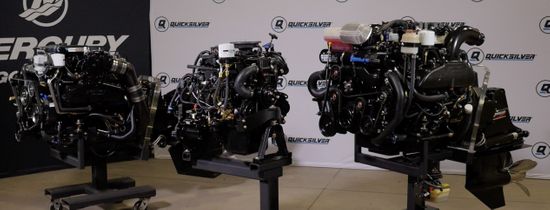
Why Not Repower with a Brand-New Current Model Engine?
The question might beg, why not buy a new catalyzed engine to put in the old boat? The answer is because the boat was not designed for the new engines, which are usually larger, taller and may not fit in a small envelope that was not designed for them.
The box size, position of through-hulls, engine mounts, bulkheads and clearances on all six sides might require extensive modification to the boat. The second reason is that these engines are probably more durable than most new engines on the market because they haven’t done a 25-year shakedown like the legacy engines.
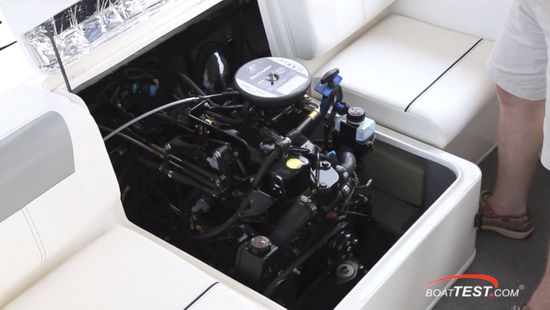
And once again, only Quicksilver makes new engines to these legacy designs. Because it is a legacy design it will fit in the exact location of the old one it replaces.
Consumer Caveat: Automobile Engines
Many boaters looking for a low-cost way to replace their marine engine will consider using an automotive engine – that could be a costly mistake. Automobile engines are mass-produced as cheaply as possible and cannot take the constant high RPMs, high temperatures, long idle periods, and dampness of the marine environment, much less the corrosive aspect of saltwater. That’s why there are a dozen companies in the engine-marinizing business. Buying an engine from any one of them would be better than buying an automobile engine.
Summary
This report focuses on Long Block and Crate engines, their pros and cons, and the part necessary to make them viable options for repowering. Be sure to see our video and report on the advantages of repowering with a fully dressed Quicksilver engine.