Boat Buying in 2010
Report Highlights:
- New boats for sale in 2010
- Boat values in 2010
- Boat loans more difficult
- Boat dealers of the future
“To buy this year when I know prices
are great, or wait until next year when the great deals may be gone,” that is the
question? The uncertain economy has stopped many boaters in their buying tracks.
Still others are making tracks afraid that the window of buyer opportunity will
not last long. Indeed, new boat sales have been nicely up the last couple of months.
We’ve been saying for six months that 2009 will be the best year in history for
the consumer buying a new boat. But there is no denying that the current credit
crisis is forcing rapid and fundamental changes in the boating industry. We think
it will affect the way you buy a new boat sell your used boat in the future, and
maybe as soon as next year. Join us for a look at some of the possibilities --
|
|
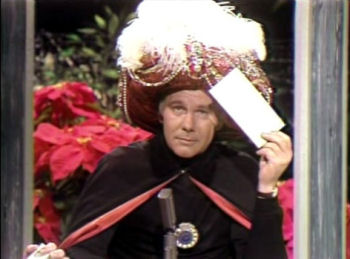
And the question is… “Should I buy a boat this year or wait until next year?” |
Eighteen months ago there were five major institutions lending money nationwide
to boat dealers so that they could buy boats from boat builders and have them in
stock for their customers. The dealers or the builders paid the interest on those
loans (called “floor plans”) until the boats were sold and the bank was repaid.
Usually the bank immediately made that money available again and the dealer immediately
bought another boat to replace the one that was sold.
This system worked for a long time and it allowed boat builders to schedule their
production. Dealers would go to “dealer meetings” in the summer see the new models
for the following year, and place orders for boats to be delivered in the fall,
winter, spring and following summer. With these orders the builders hired staff
as needed and bought materials and started advertising the boats so people would
go to dealerships and buy them. Ideally, the winter’s production was sold off at
retail by mid July.
The boating industry does not work like that anymore.
The Only Game in Town
Now there is only really one major financial institution in the business of boat
dealer floor plan lending and that is GE Capital. GE Capital has raised rates and
drastically cut back the amounts they will lend boat dealers. Bank of America is
no longer a major player and seems to be scaling back its floor planning and others
nation-wide banks are minor players. Local banks have also cut back lines of credit
or curtailed them altogether. At the same time banks are making it more difficult
for consumers to get boat loans by requiring high credit scores, larger down payments
and raising the interest rates.
For all of the talk about TARP and TALF funds making leading to small businesses
easier, credit for the boating industry has steadily gotten tougher.
Possible Changes Coming
1. Fewer Boat Dealers
This is a trend that has been going on since the 10% Luxury Tax put big boat dealers
out of business for nearly three years in the early 1990s. The bumpy years since
the turn of the century have driven more dealers out, and in the last nine months
the credit crunch, the economy, and lower business values are all forcing more to
shut their doors. One company tells us they have lost over 15% of their dealers
during the last year, and in other cases builders have lost their biggest-selling
dealers.
But there will still be boat dealers. But it may mean that when you go to buy a
boat in 2010, you may have to drive farther to see all of the brands you would like
to check out before making a decision.
2. New Dealers
We would not be surprised to see more traditional boat brokers and marinas taking
on boat lines. For example, HMY has for years been both a broker but also is the
largest new boat dealer for Viking and Viking
Sport Cruisers. In Europe boat brokers
have been new boat dealers for decades. Increasingly we see marina’s beginning to
hang out new boat shingles in the U.S. But we doubt that these dealers will be stocking
in the traditional way.
3. Factory-Direct
Factory-direct is how the boat business started and some, low production builders
are flirting with that model today. Builders of very large boats often don’t have
dealers and have customarily paid brokers a “finders” fee for bringing customers
to the yard. This practice could slide right down the size range as builders of
smaller boats find themselves with too few dealers or no dealers in some territories.
Variations on this theme may develop.
4. Hybrid Dealer/Factory-Direct
One variation is what Regal started a few years ago. It was the first company we
know of which started a hybrid dealer/factory-direct program with just one of its
models, the then-new 5260. Because the boats would cost about $850k fully optioned,
Regal figured that most of its dealers would not want -- or be able – to stock the
boat. For that reason, the factory partnered with the dealer. The dealer would not
have to stock the boat, but he could sell the boat, take the trade and service the
customer after delivery. He would be paid a fixed commission for his efforts. The
factory would work with the customer after a contract was signed to customize the
boat and commission it. The program has worked well and the Regal 5260 has been
back-ordered since its introduction, and dealers seem to be quite happy with it.
5. Fewer Boats in Stock
Next year you will find far fewer boats in stock simply because the banks have cut
back on the amount of floor planning they will entertain. Already, major companies
have announced nearly a 50% cut back in floor planning dollars for the next model
year. That means that the likelihood of the dealer having the exact model you are
interested in will be far less than before.
6. Price-Shopping Curtailed
When dealers have no inventory in the model you want (and are not paying monthly
interest on the floor plan loan), much of the buyer’s leverage to grind down the
price will be lost. The boats that are in inventory will probably be the smaller
boats and ones less popular to discerning buyers.
7. Boats Built to Order
In the future many dealers will only place orders to have boats built once the consumer
has signed a contract and placed a deposit. In fact this procedure is going on now
with most boat builders but it is not obvious because of the large overhang of 2009
and non-current inventory. Consumers will learn how great they had it when they
could just waltz into a dealership and buy the boat they wanted off the floor or
back lot.
8. Waiting for the Build
A corollary of building to order, is the necessity of having to wait for the build.
Most builders have cut back factory crews from 10% to 20% of what they were two
years ago and they are not likely to hire back many workers until long-term production
planning can take place. That means longer lead times and longer waits for consumers
for both large and many small boats.
9. Earlier Decision Making
Certainly some size ranges and some brands will be in stock, although less plentiful.
This will put pressure on consumers to buy sooner to make sure they get the boat
they want before someone else buys it. And veteran and discerning boat owners won’t
buy just anything that is available -- they want what they want. They will have
to decide early and make sure there is enough time for the boat to be built.
10. Your Money Will Be Tied Up Sooner
Essentially, with credit curtailed to the boating industry, the consumer may have
to put his cash in the game at an earlier point. Deposits will be required at the
time of ordering and depending on the builder, progress payments may be due, as
they are customarily for large motoryachts and custom-built boats. In this way the
consumer and the consumer’s credit will be helping finance the build for the dealer
and builder.
11. Taking Delivery Sooner
Starting next year or whenever you order a boat, you will have to pay for the boat
when it is ready, even if that is January or February, eventhough you do not plan
on using the boat until June.
12. Taking Delivery Later
Unless you have a rock-solid contract on delivery date, you may well find that your
boat has been delayed in production. You may want the boat in June but get it in
August. Don’t assume builders will agree to a hard date for delivery, as many experienced
ones will not because there are simply too many things that can go wrong.
13. Will Discounts Disappear?
For the last three years boats have been discounted and, of course, never
as they have been the last nine months. As the overhang of excess inventory is sold
off, and not replaced, the financial imperative for dealers to discount will greatly
diminish. Factory rebates will dry up. While there will always be someone discounting,
will that be for the boat you want?
14. How Will Trade-ins be Affected?
Much of the industry has lived on taking trade-ins and then re-selling the used
boats. The trouble is that many savvy dealers are finding this year that the amount
they valued a trade last year was far too high and they are underwater on their
trade-ins. We think that dealers will be choosy about which boat they will take
in trade and how much they give for it.
15. FSBO (for sale by owner) May Grow
Increasingly, consumers will have to sell their own boat to have a good chance to
maximize the income from it. More dealers than ever will be recommended this approach.
The Internet is a low-cost and effective way to sell a used boat privately and so boats
listed there will increase. Dealers will also take boats on consignment or broker
the used boat for the industry standard of 10% commission.
16. Higher Interest Rates
Home mortgage rates seemed to have bounced off the bottom of 4.5% that they saw
a few months ago and are now over 5%. The 10-year Treasury yield is beginning to
push 4%. TARP funds have to be paid back with 5% interest. None of this sounds like
a trend to lower interest rates to us.

|
What is in your crystal ball for the future of boat buying? We’d like to hear your
comments…