Oil Testing
Is your engine wasting away under your deck shoes? One day will something in its innards finally reach the breaking point, bringing things to a rapid, inconvenient, and usually expensive, halt? Could a little preventative maintenance now save you big bucks later on? One way to find out is by having your lube oil analyzed regularly – at every oil change is best. The cost is minimal, and the detailed lab results will tell you if all is well inside your crankcase – or if it’s not, what to do about it. Oil analysis isn’t just for diesels, either.
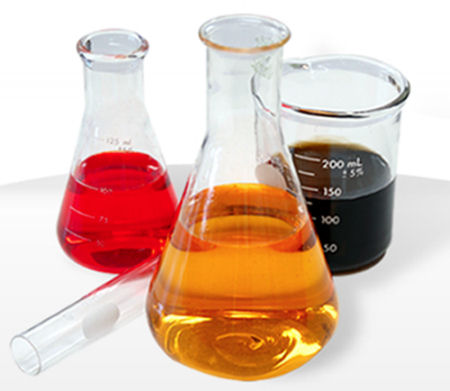 A simple, inexpensive oil analysis can save you thousands on engine repairs, and prevent breakdowns before they happen. Photo © Blackstone Laboratories. |
You don’t know what quiet means until your diesel goes “clunk” and dies -- silence may be golden, but “clunk” rarely bodes well. “Clunk” is what a snapping crankshaft sounds like, for example. I once lost a crank halfway across the Gulf Stream, leaving me adrift on a moonless, star-filled night. Mea culpa: If I had included oil analysis in my regular maintenance program, it would have warned me things were not copacetic inside my diesel before I found myself communing with nature.
Analysis of lube and transmission oil is a dirt-cheap service that can pay you back many, many times over by discovering incipient problems before they become disasters. Most labs charge less than $25 for a standard oil analysis, which, includes a spectroscopic exam to determine the levels of metals, additives and possibly coolant in the oil; determines viscosity; and measures the percentage of solids in the oil. Other, specialized tests are available if necessary. And it’s not just for diesel engines: Analyzing oil from gas engines and/or gearboxes is smart, too. It’s not only cheap, but easy – so why aren’t you doing it? Here’s what you need to know to analyze your oil.
First, find a lab; most can provide all the equipment and supplies you need to draw and submit the sample. Polaris Laboratories (877-808-3750; www.polarislabs1.com) and Blackstone Laboratories (260-744-2380; www.blackstone-labs.com) are two good ones, but an internet search might turn up one in your neighborhood. SeaKits (978-779-5211; www.seakits.com) sells a variety of fluid-analysis kits packed in a waterproof box; prices include prepaid mailers for sending your samples to Polaris. A kit with a vacuum pump, tubing for drawing the samples, three collection bottles and three prepaid analyses costs around $100.
Always analyze oil that’s been circulated through the engine enough to pick up impurities and contaminants. The only time most people analyze oil is when they’re buying a used boat – surveyors always recommend it -- but often brokerage boats have been laid up with fresh oil in the crankcase. Analyzing fresh oil won’t tell you much. Instead, draw a sample from oil with 30 or 40 hours on it, at least, or take one when you change the oil. You need only a few ounces. Run the engine until the oil is hot before sampling.
An oil-change system makes sampling easy, but take the sample when about half the old oil is pumped out. You don’t want to sample from the first oil that comes from the bottom of the sump, where lots of gunk collects. You can use the dipstick pipe, too – a better method if you’re sampling between changes. Withdraw oil using a pump attached to tubing pushed down the pipe. Labs sell inexpensive (about $25) vacuum pumps specifically for this purpose. Measure the dipstick and insert the same length of tubing so you don’t sample the dregs of the sump. Discard the tubing afterwards – reusing it could contaminate later samples with remnants of earlier ones. Fill out the analysis form and send the sample jar to the lab. In a few days you’ll get the results (usually via fax or email) with any potential problems highlighted. Discuss actions and remedies with your mechanic.
At $25 a pop, you can’t afford not to sample your oil on a regular basis. If it saves you one “clunk” over your entire boating life, you’re ahead of the game.