Why You Die - Lessons to be Learned
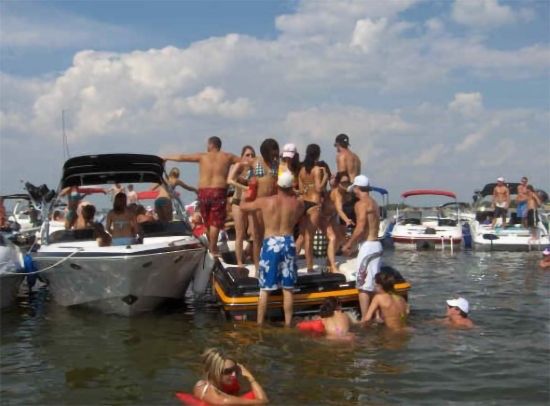
Boating remains a top recreational activity in the United States. However, year after year people die from injuries sustained while playing on the water. Many of these injuries and deaths could have been avoided. The 2017 Recreational Boat Statistics report points out the major causes and suggests how they may be avoided. The following is a summary of this lengthy report.
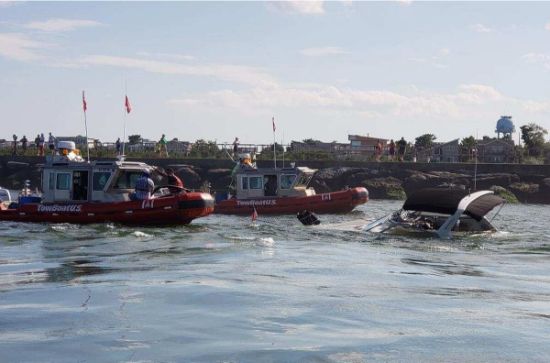
In 2017, the Coast Guard counted 4,291 accidents. These 4,291 reported recreational boating accidents includes 658 deaths, 2,629 injuries and approximately $46 million dollars of damage to property as a result.
The fatality rate is down. The 2017 fatality rate was 5.5 deaths per 100,000 registered recreational vessels. This rate represents a 6.8% decrease from the 2016 fatality rate of 5.9 deaths per 100,000 registered recreational vessels.
Compared to 2016. The number of accidents decreased 3.9%, the number of deaths decreased 6.1%, and the number of injuries decreased 9.4%.
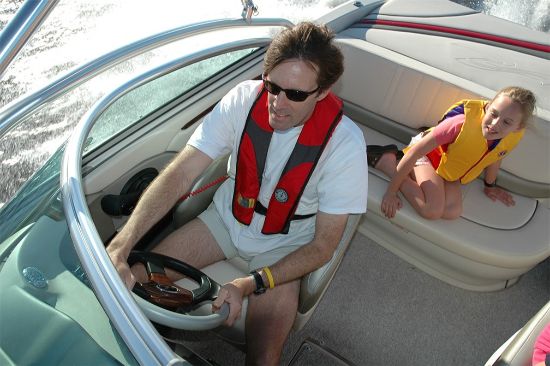
Drownings. Where the cause of death was known, 76% of fatal boating accident victims drowned. Of those drowning victims with reported life jacket usage, 84.5% were not wearing a life jacket.
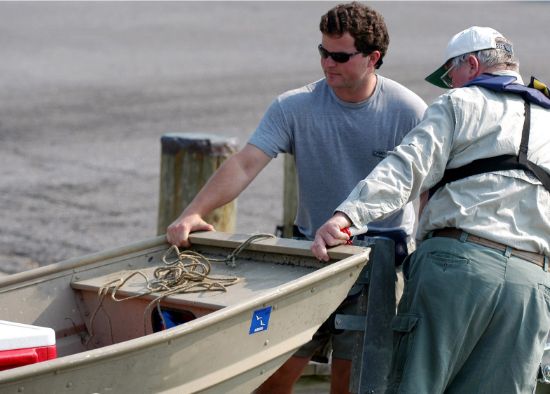
Vessel size matters. Where length was known, 80% of boaters who drowned were from vessels less than 21' (6.4 m) in length.
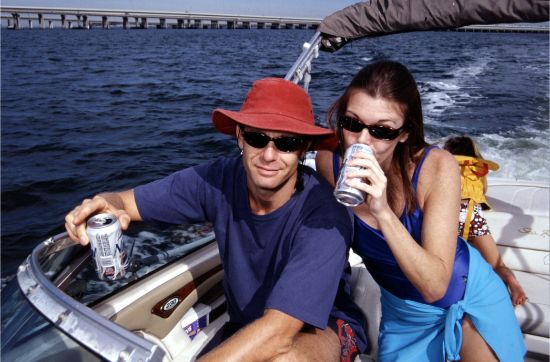
Alcohol use. In fatal boating accidents where the primary cause was known, alcohol use was listed as the leading factor in 19% of deaths.
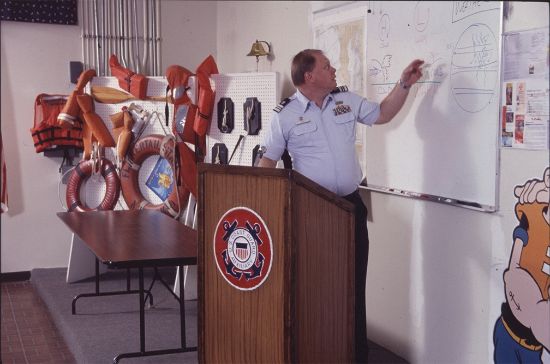
Boating safety courses. Where instruction was known, 81% of deaths occurred on boats where the operator did not receive boating safety instruction. Only 14% percent of deaths occurred on vessels where the operator had received a nationally-approved boating safety education certificate.
Accidents involving propellers. There were 172 accidents in which at least one person was struck by a propeller. Collectively, these accidents resulted in 31 deaths and 162 injuries.
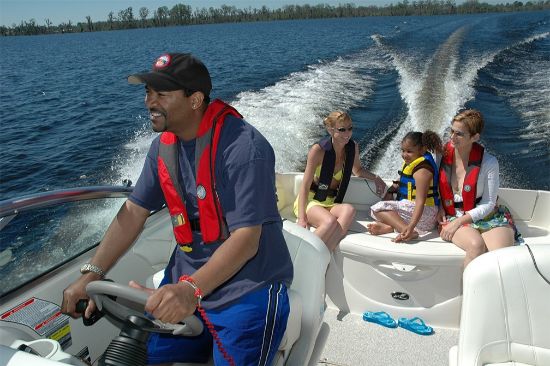
Top five influences. Operator inattention, improper lookout, operator inexperience, machinery failure, and alcohol use rank as the top five primary contributing factors in accidents.
Accidents by vessel types. Where data was known, the most common vessel types involved in reported accidents were open motorboats (46%), personal watercraft (18%), and cabin motorboats (16%).
Deaths by vessel type. Where data was known, the vessel types with the highest percentage of deaths were open motorboats (47%), kayaks (15%), and personal watercraft (7%).
Registrations. The 11,961,568 recreational vessels registered by the states in 2017 represent an 0.84% increase from last year when 11,861,811 recreational vessels were registered.