Paolo Vitelli, Founder of Azimut and the Modern Motoryacht Industry, Dies at 77

See video interviews of Paolo Vitelli made 20 years ago and learn the secrets of his success. Click here…
Paolo Vitelli, the founder of Azimut, and of what became Azimut-Benetti, passed away on December 31, 2024, at the age of 77. It was reported that he died in a fall at home.
Vitelli built the Azimut brand from nothing into the world's leading shipyard for motoryachts over 78’ (24 m) in length, while remaining a privately-owned enterprise with high levels of innovation and technology.

The Business Begins
Born in Turin on October 4, 1947, Vitelli graduated with a degree in Economics and Business in June 1970 after four years of study. In 1969, using money he saved from working student jobs, he started a side business to rent out sailing boats.
John Higginson, former editor of YachtStyle, interviewed Vitelli in 2019 and asked what motivated him to get into the boat business. He said, “I was moved by passions: passion for boats, passion for business, a desire to beat the successes of my father, and to fulfill my dream of a family business.
“I spent the first money I earned on chartering sailing boats. I found it so fantastic that I thought, why not share this experience with other people? And why not try to make some money in doing it? It was as simple as that!”
A year later, Dutch shipyard appointed Azimut as its dealer in Italy, and others soon followed. But as he got to know the boating business, he saw the world around him was in one sense, sleepy, and he began thinking of his own brand of yachts.
“I decided to build instead of just importing boats,” he told editor Higginson, “because I felt the potential of the Italian style, of the Italian skills, of the Italian artisanal labor. I wanted to be cleverer than the yacht builders I was representing in Italy.”
“And, I could start with little money because initially I was totally subcontracting my production.”
By subcontracting the boats he sold, he could put the Azimut badge on them without having the tremendous expense of a boatyard. Once sales grew, he could then commission his own yachts and forge the Azimut look. Later, when the opportunity was right, he would buy his own yards and then have better quality control. Azimut Yachts was definitely evolving in more ways than one in the 1980s and ‘90s.
Father of the Modern Era of Motoryachts
Paolo Vitelli was the single most responsible individual for changing the face of production motoryachts, not only from Italy and Europe, but worldwide. He catapulted Italian yacht building in the 1970s from provincial yards serving wealthy local industrialists, to becoming the world’s leader in design, innovation and sheer numbers of production for the world market.
There is not a motoryacht on the water today that does not display innovations first introduced and popularized by Azimut.
Way-Back-in-Time Machine
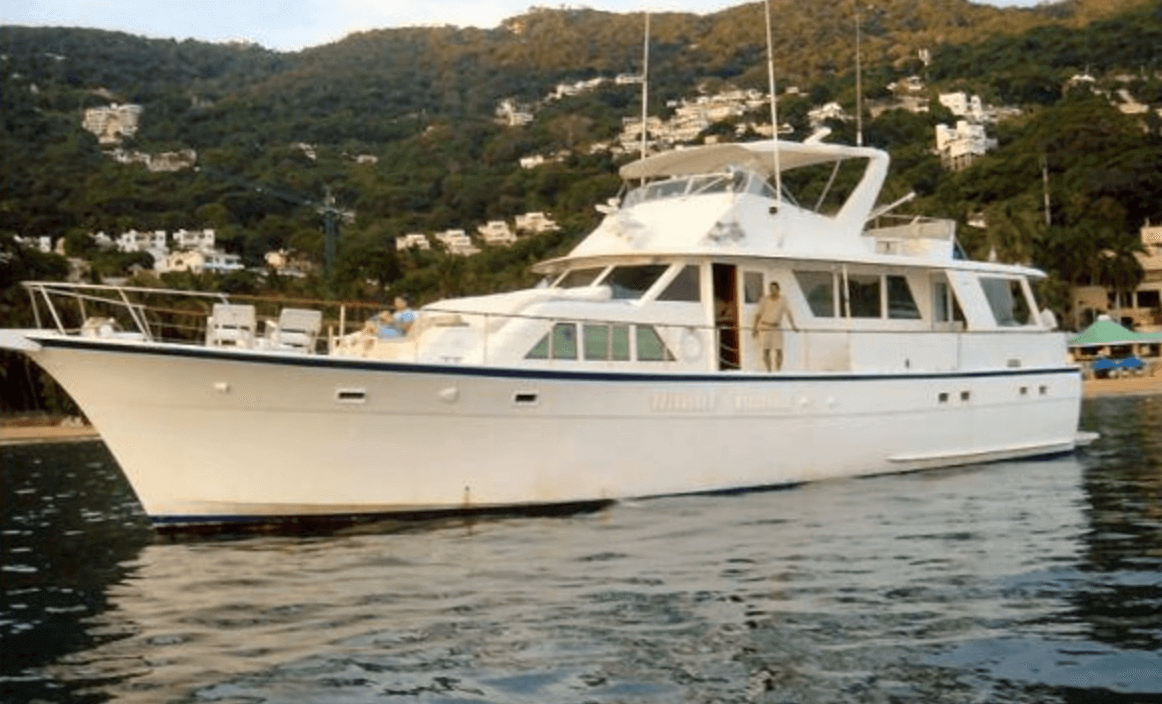
Today it is hard to imagine what the state of motoryacht building was like 50 years ago, in the early and mid-1970s, when Azimut was just getting started. In those days, motoryachts were boxy. One box had a pointy end and other boxes were stacked on top of the first one. At the time, America was the world's leader in large recreational boat building.
In the United States, boat design had not progressed much since the mid-1950s when they were all built of wood. They were designed for cruising with family and friends, typically on 2-week or longer summer vacations. Or, they were for fishing. Chris-Craft was the leading builder for cruising motoryachts, and there were numerous brands for fishing boats
In the late 1950s and early 1960s a few companies in America began building boats out of fiberglass and they used as their tooling the same wood planks and plywood used to construct wooden boats. As a result, they had an angular look, slab sides, and sharp corners. Generally, in larger sizes, they looked just like the wood boats they replaced, only made of refrigerator-white fiberglass.
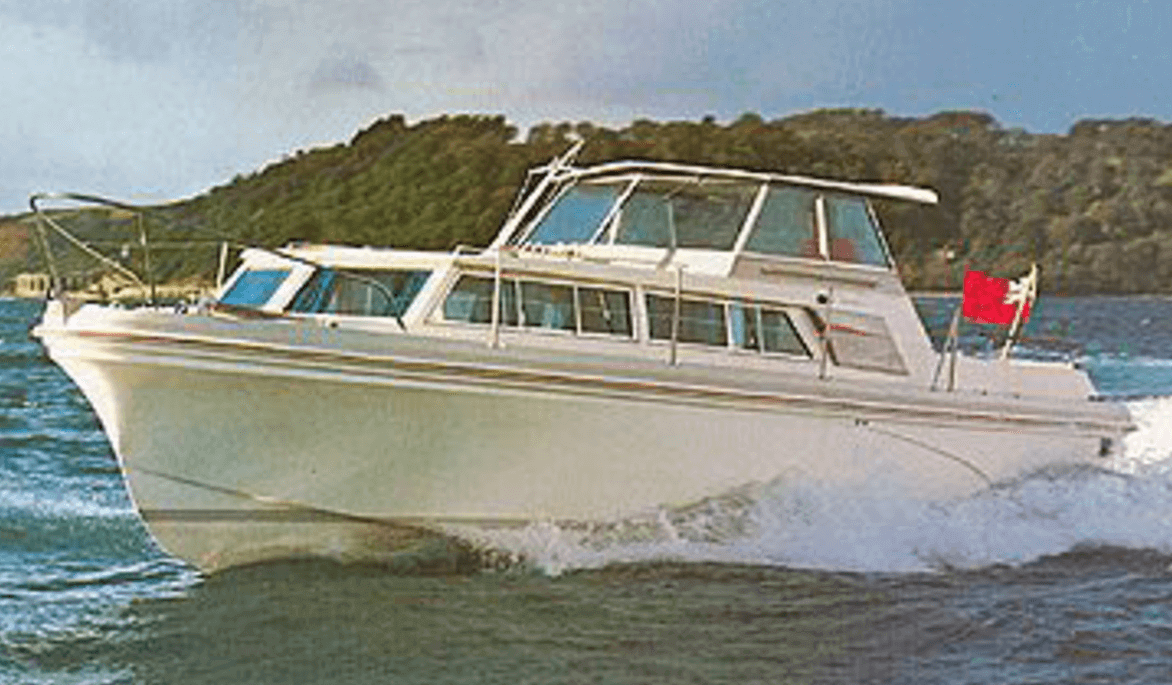
In those days, Hatteras and Bertram Yachts in the U.S. were the leading builders of large motoryachts. Generally, Italian and British yacht builders followed their own traditional designs, and when in doubt, copied the Americans. On the American side, which got a decade or two jump start on the Europeans in yacht building after WWII, there was no lack of hubris when it came to its leadership in yacht building.
When the president of Bertram Yachts was once asked in the mid-1970s when he would start putting some creature comforts in his yachts, he said, “When my customers start asking for them.”
“Life Style” - A New Concept of Yacht Design
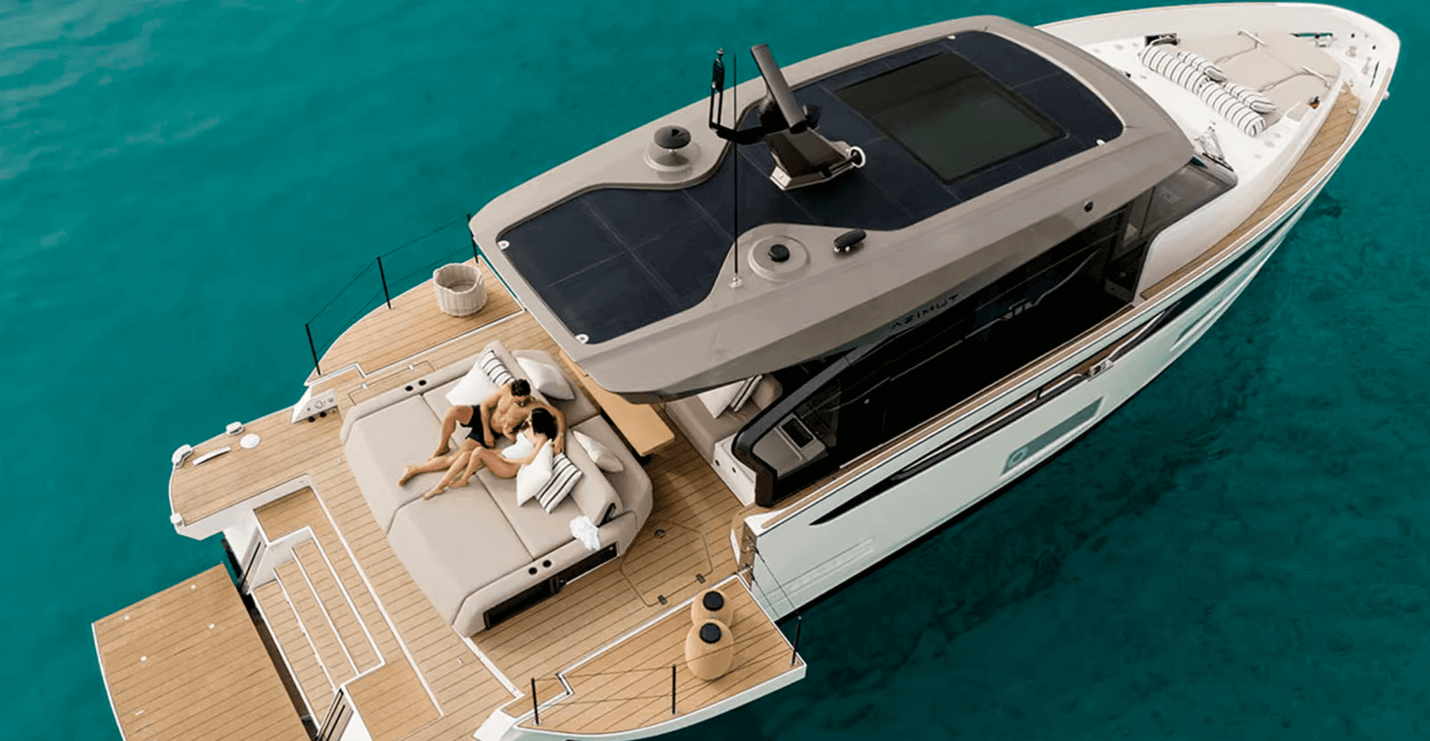
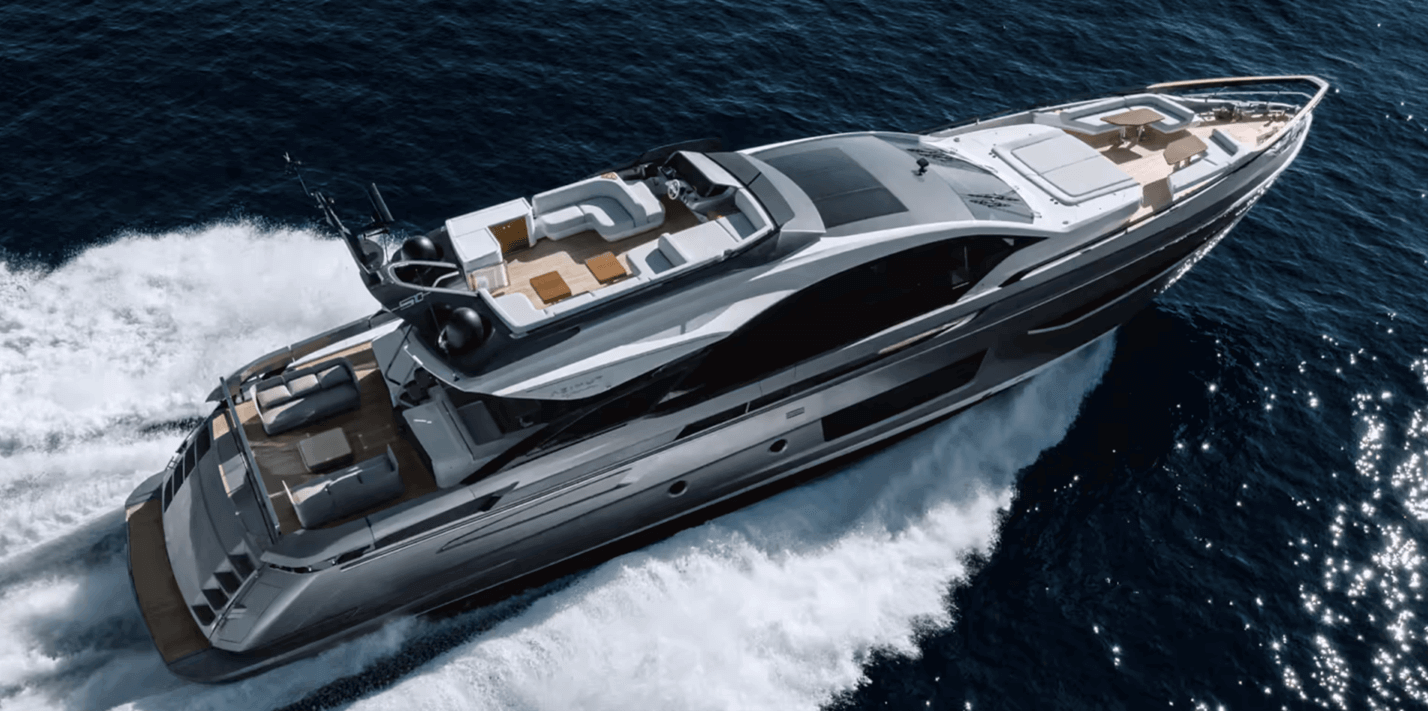
Paolo Vitelli didn’t wait for his customers to start asking, because he envisioned a completely different type of yacht. Not one made for fishing or family cruising – but rather a yacht that symbolized a lifestyle. Azimut Yachts would be symbols of the good life – and the reward for a life well-lived.
These boats were not for going around Cape Horn, they were for tying up to the quay stern-to and lunching on the aft deck, admiring the passing crowd – and being envied by the people in that passing crowd. Through its designs, Azimut emphasized sleek, areo-dynamic beauty, modernity, outdoor spaces for sunning, lounging, dining and good living.
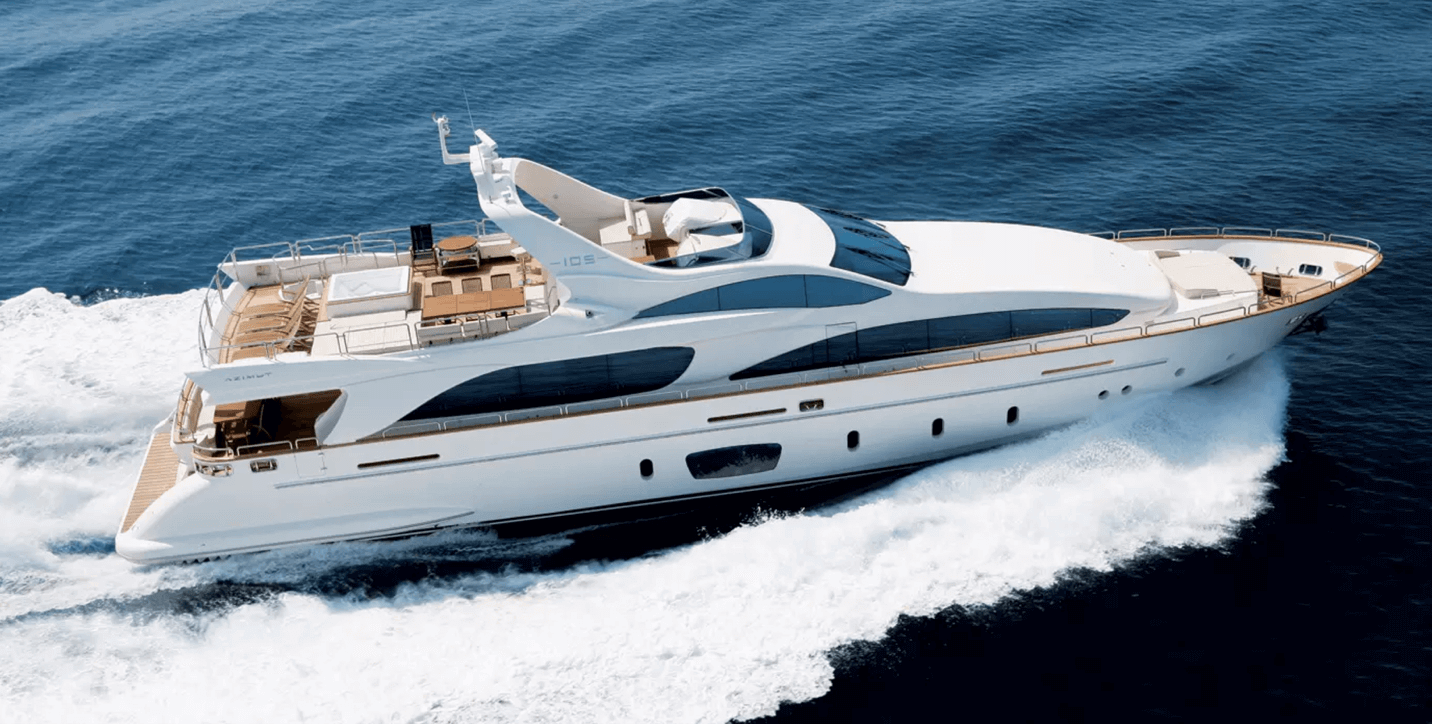
Azimut yachts were objets d'art, vessels on which to invite friends and treat them to luxurious living. The interiors were things of high-fashion with lacquered, high-gloss joinery that leaned heavily on Italy’s tradition of craftsmanship and elegant design.
The brand’s interiors we covered with exotic woods, leathers and hand-crafted stainless-steel fixtures, sourced from the same places that Milan’s haute culture design houses were drawing upon to decorate the homes for Europe’s growing industrial aristocracy.
In the meantime, back in America, Hatteras, the world’s leading name in motoryacht building, was screwing veneer wood panels on bulkheads with the exposed screwheads varnished brown, and Bertram was stapling vinyl coverings around bulkhead panels of plywood so it could be easily washed down.
A Different World
In the 1970s and ‘80s, Southern Europe was not a place where the wealthy classes wanted to go out fishing in a boat – that’s what poor people did, and there was certainly no fun in it. Nor did they want to sleep overnight on a musty, rocking boat at anchor, when they could be far more comfortable in the 5-Star hotel with room service, overlooking the cove.
This contrasted with traditional boating in English-speaking countries such as the U.S. and the UK, where people looked at boats as a way to have fun by going fishing, cruising, camping out aboard, or adventuring into unknown waters. “Roughing it” a bit came with the territory.
Paolo Vitelli’s Azimut was selling a dream, a sophisticated lifestyle, a water-borne way of enjoying life. He was selling the status of owning a luxurious and very expensive object thats mission in life was to pamper a select few. He wasn’t selling fishing, or roughing it a bit, or adventure.
Masterclass in Marketing to Elite
Vitelli was a genius of marketing expensive hard goods that no one needed. In fact, after people’s primary residences, the motoryachts he built were the second most expensive thing many of his clients would buy. The trick was in getting them to want to buy something they didn’t need and, in many cases, had never even thought about owning.
Azimut yachts became the most glamourous possessions available to the lucky few. They were like owning a private jet for those who couldn’t afford one. And for those who could, it was a place to fly to, thus one expensive toy justified the other. Azimut yachts became “must have” possessions for people who liked the best that the world had to offer, because they deserved it, and it went with their station in life.
In many ways Paolo Vitelli was giving his peers a masterclass in how to appeal to what ended up being an ever-growing class of the world’s nouveau riche. And as for the old wealth, the scions of the grand families were intrigued by the fun everyone was having on fast, large, comfortable, luxurious motoryachts -- certainly a lot more fun than owning a cramped sailboat with nowhere comfortable to sit.
It Was All About Marketing
He brought a fresh perspective to boat sales, applying proven strategies from successful soft goods Italian brands such a Gucci, Emillio Pucci, and Valentino, all of who became world-class names in the 1960s. In his own back yard was none other than Enzo Ferrari whose iconic 250 GTO cut an impressive path through the luxury sports car market in the 1960s. Who would not like to own a screaming-red Ferrari?
Paolo Vitelli grasped the importance of innovation, speed, celebrity appeal and glamour in marketing large yachts, and that, together with the careful planning of a chess grand master he took the boating industry by storm. And, Azimuts had a lots more to offer than a Ferrari.
Azimut spent millions of dollars bringing an aristocratic Italian flavor to its exhibits in places like Dusseldorf, Cannes, Genoa and Palma de Mallorca, and treating all its guests like Arab sheiks (which many of them were -- in mufti).
It didn’t take long for other European builders to grasp the concept, an emulate or try to out-do Azimut, but Vitelli managed to stay a jump or two ahead of his revolving competition.
Passion for Innovation
"Building the most beautiful, reliable, technological, innovative boat and supporting it everywhere, always – that is our mission." — Paolo Vitelli
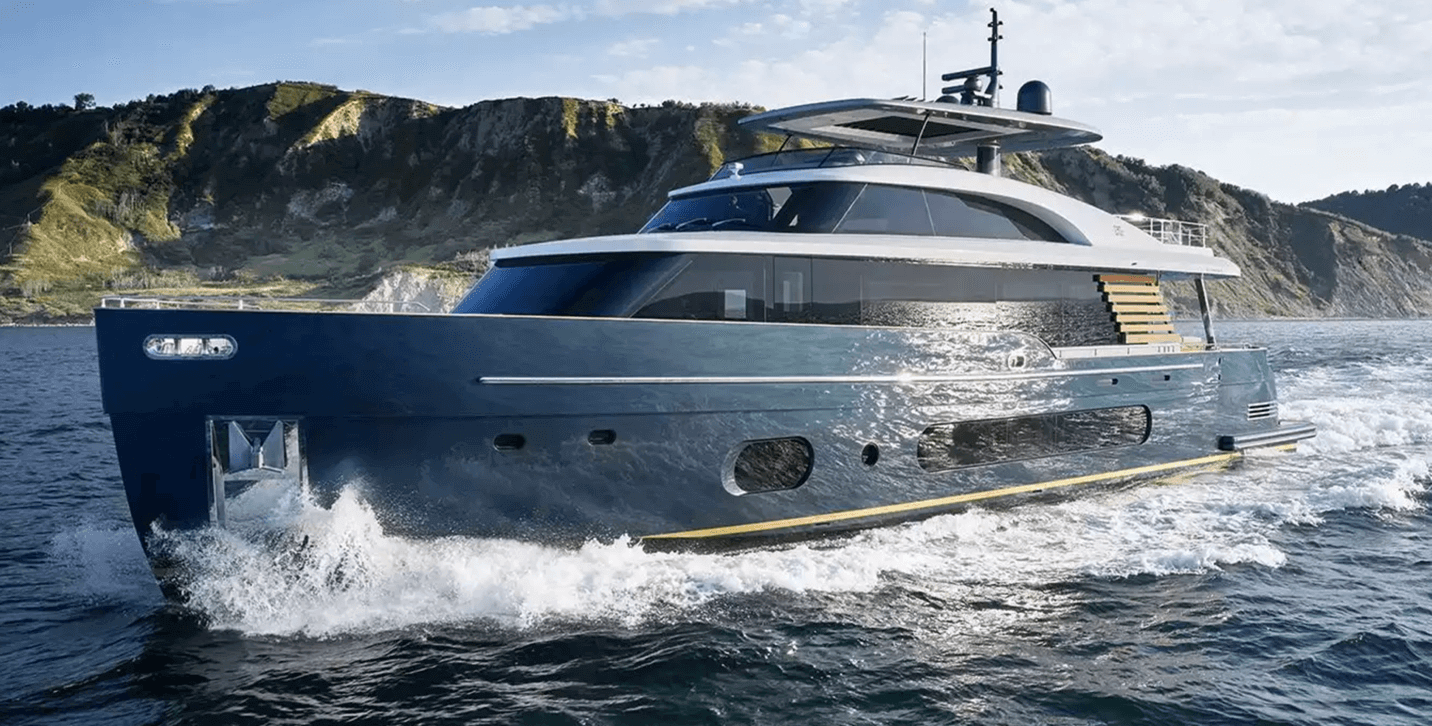
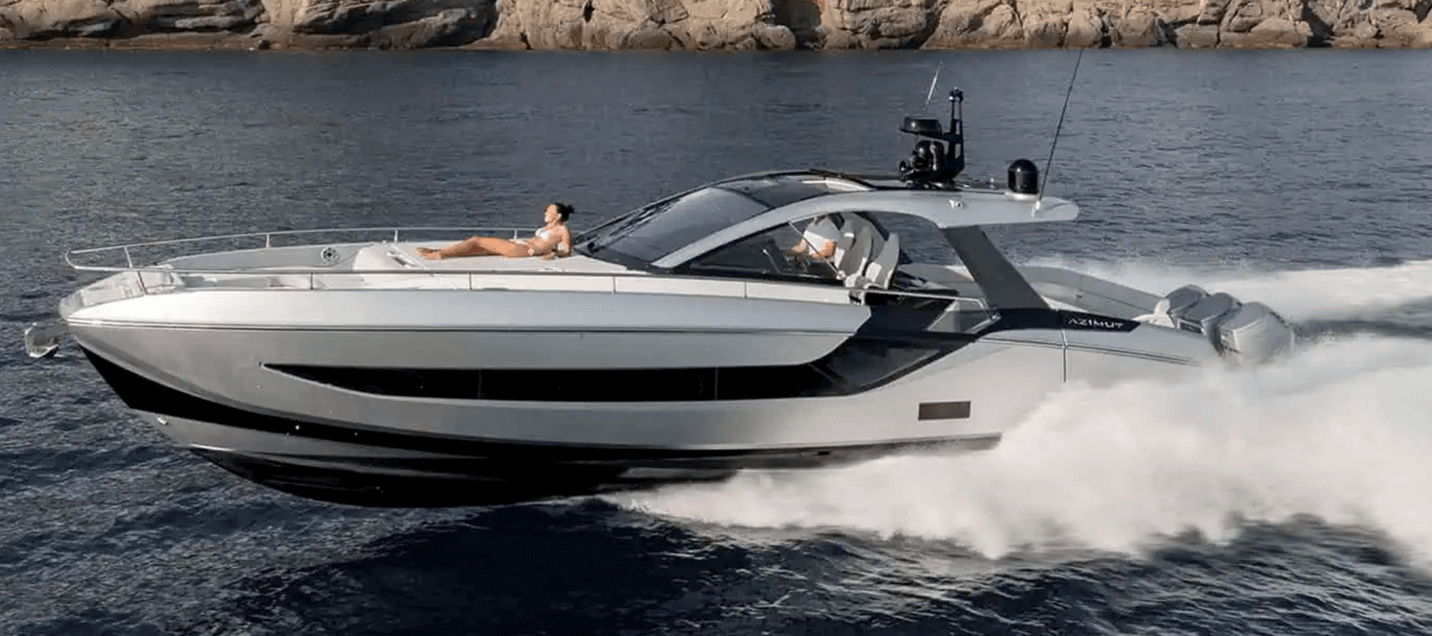
An important ingredient in Vitelli’s secret marketing sauce was innovation. Virtually all the motoryachts being built today were influenced not just in one way, but in many ways by Paolo Vitelli’s motoryachts. Here is a brief list of his innovations—
- The sleek look that has become known as “Italian” or “European” was Azimut’s stock in trade.
- The concept that a yacht should be used to support a luxurious lifestyle, not just traditional boating activities.
- An emphasis on speed. Azimut set the bar high, then even higher.
- Now Azimut has boat lines that emphasize fuel economy. Watch the trend grow.
- Sunpads on the flying bridge, in front of the skipper of all places, sunroofs to open the helm to the sky.
- Distinctive tail fins on the flying bridge (recently discontinued) were a brand cue that other thoughtlessly copied.
- The tender garage which nearly all large motoryachts now have.
- Windows in the hull sides of boats. (Something that is now universal.)
- One-way windows both inside and out.
- Tables and seats on the bow of the boat. (Azimut was not the first to do this, but it was the first to popularize it.)
- First to build a production powerboat over 100’ – the 105 in 1982.
- Use of carbon fiber in the flying bridge to lower CG.
- Azimut was an early IPS adaptor and validated Volvo’s expensive new product.
- Bulwark balconies on large boats. (Now ubiquitous.)
Coming to America
In the late 1970s, Vitelli set his sights on America, the world’s largest market for yacht sales.
Ten years later, by the mid 1980s, Azimut had a strong foot hold on a growing American appetite for larger, more model motoryachts. And other Italian builders were beginning to follow, as well as brands from England. The Euro look and new brand names were finding customers, as the big U.S. builders – Hatteras, Bertram, Viking, Ocean Yacht, and others fought their own internecine marketing battles for the hearts and wallets of American buyers -- and seemed to to be aware of the growing appeal of the new look.
Business owners, entrepreneurs, top C-level tycoons began counting the days until their IPO, golden parachute, or large bonus, so they could join the lifestyle Azimut offered those who owned its yachts. Azimut has succeeding in catching the attention and implating the dream into the minds of many first time boat owners. These were people not interested in fishing or cruising, but were interested in the lifestyle.
Azimut Dodges the U.S. Congress Bullet
On January 1, 1991, a 10% luxury tax on new boats sold in the U.S. over $100,000 went into effect and that day marked the demise of the building of American-built fiberglass motoryachts – but not Azimut. Because Vitelli had a world-view, he had carefully built a network of dealers that diversified the company’s sales risk. Sales were down in the U.S. but were up elsewhere, keeping Azimut’s balance sheet steady.
The Secret of Steady Pricing
In fact, Vitelli also was careful to keep pricing in each market steady to avoid upheavals due to currency fluctuations. For example, the wild swings of the U.S. dollar vs. the Euro in 2000 made Azimut prices a 10 to 15% bargain in America. But four years later, with the dollar at $1.36 to the Euro, it was effectively a 46% price increase for European yachts – something far worse than the 10% luxury tax.
Because Azimut sold boats in so many different countries, all with currency values rising and falling against the Euro, Azimut was able to mitigate the impact to American consumers because the Euro was under-valued in other currencies so it could raise prices there. This, together with buying currency futures, kept price fluctuations under control from country to country to maintain steady Azimut pricing and business. (European car companies had been doing this for years.)
In the 12 months from 2004 to 2005, when the it tool $1.36 to buy one Euro, Azimut sold 26% of its boats in the U.S., far out-stripping sales in any single country – despite a remarkably weak U.S. dollar.
The New Rich Come in Waves
Paolo Vitelli also noticed that new wealth came in waves in different countries for different reasons, and at different times. For example, there was a time when dozens of 28-year-old traders in “the city” would make $8 million dollars a year and wanted to have a boat on the French Riviera or in the Balearics for a bit of skirt chasing on long weekends from London.
Then there was a rush of American professional ball players who started scoring multi-million dollar contracts with nowhere to spend the money, and when one discovered large motoryachts, every one of their peers had to have one, too.
When oil hit $130-a-barrel, the kids of Saudi princes knew to buy their yachts quick before the U.S. started pumping oil to kill the oil bonanza. When it did, sles shifted to the sugar daddies in West Texas who could now afford new playthings for their significant others. The Dot.Com boom minted hundreds of multi-millionaires who got out before the bust, then the Dot.Com shorts got rich, and they were the motoryacht market. There have been waves of new Chinese billionaires in real estate, construction, electronics, and now marina construction is even being subsidized by the government.
In fact, the oligarch business was so lucrative after the fall of the Soviet Union, that Azimut built a marina near Moscow so its clients could keep their ocean-going vessels on a lake.
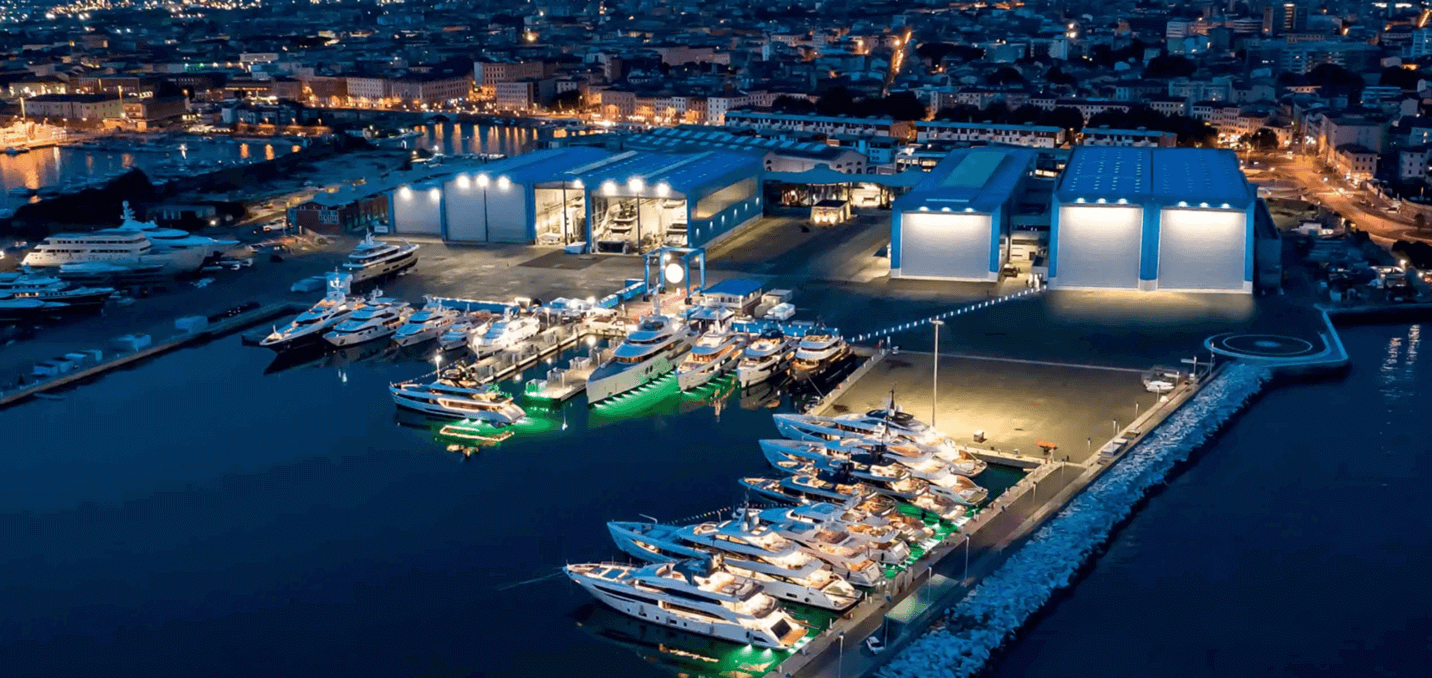
No wonder that Paolo Vitelli set up sales offices in 55 different countries – he never knew where the new gold rush would bust out. But wherever it would be, Azimut was there with a sales office and salespeople ready to whisk people off their feet and to Viareggio.
Paolo Vitelli Building a Family Business
With the exception of Paolo Vitelli, it’s hard to think of a single successful boat builder of large motoryachts that has not pumped-up sales then sold off the company to an unsuspecting VC firm, private equity group, public company or some other group bereft of due diligence. This has been the way several dozen builders have made their fortune – not in building boats, but in selling off the company at the top of a market. It's called pump and dump. and Vitelli wasn't interested in it.
Almost without exception, these companies have gone bankrupt under the dumb-struck new owners who drowned in a flood of leveraged debt at the first drop of a shoe in a volatile economy.
Buying Benetti in 1985
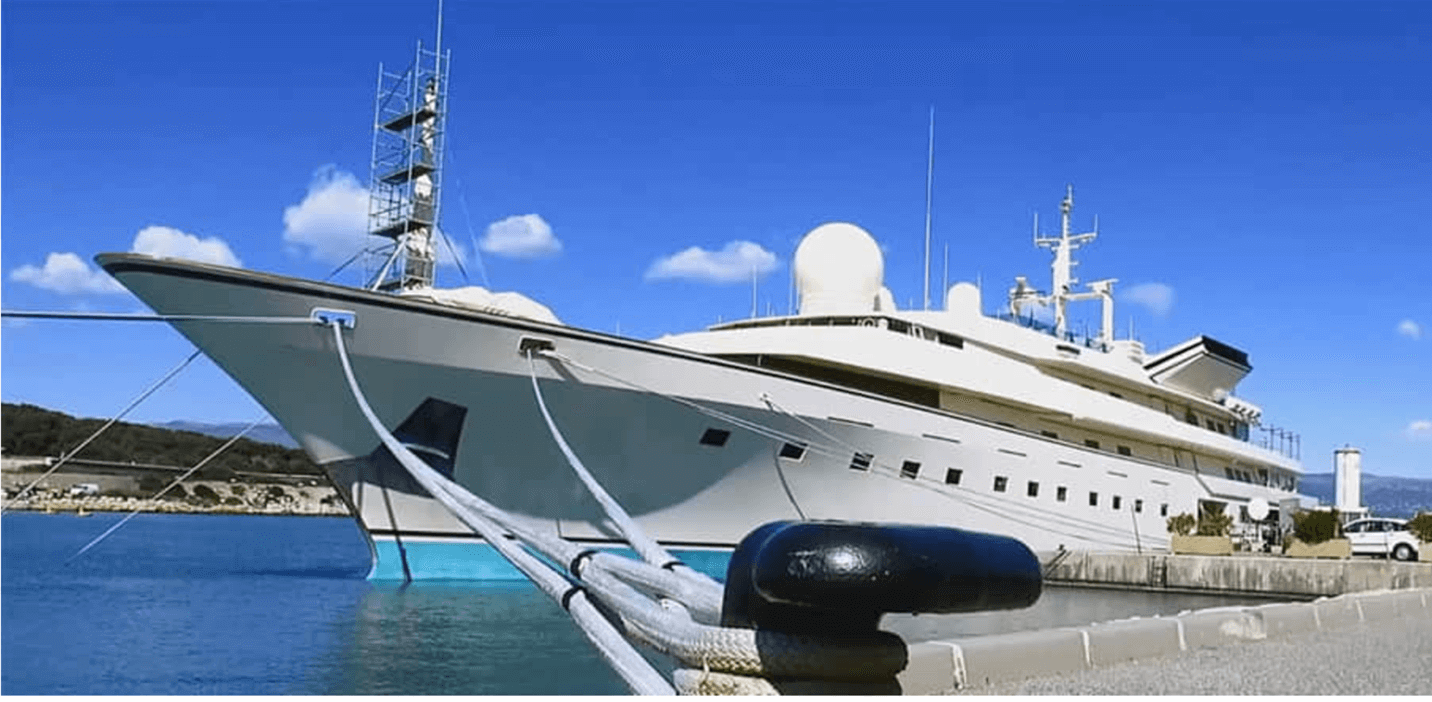
Benetti is to Italian megayacht building as Rolls Royce is to the British car industry, only Benetti is much older. Founded in 1873 in Viareggio, Italy, Benetti has been building yachts for the rich and famous of Europe for over 150 years. To Italians, its name is synonymous with wealth, prestige, and craftsmanship. It is truly an iconic name.
Vitelli bought the Benetti yard and its good name in 1985, after it went into receivership, unable to meet its obligations to build one of the largest superyachts at the time – the 281’ (85.64 m) Nabila.
Boating journalist John Higginson asked why he bought Benetti: “I thought it was an opportunity not to be missed and when you are 35, you do not consider the risks too much. One or two years earlier, I had lost the opportunity to buy Baglietto and I wanted my ‘revenge’. And Benetti was a much, much better opportunity,” Vitelli answered.
Although Vitelli has received many offers over the years to buy Azimut-Benetti, including one from the largest company in the marine business, he chose not to cash out. Azimut was his life’s passion, and his succession strategy had long been in place. In March 2023, Paolo Vitelli transitioned the role of Chairman to his daughter, Giovanna Vitelli. This succession was part of a carefully planned generational shift within the family-owned business.
New Saudi Partners
The following month, in April 2023, the company announced that the Public Investment Fund (PIF), Saudi Arabia's sovereign wealth fund, had acquired a 33% stake in the Azimut-Benetti Group. The Vitelli family retained the majority ownership and continued to guide the company's strategic direction.
At the time, the company stated, “This strategic partnership aims to support Azimut-Benetti's growth, particularly in expanding its presence in the Middle East, a region experiencing significant development in the luxury sector. The collaboration is expected to provide new business opportunities and enhance the company's technological advancements. “
Throughout the build-out of his business, Vitelli was careful never to take on more debt than he could easily handle even in the worst of down years. His realistic appraisal of world economic conditions and how they affected his core constituent consumers, was always a hallmark of his prudent stewardship of the company.
By taking on perhaps the best financial partner in the world, Vitelli not only cast an anchor to windward for the company in catastrophic economic times, but also got a gold-plated entre to what promises to be one of the most dynamic high-tech communities of the future.
The Company that Paolo Built
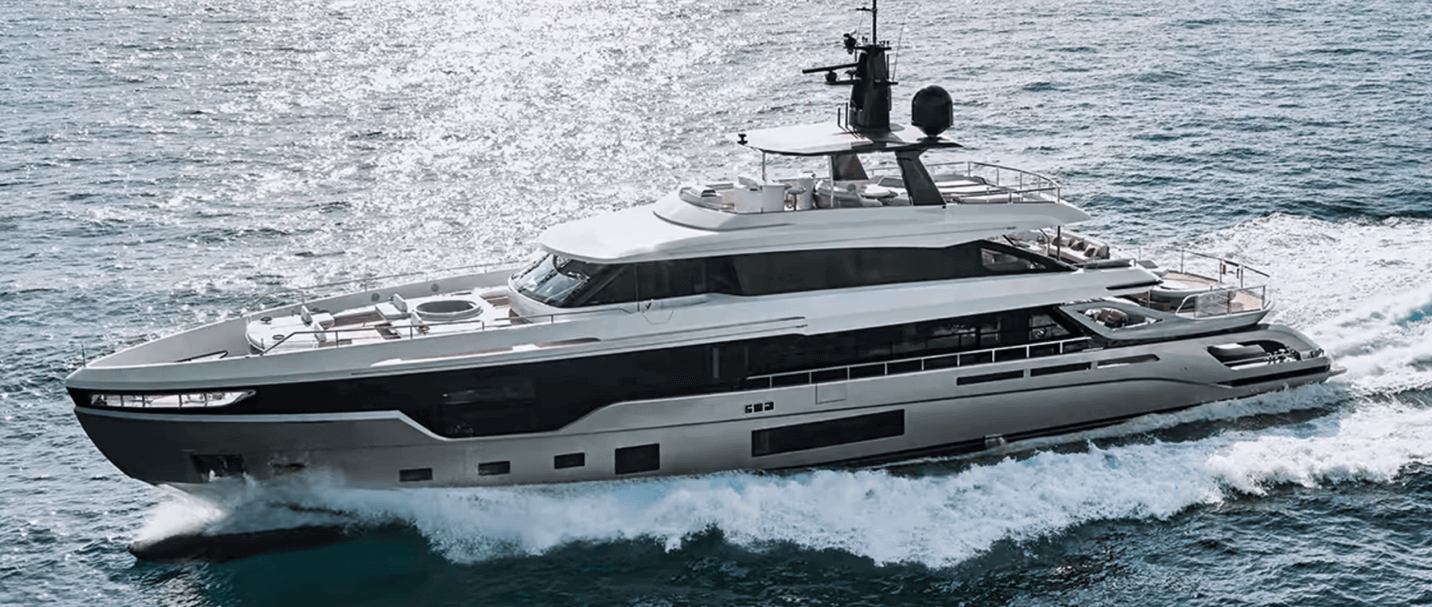
Today, Azimut-Benetti is the world’s largest builder of luxury yachts, with €1.3 billion in revenue for 2023/2024 and it topped BOAT International’s global orderbook of large yachts for the 25th consecutive year.
At the time of the announcement, Giovanna Vitelli, Chair of Azimut-Benetti Group, said: “Twenty-five years at the top of the sector represent a true ‘record within a record’. It’s a testament to our unwavering entrepreneurial vision, which is based on an organic, resilient and sustainable growth strategy aimed at creating durable value that lasts over time. This is the privilege and the responsibility of a private family company.”
Azimut builds yachts ranging from 13-44m across the Atlantis, Verve, Fly, S, Seadeck, and Grande series. Benetti builds superyachts from 34-108m across the Class, Motopanfilo, Oasis, B.Yond, B.Now, B.Century, B.Loft and Custom families.
The Group has five shipyards in Italy (Avigliana, Savona, Viareggio, Livorno, and Fano) and one in Brazil (Itajai). It has over 2,000 staff, employs more than 4,000 people in related industries, and oversees about 140 points of sale and service worldwide.
Azimut-Benetti’s diversification and investments have included the construction of new marinas in Italy (Varazze, Viareggio, and Livorno), Malta (La Valletta), and Russia (Moscow). In 2004, Azimut-Benetti bought into Fraser and acquired 100 percent ownership by 2017 before selling the brokerage house to U.S. distributor MarineMax in 2019.
In 1997, the President of Italy awarded Vitelli the title of Cavaliere del Lavoro “for having distinguished himself singularly in the shipbuilding industry”. From 1998-2006, Vitelli was President of UCINA (now Confindustria Nautica), and he promoted legislative initiatives that spurred industry growth, including the introduction of yacht leasing models.
He received the ‘Campione della Crescita’ (‘Champion of Growth’) prize for heading the leading Italian company in terms of growth, innovation, and globalization from 2001-2006.
Vitelli was Honorary Consul for Norway from 1974-2018 and a member of the Italian Parliament from 2013-2015.

The Chairman of Azimut-Benetti
Giovanna Vitelli has been directly involved with the company since 2000 when she joined the Board of Directors. Over the years, she progressively took on greater responsibilities, particularly in corporate strategy and product development.
By 2004, she intensified her active participation, focusing on new model development and leading the Group's research and development efforts. Under her leadership, the Group has emphasized innovation, sustainability, and design excellence, maintaining its position as a global leader in luxury yacht manufacturing.
In November 2024, Giovanna Vitelli was recognized as the National Winner of the EY Entrepreneur of the Year® Award, highlighting her significant contributions to the industry.
The entire staff of BoatTEST offers its condolences to the Vitelli family. Paolo Vitelli was one of the few truly great personalities in the boating industry.