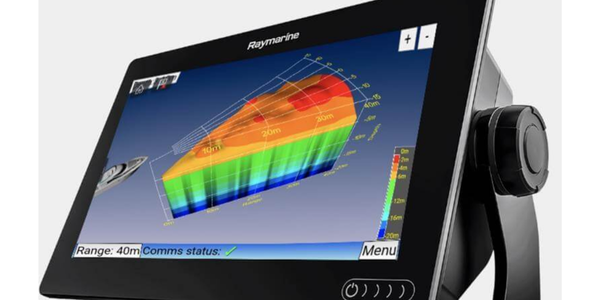
Commercial-grade 3D sonar is now packaged for your 30-60 foot cruiser.
Can't See Our Images? Click Here
Hello Boater
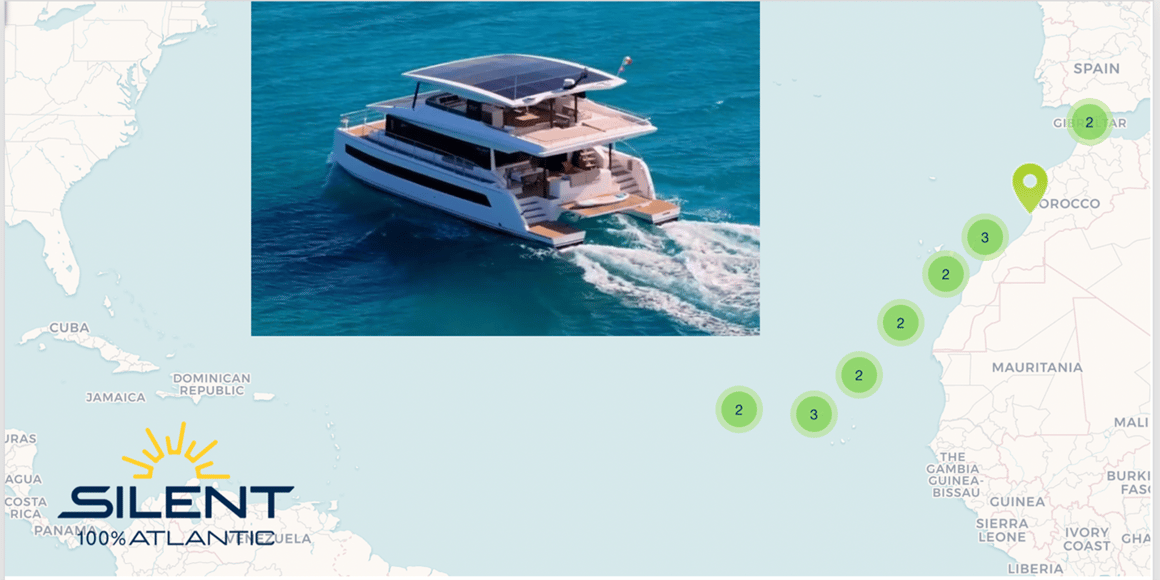
Silent 62
Join the Atlantic Crossing
SOLAR & WIND POWER Free power is the theme of this trans-Atlantic voyage! The Silent Yacht 62 is using a hybrid electric system and solar panels to cross the ocean, but she's also harnessing the trade winds with the optional Kite package. We have the inside track on the trip, including a video on how this addition helps propel the cat, giving her virtually unlimited range.
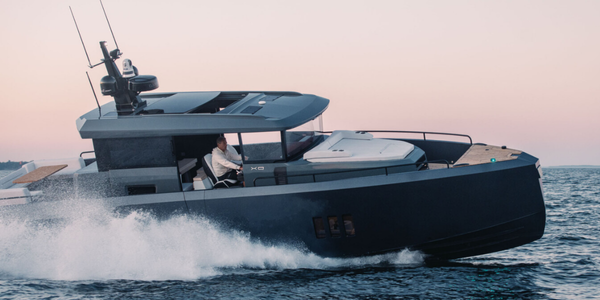
EATS ROUGH SEAS This 44-footer is metal—and we mean the good stuff! The Finnish team at XO knows how to build a boat that can truly handle it all, and the aluminum hull means she's exceptionally durable. She’s built to run far and fast, packing up to 1350 hp on the stern and enough fuel (430 gallons) to make distance a non-issue.
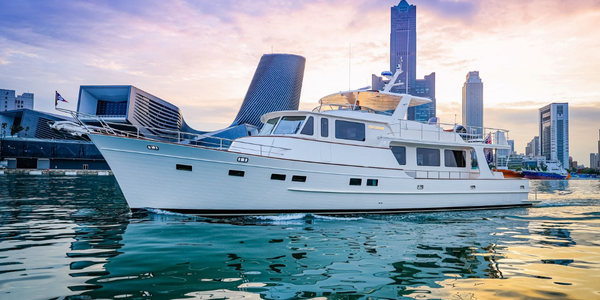
THREE THOUSAND GALLONS Fleming is known for building confidence, and the 85 shows how. We take a close look at the engineering, including the twin MAN V12 power, system redundancy, and the detailed helm controls. With 3,170 gallons of fuel, she is built for serious passages, and our video tour shows the true heart of this ocean-going machine—the systems that ensure she can always get to her destination.
BOTH INTERNATIONAL & INLAND What is the identity signal which may be sounded by a vessel engaged on pilotage duty in fog?
A. 2 short blasts B. 3 short blasts C. 4 short blasts D. 5 short blasts
Tech / Teaching Tuesday
Rebuild Or Repower?
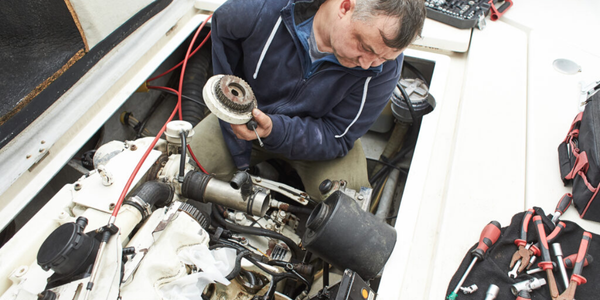
WAITING COULD BE EXPENSIVE A great hull can last forever, but a tired engine saps all the pleasure from boating. The question isn't just money; it's reliability. We dive deep into the real-world costs of a partial engine rebuild (often a "patchwork" failure) versus a complete repower. Hear why modern engines restore confidence, cut fuel use, and transform her from "worn to wow"—often for less stress and cost in the long run.
200 METERS AHEAD Worried about what's ahead underwater? This new sonar brings real-time, 3D visualization to leisure vessels (29 to 60 feet) using just one transducer. It boasts an "industry first" Average Forward Depth feature and a 20X depth-to-range capability, letting skippers see up to 200 meters forward. This is serious, commercial-grade technology packaged for the average cruiser.
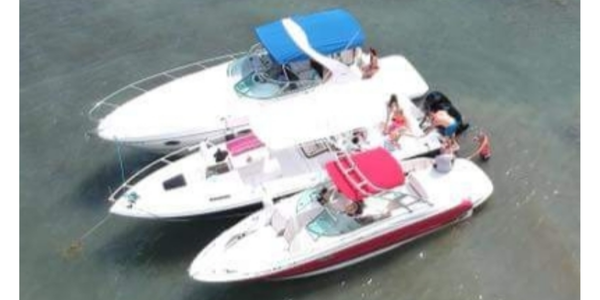
Want to see your best "Life is Better on a Boat" moments shared with fellow enthusiasts around the globe? Send us your incredible photos and we'll showcase them worldwide!
According to the International & Inland Rules of the Road, Rule 35(e) specifies that a vessel engaged on pilotage duty, when underway and making signals for a power-driven vessel, shall also sound four short blasts in succession—one prolonged followed by four short blasts. When at anchor, they sound the anchor signal followed by four short blasts.
.png?width=1200&upscale=true&name=NEWLOGO-HEADER-NLv3%20(1).png)