John Adams Passes the Torch at Formula
A Design Giant Steps Aside
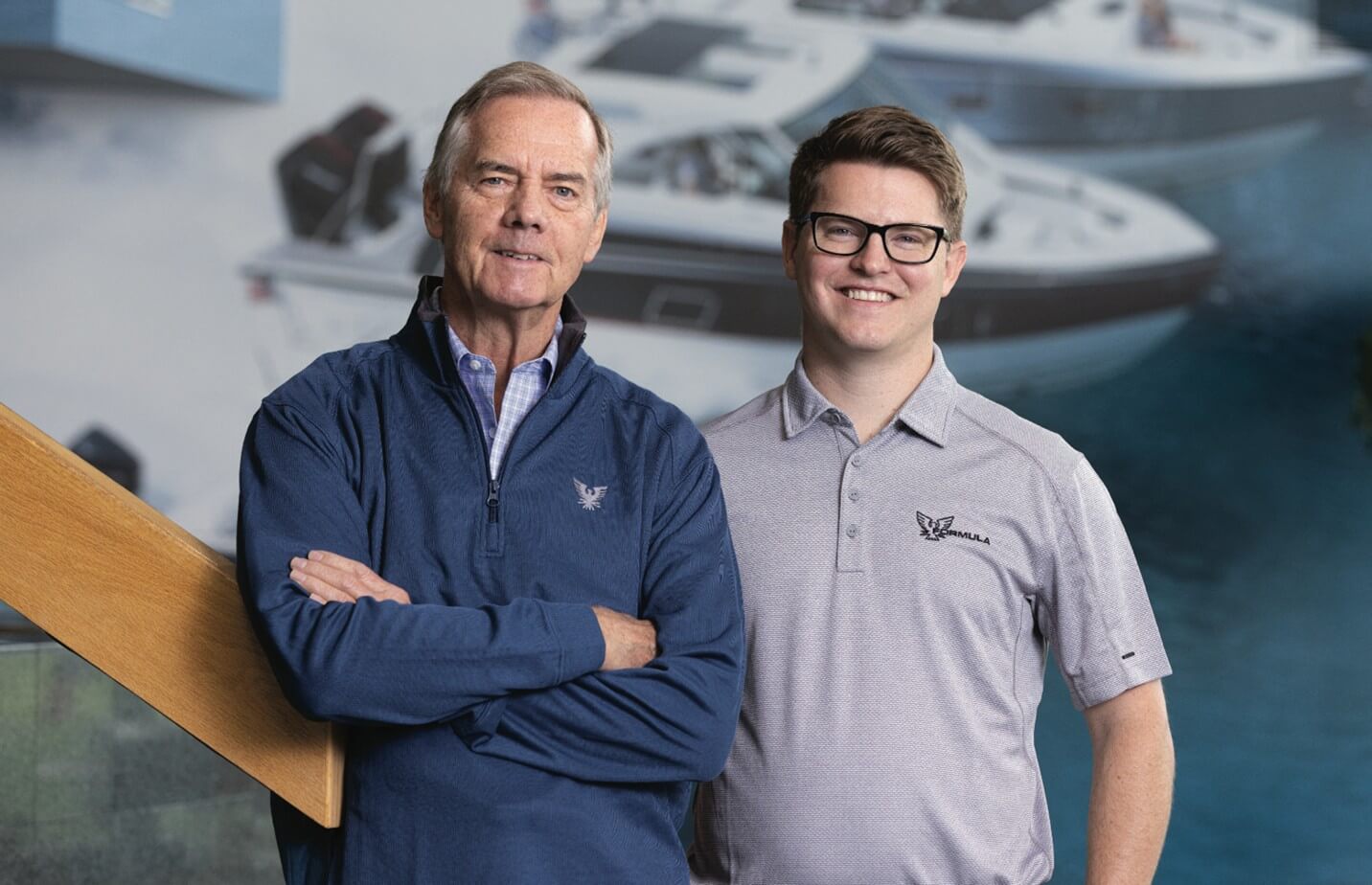
When it comes to high-profile designers, Formula has had quite a run, starting with Don Aronow, who started the company in 1962 and became the dominant figure in offshore racing boats for two decades.
Then in 1971, a twenties-something John Adams, freshly minted as a designer from the University of Cincinnati, entered the picture. He had a design degree but knew nothing about boats. But, for the next 50 years his design vision greatly influenced the direction of American small and mid-sized recreational boats. Now, he's passing the torch to Michael Young -- a lucky designer who has some big shoes to fill.
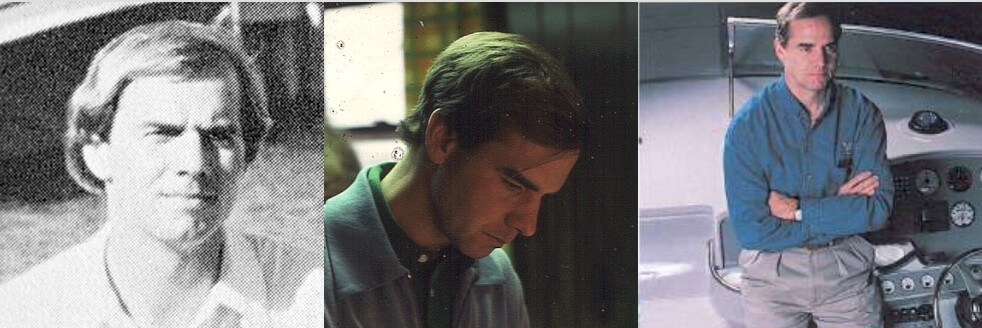
John Adams -- The Designer Behind Formula's Success
One of John Adam's first jobs was working for a company that got the commission to design a boat for Formula, and he’s been working for Formula ever since. For over 50 years he set the tone for Formula, and Formula set the style trend for the boating industry in America.
“We wouldn’t be where we are today without him," said Formula CEO Scott Porter, about John Adams.
Sometimes Adams lead the consumer, and other times he picked up on what he saw as a consumer trend. In both cases, he was Johnny-on-the-spot with designs consumers liked. Some notable developments were:
- Curved Windshields. John was the first boat designer that drew a curved windshield in the early 1980s for a sportboat – and actually got the builder to produce it. (It was expensive, and special tooling had to be made.) Within two years every boat in the Formula line had a curved windshield.
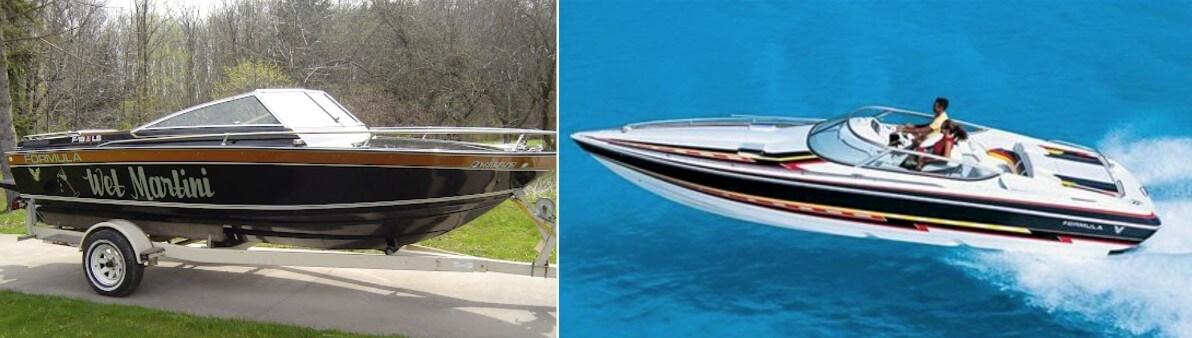
- Painted Hulls. In the early 1980s Formula began painting its hulls with both solid colors and stripes, the first major company to do so in class on production boats. Through the years, Formula’s high gloss hullsides have set its boats apart from most everything on the water, and it’s still one of the few builders in class to paint its hulls.

- The Stern Comes First. The 280 Sun Sport in 1994 was an important acknowledgement that the stern of the boat was becoming the vessel’s playground. John incorporated a large, wraparound entertaining cockpit with table, and sun pad, and a large swim platform 2-3x larger than any boat in class. This boat became such a large seller, that Formula was forced to shut down a small-boat runabout brand started during a soft economy in the early 1990s, in order to satisfy consumer demand.
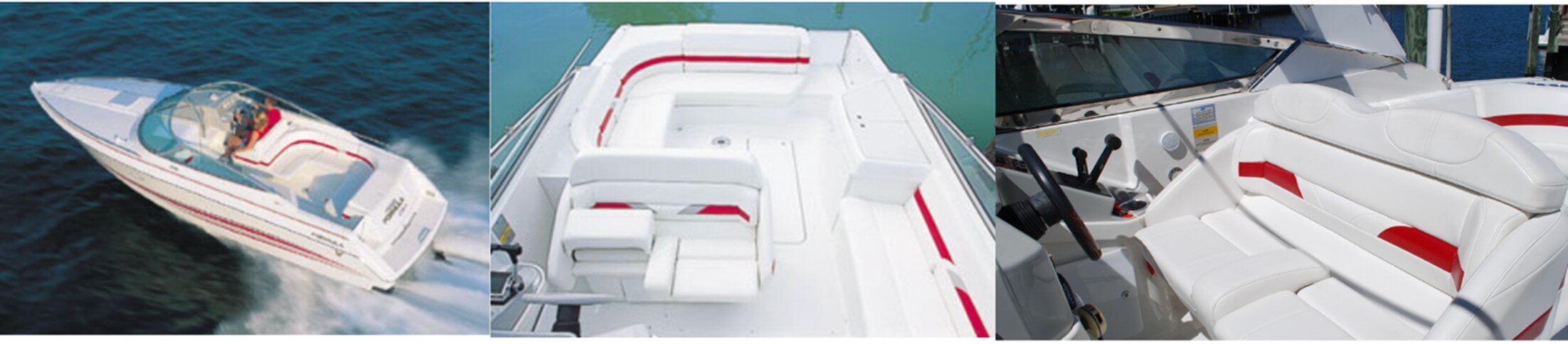
- The FasTech stepped hull was introduced in 1998, and this design is still used on a number of Formula models. Today, many center console and dayboat builders incorporate a stepped hull.
- Resurrecting the Coupe. In 2002 John’s express cruisers developed into the coupe style that grew in popularity and today is dominant across many brands both here and in Europe.
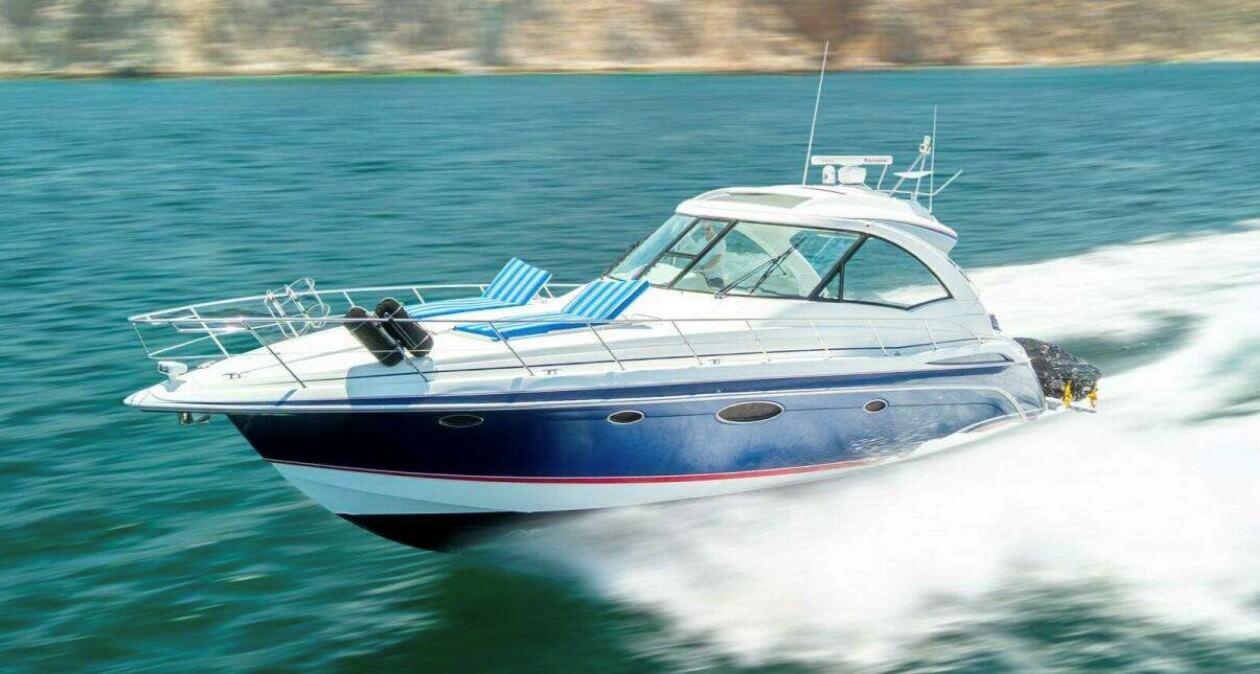
- The Performance Cruiser. In the early 2000s Formula introduced John’s Performance Cruiser series which—as the name implies – was a combination performance boat and an express cruiser, ended up ranged from 31 PC to 37 PC to 40 PC. They had it all: comfortable sleeping accommodations below, a large open cockpit and high-speed performance.
- The Crossover Begins. In 2013 Formula introduced the 350 Crossover Bowrider. “Crossover” meant that it was a dayboat with minimalist sleeping accommodations. There was actually a model from another brand that did it first, but it was John’s approach that came out 6 months later that launched a thousand memes.
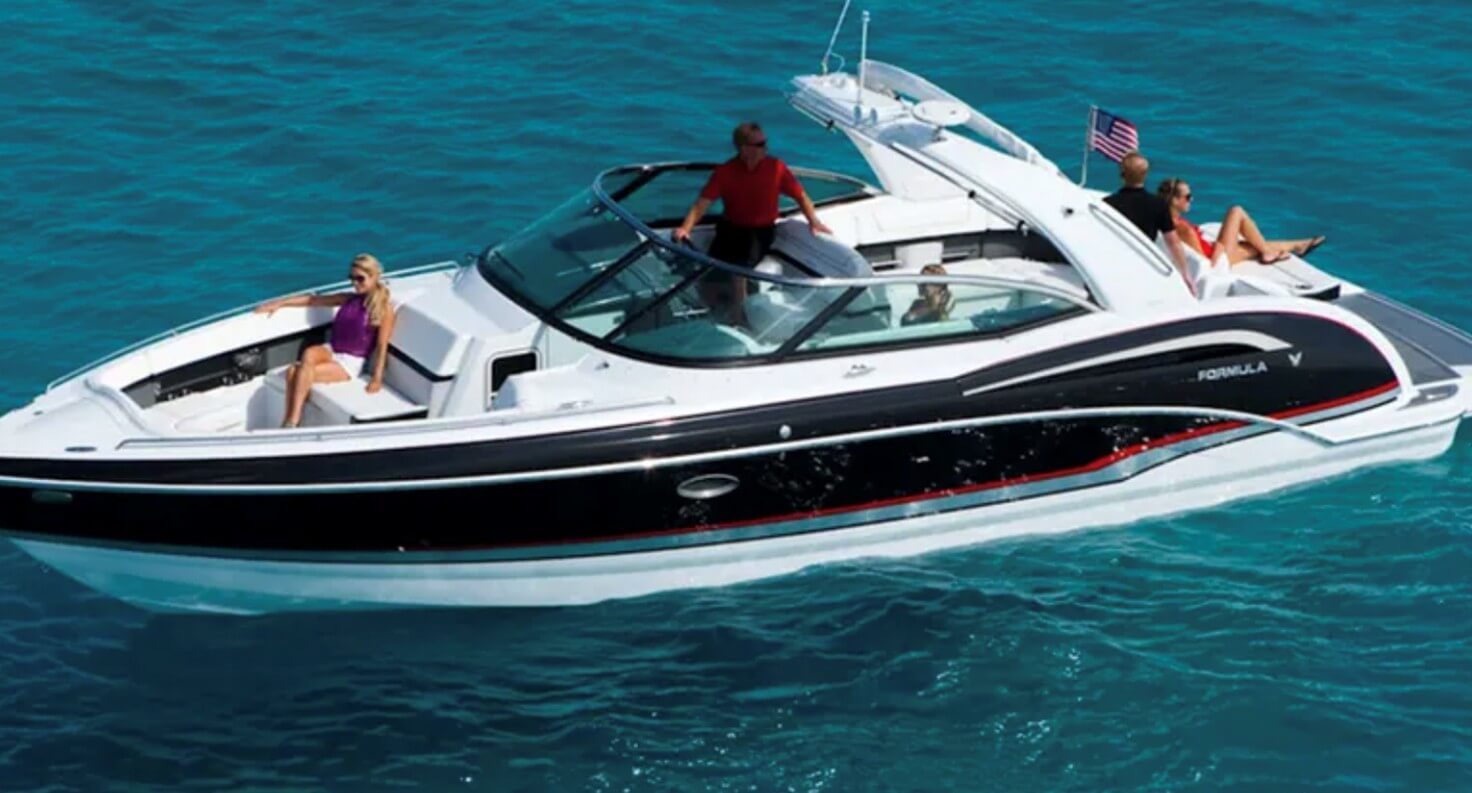
- The All Sport Crossover. That was followed by John’s “game changing” (a much overused term but deserved here) 430 All Sport Crossover that had full accommodations for four adults below, plus a head and mini galley – and was a bowrider! But wait, there's more -- she was also rigged for fishing, something that Formula would follow up on a few years later. She gave rise to a new series for Formula that now has four models from 38' to 50'.
This boat was an amalgam of an express cruiser with coupe, bowrider, and watersports boat with a cockpit made for fishing/SCUBA/watersports and entertaining day or night. It was really 3-boats in one – and it was designed for all weather, nearly anywhere.
She was followed by the 500 SSC a year later and this boat, in our opinion is one of the finest dayboat/weekender all watersports vessels on the market. This model had all of the same function as the 430, except that she was super-sized.
Formula knew a good thing when they had it, and filled in later with two more variations on a theme – the 380 SSC and 400 SSC.

- Port & Starboard Swim Platforms. It was in the SSC series that John had another master stroke. With the advent of outboards and the demise of sterndrive boats, most designers just hung the outboard engines on the stern of the boat and relegated the “stern platform” to two little postage stamp-sized decks on either side of the motors. Adams solved the problem by simply extending the swim platform 4’ and opening up 3-1/2’ of access to the water port and starboard. This sounds like a simple solution – but no one had done it before. For the boat industry, it was “out of the box” thinking.
Entering the Center Console Market
Formula had aways been in the sportboat and express cruiser market, but in 2023, it surprised the industry by introducing its first center console. She was no average center console – not even an above average center console.
She was a super lux, spare-no-expense, comfortable center console with all of the “fishability" of the saltiest, most expensive vessels in class.
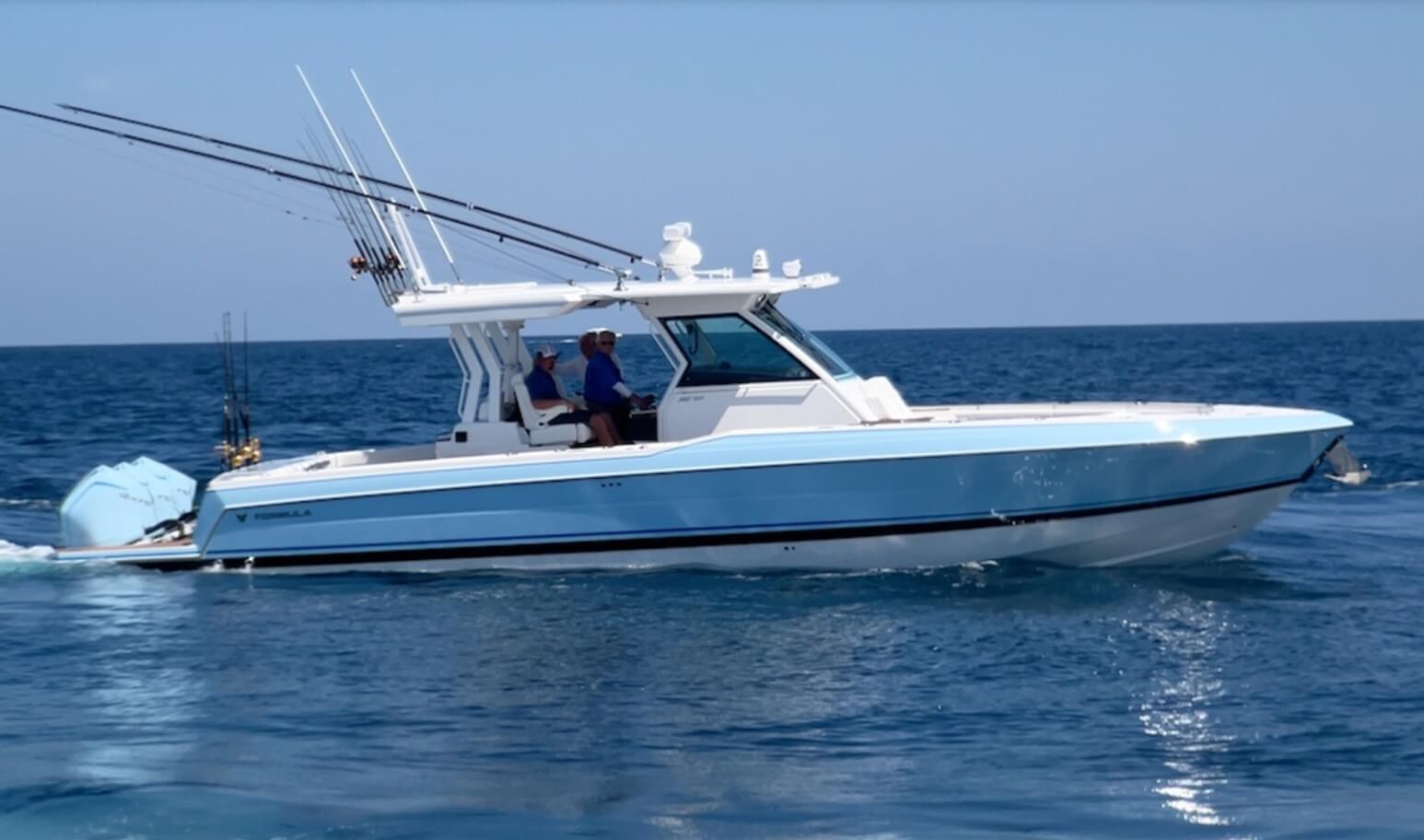
But she didn’t stop there. “Fishability” was the easy part.
The Formula 387 Center Console Fish had a large aft cockpit, and 360-degree walkaround capability. Add to that Formula’s remarkably comfortable helm seat and cabin below, and the industry had a new contender in the center console industry – which numbers over 50 brands.
Formula’s near sistership, the 387 CC Sport, was the same boat, but with two rows of seating and a cockpit designed for water sports and entertaining. Take your pick.
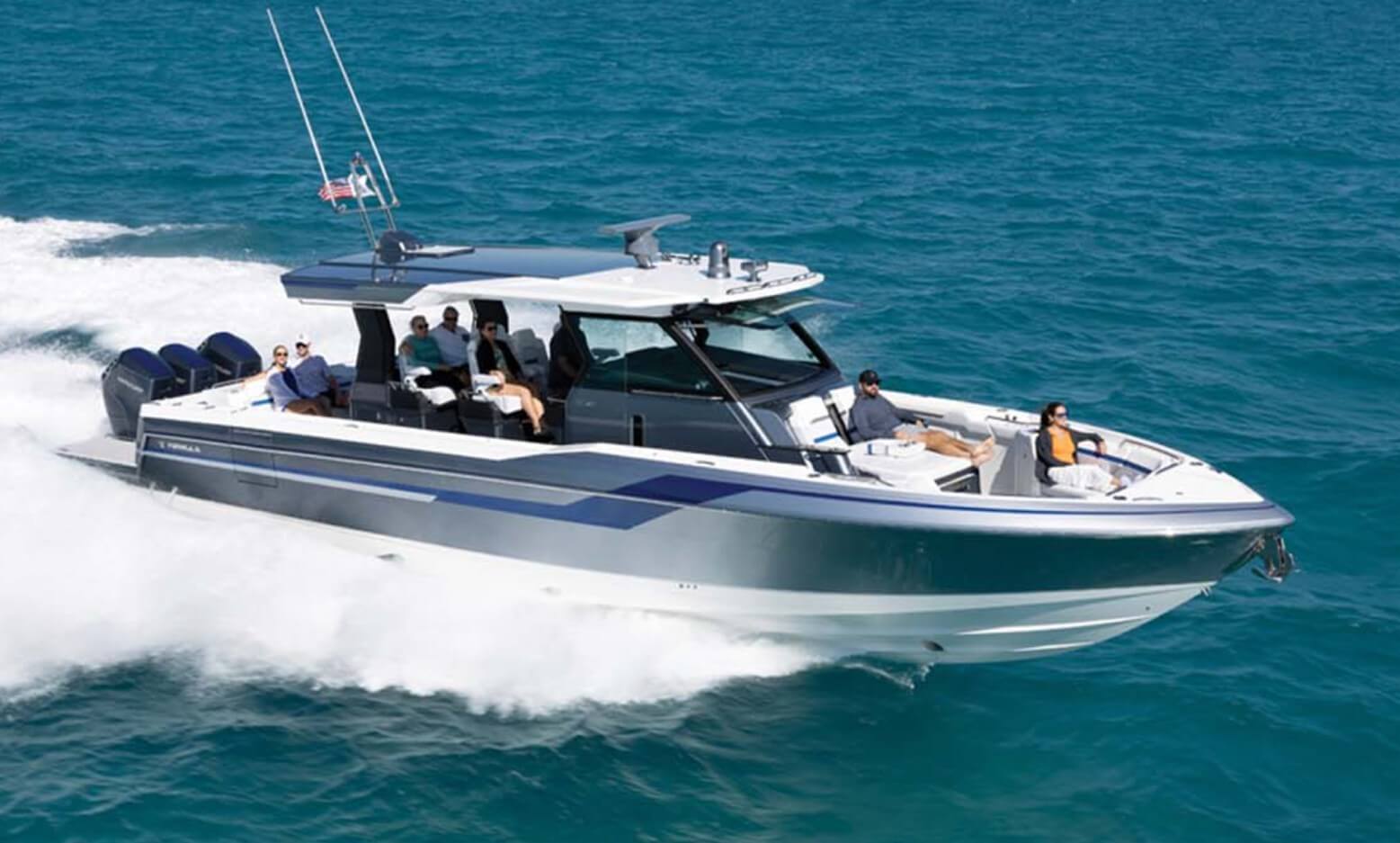
The 457 CCF & S For Connoisseurs of Quality
18 Months later, John and Formula were back with the 457 Center Console Fish, and 457 CC Sport – both larger versions of 387. She was intended for ex- convertible-owning anglers who were down-sizing from their 60-something goldplaters, to a less expensive boat to operate, one easier to take care of, and that didn’t need a captain.
After all of that, John Adams called it a day, and a job well done – and after a two-year transition with a new up and coming designer (Michael Young), handed off Formula’s design chores and took off for Colorado and retirement.
Goodby, John -- hello, Michael. (Read all about him in tomorrow's BoatTEST newsletter.)