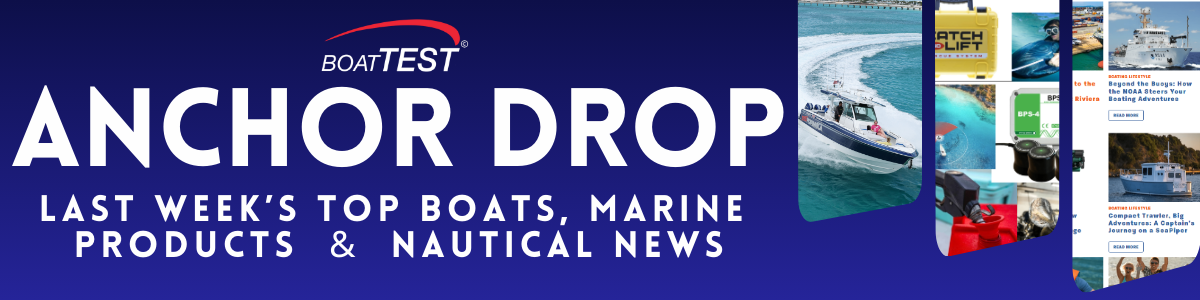
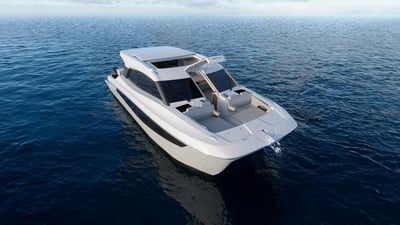
The 645 SUV represents a clever pivot in Australian design, trading the vertical climb of a flybridge for a sprawling, connected social layout. Riviera utilizes a combination of hand-laid fiberglass and vacuum-infused techniques for the hull.
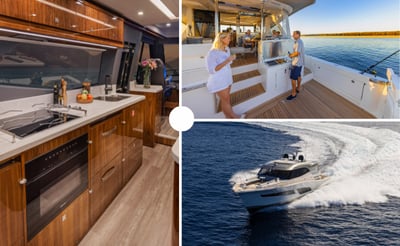
The sickening thud of a submerged object is a sound no boater ever wants to hear. When the hull takes a strike, the first sixty seconds determine whether she stays afloat or starts taking on water.
Neptunus is a boutique Canadian builder known for producing only a handful of vessels each year, ensuring a level of fit and finish that rivals larger yards. She meets the stringent CE Category A–Ocean standard, she's built to handle 13-foot waves & 40-knot winds.
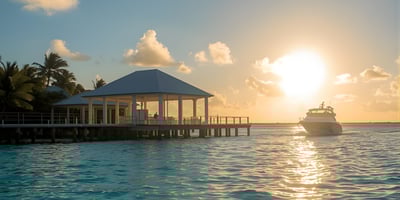
Crossing the Gulf Stream is a rite of passage, but the paperwork shuffle shouldn't be. Choosing where to clear customs can change the entire trajectory of a Bahamian run.
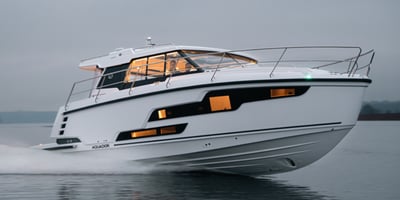
Aquador belongs to the Nimbus Group, leaning on a Finnish heritage of building for heavy northern seas. She features a deep-V hull that remains composed when the chop builds.
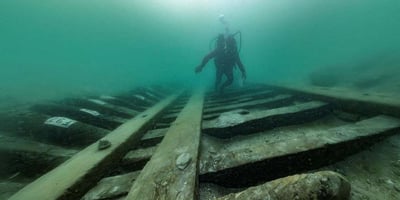
Long before modern naval architecture, Egyptian builders were moving 300-ton obelisks across the Nile without a single metal fastener. These builders used a complex system of internal tension cables and locking joints.
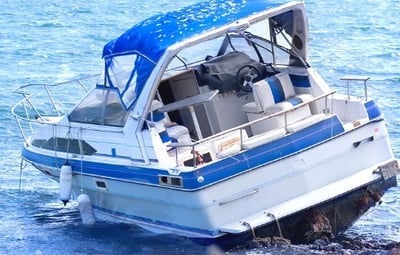
She is built by a manufacturer known for merging high-volume production with heavy-duty hull laminates. The 42 Coupe features a smart indoor-outdoor flow where the galley serves both the salon and the cockpit via a large window.
Every hull has a specific speed where she stops pushing water and starts slicing through it. Reaching that point efficiently involves a balance of RPM, prop selection, and weight distribution that many boaters overlook. Instead of guessing at the helm, these tips provide a blueprint for identifying the most economical cruise.
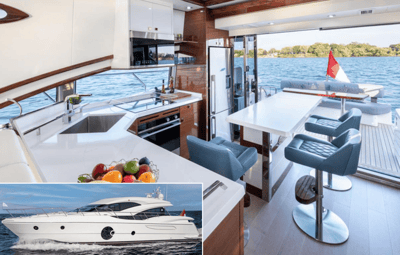
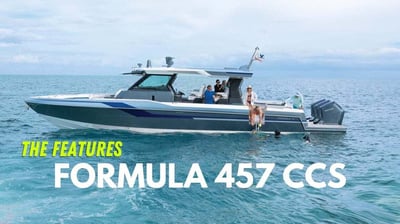
She represents a massive step up in scale for the builder, featuring a structural grid system that provides a rock-solid feel in a head sea. The 457 CCS includes an innovative aft-facing bench and a summer kitchen that slides out to serve the cockpit.
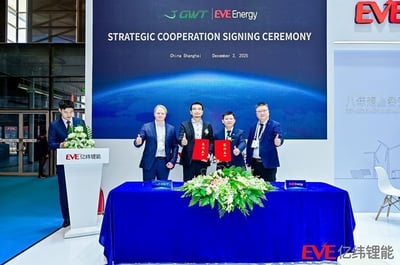
Most marine batteries are treated as consumables with a three-to-five-year countdown, but a new class-certified LFP system is pushing that timeline to a decade and a half. This tech isn't just about longevity; it's about a chemical stability that significantly lowers the risk of thermal runaway.